Understanding the Lifecycle of Trash
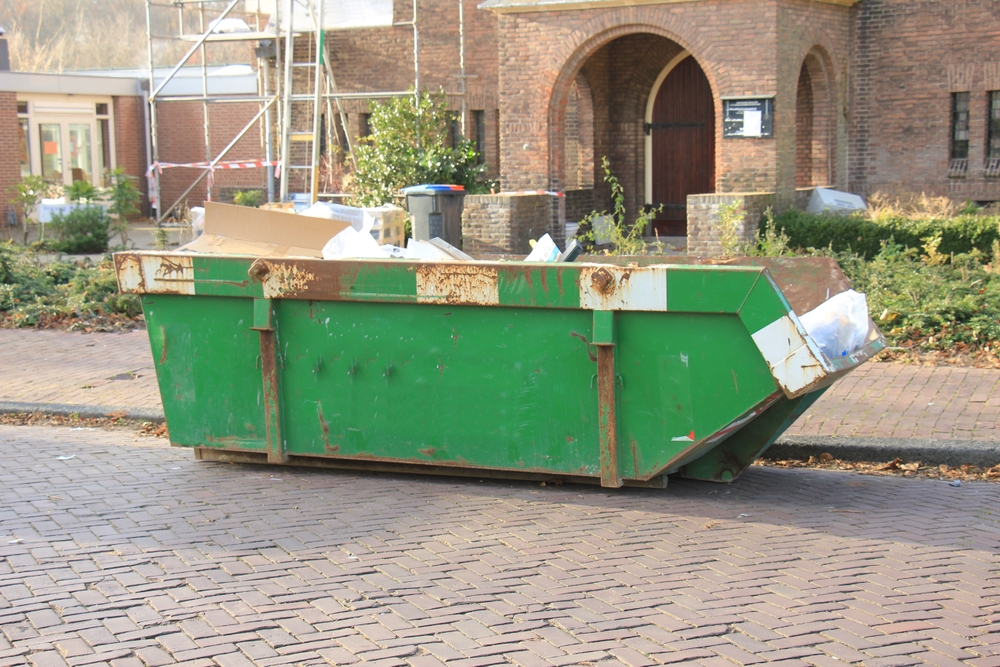
You rent a dumpster (that’s a great idea), then you fill it up with garbage (that’s what you’re supposed to do). Then, that’s all she wrote – the company picks the dumpster up and hauls the garbage off, and we never have to see it again. We understand that the trash has to go somewhere, but many of us don’t know exactly where it is going. So, with that thought in mind, we’re going to take a look at the lifecycle of trash.The lifecycle of the garbage begins at home, in your kitchen. Once the trashcan fills up, you put it outside at the curb (if you have the luxury of getting your trash picked up), or you put it in your truck and drop it off at the county dump.Okay, got it. The trash is picked up by the garbage man, but where does the garbage man take it? Normally, the garbage man takes your trash to what is referred to as a Transfer Station. A transfer station is a place where all of the local trash is dumped before it is taken to the final destination. There are numerous places where the final destination could be. The final destination for the garbage could be:A Landfill
The trash is buried and left at the landfill to decompose. This is a process that can take hundreds of years, even if the materials are biodegradable.The Incinerator
When the trash is taken to the incinerator, the garbage is burned, making it turn into ash. Sometimes, this process is used to create energy – a process that is referred to as “waste-to-energy.”Recycling Center
- In the ocean
- On the side of the road
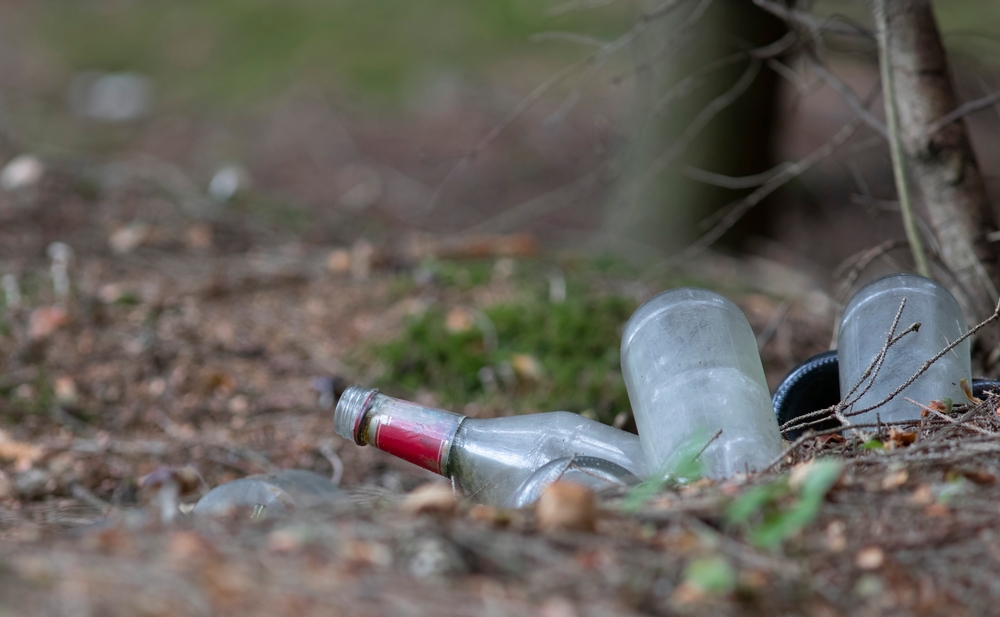
- In the forest