Key Takeaways
- Proper disposal of treated wood is essential for environmental safety.
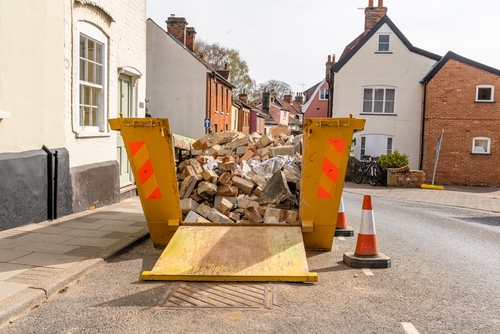
- Dumpster rental services provide a convenient disposal solution for large quantities.
- Exploring repurposing and recycling options can minimize waste.

Understanding Treated Wood
Treated wood is a common material used in various construction and outdoor applications. Your awareness of its types and chemical components is essential for its safe handling and disposal.Types of Treated Wood
Treated wood is designed to resist decay, pests, and weather-related damage. The most prevalent type is pressure-treated wood, which has been impregnated with chemical preservatives under high pressure to extend its life. This process has been widely used since 2004 and includes varieties that are specific to different environmental exposures and use-cases.Risks and Chemical Composition
The chemicals used in treated wood are potent and designed for durability, which presents certain risks. Pressure-treated wood typically involves copper as a base element, combined with other chemicals. Prior to 2004, chromated copper arsenate (CCA) was commonly used, which combined copper, arsenic, and chromium. After 2004, due to health and environmental concerns, CCA use in residential applications significantly decreased. Although modern treatments still use copper and other chemical preservatives, they often eschew arsenic and chromium.It’s crucial you handle these materials with care, as the chemicals can be hazardous if released into your environment or absorbed by your skin.Legal and Environmental Considerations
When disposing of treated wood, you must navigate a complex web of regulations and understand the environmental ramifications. Your actions should aim to comply with regulations while minimizing environmental harm.Disposal Regulations
Regulations for the disposal of treated wood vary by region, but they often hinge on whether the wood is considered hazardous waste. The Environmental Protection Agency (EPA) stipulates specific guidelines on a federal level, but you will need to consult local authorities in your area for precise instructions. For example, in California, treated wood is often regarded as hazardous due to the chemicals used in its treatment. Depending on where you are, even giving away treated wood or disposal in a regular landfill may be illegal.- Federal Regulations: Typically involve EPA oversight.
- State and Local Policies: May be more stringent. Check with local environmental health departments.
Environmental Impact
The environmental impact of improperly disposed treated wood cannot be understated. Chemicals used in wood treatment, such as creosote, can have negative effects and could leach into soil and water sources. Research from institutions like Virginia Tech University underscores the importance of preventing the leaching of toxins into the environment. Always handle treated wood disposal with care, as it can pose a threat to ecosystems if not managed correctly.- Leaching Concerns: Prevention of contaminant seepage into ecosystems.
- Responsible Practices: Adopt methods to mitigate environmental hazards.
Disposal Methods
 When disposing of treated wood, your main options include landfill disposal and seeking alternative disposal methods that may include recycling or donation. It is crucial to handle this material responsibly due to the chemicals it contains.
Landfill Disposal
Landfills are designed to safely contain substances, making them a suitable option for disposing of pressure treated wood. You should take your treated wood to a designated location at the landfill that specifically handles such materials. Some landfills may direct you to a transfer station within the facility, where the wood will be sorted and sent to an appropriate disposal area. Remember, not all landfills accept treated wood, so it’s important to confirm acceptance with your local facility.- Check with local landfills for accepted materials
- Transport treated wood to the designated location or transfer station for proper disposal
Alternative Disposal Options
In contrast to landfill disposal, you have several alternative disposal options. These include taking your treated wood to recyclers who can repurpose the material safely or offering it for free to those who can reuse it. However, because of the chemicals in treated wood, recycling options are limited. Ensure the recipient is informed about how to handle treated wood and that it is not used for inappropriate purposes, such as making children’s play equipment or garden beds.- Seek recyclers specialized in handling pressure treated wood
- List treated wood for free giveaways, ensuring recipients are aware of the wood’s treated nature
Safety and Precautions
When dealing with treated wood, it’s essential to prioritize safety due to its chemically infused nature. Proper handling techniques and protective equipment protect you from potential health risks.Handling Treated Wood
When you handle treated wood, it’s important to do so with care, especially if you’re working with items like furniture or porches. Always lift with your legs, not your back, to avoid injury. Keep the area well-ventilated to mitigate the inhalation of any sawdust or chemical residues, which may have adverse health implications.- Do:
- Use gloves to protect your skin from splinters and chemicals.
- Work in a ventilated area to reduce inhaling potentially harmful substances.
- Wash your hands thoroughly after handling.
- Don’t:
- Eat, drink, or smoke while working with treated wood to avoid ingesting any chemicals.
- Burn treated wood, as it can release toxic chemicals into the air.
Protective Equipment
For your safety, wearing the right protective equipment is non-negotiable.- Gloves: Wear durable gloves to prevent skin contact with wood preservatives.
- Goggles: Use safety goggles to shield your eyes from flying particles and dust.
- Dust mask: A properly fitting dust mask is crucial to prevent inhaling sawdust and chemical particles.
Repurposing and Recycling
 Before disposing of treated wood, consider the environmentally friendly options of repurposing and recycling. These methods can prolong the life of wood and reduce waste.
Creative Reuse
Repurposing your treated wood from projects like decks and fences can be both a creative and practical solution. Consider transforming your old deck wood into picnic tables, planters, or outdoor benches. By doing so, you maximize the material’s utility and provide a new life for the wood. Here’s how you can start:- Assess the Wood: Ensure the wood is still structurally sound for your intended project.
- Planned Project: Decide on what you will create, such as garden features or furniture.
Recycling and Upcycling
Recycling treated wood can be more challenging due to the chemicals involved, but manufacturers and special facilities may accept it for repurposing into new products. Upcycling, a form of recycling where the value of the item is increased, is an excellent option for residential uses where the wood remains visible and can add aesthetic value.- Contact Local Facilities: Reach out to see if they accept treated wood for recycling.
- Upcycling Ideas: Convert treated wood into decorative pieces or construct new utility items for your home.