Key Takeaways
- Eco-friendly disposal reduces your environmental impact.
- Roll-off dumpster rentals facilitate responsible waste sorting.
- Composting and recycling are effective for waste management.

Understanding Waste Management
In waste management, different types of waste need varied disposal methods to mitigate environmental impact. This includes distinguishing between hazardous and non-hazardous waste and using various disposal techniques that prioritize sustainability.Types of Waste
Waste comes in several forms, each requiring specific disposal methods. Municipal solid waste includes everyday items like household trash. Organic waste comprises food scraps and yard trimmings. Hazardous waste includes materials like batteries and chemicals. Construction debris covers materials such as concrete and roof shingles. By categorizing waste properly, you can apply more effective and eco-friendly disposal methods, such as recycling or composting.Current Disposal Methods
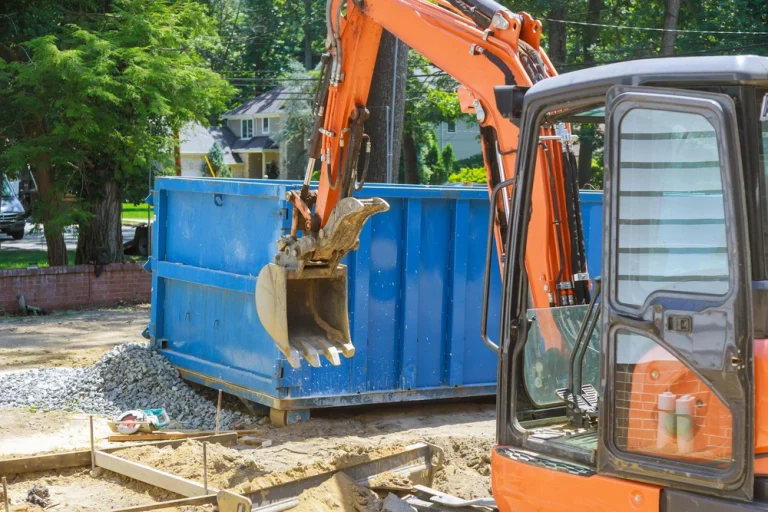
Eco-friendly disposal methods include recycling, composting, and using roll-off dumpster rentals for large projects like construction debris and household cleanouts. Roll-off dumpsters can handle materials like concrete, roof shingles, and yard waste, ensuring these items are processed in an environmentally responsible manner. Landfills are still prevalent but are increasingly being replaced by sustainable options, such as waste-to-energy facilities, to minimize environmental impact.Challenges in Waste Management
One of the main challenges is the proper classification and disposal of hazardous and non-hazardous waste. Mismanagement can lead to environmental contamination and health risks. Another issue is the limited capacity of landfills, which are rapidly filling up. Effective recycling programs face difficulties, such as contamination of recyclable materials. Educating the public and businesses about waste reduction and proper disposal methods is crucial to overcoming these challenges.The Impact of Improper Disposal
Improper disposal of waste materials such as construction debris, household trash, and yard waste can lead to severe pollution, impacting environmental health and contributing to climate change. Additionally, these practices can have significant economic and social consequences, affecting communities and public resources.Effects on Environment and Health
When waste materials like concrete, roof shingles, and household trash are not disposed of properly, they can significantly impact the environment and health. For example, plastics and chemicals from improper waste disposal can pollute water sources, harming marine life and making water unsafe for humans. This can result in widespread water pollution. Air quality can suffer from the burning of waste, releasing harmful toxins and contributing to respiratory illnesses. Yard waste and organic materials, if left to decompose improperly, produce methane gas, a potent greenhouse gas that exacerbates climate change. Construction debris inappropriately discarded can disrupt natural habitats and contribute to soil contamination. Eco-friendly disposal options, such as using a roll-off dumpster rental, ensure these materials are handled responsibly. This method helps reduce water pollution and improves air quality by preventing the release of harmful substances.Economic and Social Consequences
Improper disposal of waste materials has substantial economic and social costs. Municipalities often bear the burden of cleaning up illegally dumped waste, diverting funds away from other public services. These costs can accumulate, impacting community resources and escalating taxes. Socially, improper waste disposal can degrade living conditions. In areas with significant waste management issues, residents might face increased health risks. This can strain local healthcare systems and reduce the quality of life. By opting for eco-friendly methods, such as using a roll-off dumpster rental for disposing of construction debris, household trash, and other waste types, communities can minimize these negative impacts. This approach supports sustainable waste management, preserves public funds, and enhances the overall well-being of the population.Eco-Friendly Disposal Methods
 Eco-friendly disposal methods include composting organic waste, recycling and upcycling materials, and safely disposing of hazardous waste. Advanced waste treatment technologies play a crucial role in managing waste sustainably.
Composting and Organic Recycling
Composting transforms organic waste into nutrient-rich compost, useful for gardens and farms. Materials like yard waste, food scraps, and paper can be composted. Utilize a compost bin or pile to start the process. Ensure proper aeration and moisture levels for efficient decomposition. Organic recycling also includes mulching yard waste, which helps reduce landfill accumulation and fertilizes soil. Benefits:- Reduces landfill use
- Produces natural fertilizer
- Decreases greenhouse gas emissions
Recycling and Upcycling
Recycling involves processing waste to create new products. Materials such as plastic, glass, paper, and metals are recyclable. For construction debris and concrete, a local dumpster rental can help manage large volumes. After collection, these materials can be broken down and reused in new construction projects. Upcycling transforms waste into new items with higher value, like turning old clothes into bags. Key Points:- Conserves natural resources
- Reduces energy consumption
- Limits landfill waste
Hazardous Waste Disposal
Hazardous waste, including certain electronics, batteries, and chemicals, requires special handling to prevent environmental contamination. Drop off hazardous waste at designated facilities where it’s processed safely. Used oil, paint, and fluorescent bulbs should never be disposed of in regular trash. Some communities offer collection days for hazardous materials, aiding in proper disposal. Important Tips:- Identify hazardous items correctly
- Use local disposal facilities
- Follow regulations for safe handling
Advanced Waste Treatment Technologies
Advanced technologies enhance waste disposal efficiency and reduce environmental impact. Techniques like anaerobic digestion convert biodegradable materials into biogas for energy. Waste-to-energy plants burn non-recyclable trash to generate electricity. These methods manage waste sustainably while providing renewable energy sources. Plasma arc gasification, another advanced method, breaks down waste at high temperatures, producing syngas and reducing landfill dependency. Advantages:- Generates renewable energy
- Minimizes landfill usage
- Supports sustainable waste management
Reducing the Carbon Footprint through Waste Management
Reducing the carbon footprint requires targeted strategies in waste management, sustainable business practices, and conscious consumer choices. These areas significantly influence the effectiveness of managing and minimizing greenhouse gas emissions.Waste Reduction Strategies
Implementing effective waste reduction strategies is crucial in minimizing the carbon footprint. Start by adopting the reduce, reuse, and recycle approach. Reducing waste involves choosing minimal packaging options and avoiding single-use items. For example, in construction, materials like concrete and roof shingles can be reused in future projects, significantly cutting down on waste. Using a roll-off dumpster rental can efficiently handle various materials such as construction debris, household trash, and yard waste. These dumpsters are highly useful for segregating recyclables from non-recyclables, ensuring that more waste is repurposed or recycled rather than ending up in landfills.Sustainable Business Practices
Businesses play a pivotal role in reducing their carbon footprint through sustainable practices. Emphasizing the use of renewable energy sources and green technology can dramatically lower energy consumption and emissions. For instance, production firms can adopt methods to minimize waste and implement green practices that reduce both energy usage and waste disposal expenses. Encouraging the use of reusable containers and bags within the business environment can also contribute to waste reduction. Companies can adopt recycling programs for materials like office paper, cardboard, and plastic, further diverting waste from landfills and reducing overall emissions.Consumer Choices and Behaviors
Your choices as a consumer significantly affect waste generation and the carbon footprint. Opt for products with minimal packaging and invest in reusable items like bags and containers. Reducing household trash starts with mindful purchasing decisions—favor goods that are durable and have recyclable or compostable packaging. Using services such as roll-off dumpster rentals for large clean-up projects ensures proper disposal of waste materials like yard waste, household trash, and more. These services can help sort and recycle various types of waste, ensuring eco-friendly disposal and contributing to a more sustainable future.Innovations and Future of Eco-Friendly Disposal
 Advancements in eco-friendly disposal are transforming traditional waste management into sustainable and efficient processes. Emerging practices focus on a circular economy, harnessing renewable energy from waste, and fostering global collaboration through supportive policies.