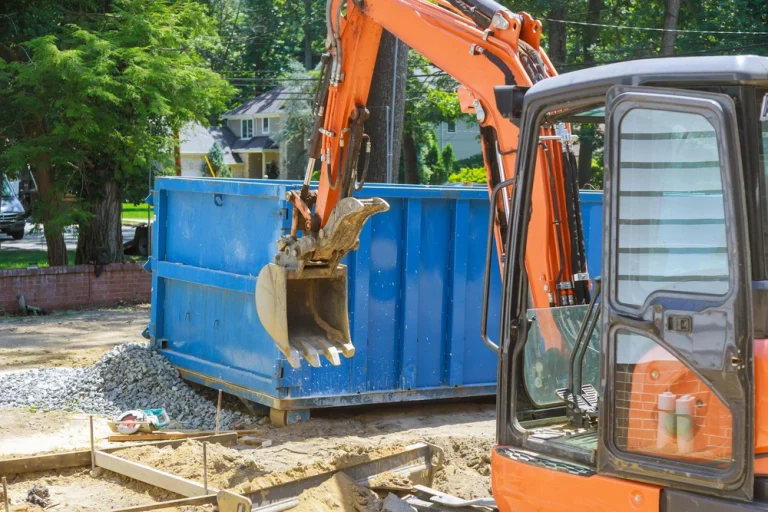
Key Takeaways
- Large capacity dumpsters offer ample space for disposing of construction and renovation debris
- Choosing the right dumpster size is crucial for efficient waste management on job sites
- Proper waste disposal practices help maintain a clean and organized work environment

Understanding Dumpster Types and Sizes
Selecting the right dumpster type and size is crucial for efficient waste management on construction sites. The choice impacts project costs, logistics, and environmental compliance.Roll-Off Dumpsters for Construction Sites
Roll-off dumpsters are the most common choice for construction projects. They come in various sizes, typically ranging from 10 to 40 cubic yards. The 10-yard option suits small renovations, while 40-yard containers are ideal for large-scale demolitions.These open-top containers allow easy loading of bulky materials. You can fill them with concrete, wood, metal, and other construction debris. Roll-off dumpsters have a door that opens for walk-in access, making it easier to load heavy items.When choosing a size, consider your project scope and available space. A 20-yard dumpster often strikes a balance for medium-sized projects. Always estimate your waste volume to avoid overloading or underutilizing the container.Front Load and Rear Load Dumpsters
Front load and rear load dumpsters are primarily used for regular commercial waste collection. Front load dumpsters are typically smaller, ranging from 2 to 8 cubic yards. They’re ideal for businesses with consistent waste output.Rear load dumpsters are slightly larger, often between 2 and 6 cubic yards. These are commonly used in areas with limited space or where a front-loading truck can’t access easily.Both types have lids to contain odors and prevent unauthorized dumping. They’re emptied frequently, making them unsuitable for most construction projects. However, you might use them for office waste on long-term construction sites.Compactor Dumpsters for Efficient Waste Management
Compactor dumpsters are specialized units that compress waste to maximize capacity. They’re particularly useful for high-volume waste producers or sites with limited space for multiple containers.These units can handle up to six times more waste than standard dumpsters of the same size. Compactors are available in various configurations, including stationary and self-contained models.While compactors are more expensive initially, they can reduce collection frequency and overall waste management costs. They’re ideal for materials like cardboard, paper, and certain plastics. However, they’re not suitable for heavy construction debris or hazardous materials.Rental Process and Choosing the Right Dumpster
 The rental process for large capacity dumpsters involves careful consideration of project needs and efficient planning. Selecting the appropriate size and rental period can significantly impact operational efficiency and cost-effectiveness.
Selecting the Appropriate Dumpster Size
Choosing the right dumpster size is crucial for your project’s success. 30-yard dumpsters are ideal for extensive commercial construction or demolition projects. They can handle about 9 pickup truck loads or 180-200 13-gallon trash bags.For smaller projects, 20-yard dumpsters might suffice. These are suitable for medium-sized remodeling jobs or cleanouts. 15-yard dumpsters work well for minor renovations or small-scale debris removal.Consider the type and volume of waste you’ll generate. Overestimating is better than underestimating, as overfilled dumpsters can lead to additional fees or safety hazards.Rental Periods and Operational Efficiency
Rental periods vary based on project duration and waste generation rate. Short-term rentals are perfect for quick cleanups or single-day events. Longer-term rentals suit ongoing construction projects.Next day delivery of dumpsters can be crucial for unexpected waste management needs or tight project timelines. They help maintain a clean work area and keep your project on schedule.To maximize operational efficiency:- Plan waste disposal in advance
- Schedule timely pickups and replacements
- Ensure easy access for delivery and removal
- Follow weight limits to avoid overloading
Materials and Waste Types Allowed
Large capacity dumpsters can accommodate a wide variety of construction materials and waste types. Understanding what can be disposed of helps contractors manage their projects more efficiently and comply with regulations.Dealing with Heavy Materials: Concrete and Asphalt
Heavy materials like concrete and asphalt require special consideration when disposing of them in large capacity dumpsters. You can typically dispose of concrete chunks, broken asphalt, and other dense materials in these containers. However, it’s crucial to be mindful of weight limits.To maximize space:- Break larger pieces into smaller chunks
- Distribute weight evenly throughout the dumpster
- Mix heavy items with lighter debris when possible
Construction Debris: Drywall, Wood, and Metal
Construction debris like drywall, wood, and metal are common in large-scale projects. These materials are generally accepted in construction dumpsters. You can dispose of:- Drywall and plaster
- Lumber and wood scraps
- Scrap metal and siding
- Roofing materials
Waste Management Practices for Contractors
 Effective waste management is crucial for contractors to maintain efficient, compliant, and environmentally responsible operations. Implementing smart strategies can reduce costs, improve site safety, and minimize environmental impact.
Efficient Waste Collection and Disposal
Proper waste collection starts with strategic placement of large dumpsters on your construction site. Position containers near high-traffic areas and work zones to encourage proper disposal. Use clear signage to indicate which materials go in each dumpster.Implement a regular schedule for waste removal to prevent overflow and maintain a clean work environment. Coordinate with your dumpster rental provider for timely pickups based on your project’s waste generation rate.Consider using compactors for high-volume waste streams to maximize container space and reduce transportation frequency. This can lead to significant cost savings and fewer disruptions to your work schedule.Recycling Practices and Environmental Impact
Establish a robust recycling program to divert materials from landfills. Set up separate containers for common recyclables like:- Metal
- Wood
- Concrete
- Cardboard
- Plastic
Maintaining a Waste Management Strategy
Develop a comprehensive waste management plan tailored to your project’s specific needs. Start by conducting a waste audit to identify major waste streams and opportunities for reduction or recycling.Assign a waste management coordinator to oversee implementation and monitor progress. This person should be responsible for:- Training staff on proper waste handling
- Coordinating with recycling and disposal partners
- Tracking waste diversion rates
- Identifying areas for improvement