Key Takeaways
- Renting a dumpster is critical for managing large move-outs efficiently.
- Clear tenant communication reduces unnecessary waste.
- Proactive inspection aids in streamlined property turnover.

Understanding the Move-Out Process
Ensuring a seamless move-out process for tenants can prevent misunderstandings and disputes. Key aspects include having a thorough move-out checklist, conducting a properly scheduled inspection, and adhering to legal timelines.The Importance of a Move-Out Checklist
A move-out checklist is essential for both landlords and tenants. It ensures that all necessary steps are covered, from returning keys to checking the property’s condition. This document provides a clear overview of expectations, helping tenants understand their responsibilities. Include items such as cleaning tasks, repair responsibilities, and any specific move-out procedures. By having a detailed tenant move-out checklist, you minimize conflicts and provide clarity. This transparency fosters a smoother transition and supports the retention of a positive relationship with tenants.Scheduling the Move-Out Inspection
Scheduling the move-out inspection is crucial to assess the property’s condition. This inspection should occur after tenants have vacated the premises but before new tenants move in. Proper coordination avoids overlaps and allows you to thoroughly evaluate the space. During this move-out inspection, focus on checking for damage beyond normal wear and tear. Document everything with photos and written notes. Having evidence can help resolve disputes about any deductions from the security deposit. Clear and prompt communication with tenants about the inspection date ensures mutual understanding.Legal Timelines and Notice Requirements
Understanding the timelines and notice requirements in your locality is vital. Tenants usually need to provide an intent to vacate notice, often 30 days in advance, as stipulated in the lease agreement. Landlords must check these legal obligations to ensure compliance. Failure to adhere to these deadlines can lead to legal complications or delays in securing new tenants. It’s also important to send a formal acknowledgment of the received notice. This keeps all parties informed and reduces any potential misunderstandings regarding the move-out date. Clear guidelines protect both landlord and tenant interests, allowing a process that complies with regulations.Security Deposit Management
Managing security deposits effectively is crucial for landlords. It’s important to understand the legal grounds for deductions, ensure proper procedures for returning deposits, and know how to handle disputes professionally.Legal Grounds for Security Deposit Deductions
Security deposit deductions must be carefully managed to comply with legal standards. You need to differentiate between normal wear and tear and damages that are deductibles. Different states have specific laws, which dictate allowable subtractions such as unpaid rent, repairs for damage beyond normal wear, and cleaning costs. Ensure you have strong documentation—photographs and receipts can support your claims. Clearly outline potential deductions in the lease agreement. This transparency can help avoid misunderstandings and conflicts with tenants. Some regional laws might also necessitate itemized lists for deductions, so familiarize yourself with the landlord-tenant laws in your state.Procedures for Refunding the Deposit
Refunding the security deposit on time is both a legal requirement and an ethical obligation. Most state laws require that you return the deposit within a given timeframe, typically between 14 to 30 days after the tenant moves out. Before returning the deposit, conduct a thorough inspection to assess any damages. Prepare an itemized statement for deductions, if any, and ensure receipts are available. Maintain clear communication with the tenant throughout the process, providing updates on the deposit’s status. This practice can build trust and reduce potential conflicts.Handling Disputes over Deductions
Disputes over security deposit deductions can arise and knowing how to address them is vital. Begin by ensuring your documentation thoroughly supports the claimed deductions. Maintaining an open line of communication can often resolve disputes efficiently. Encourage tenants to express their concerns and provide clarifications wherever needed. If disputes escalate, consider mediation as a neutral ground for resolution. Should the disagreement lead to legal proceedings, like small claims court, ensure you have all necessary documents organized and ready to present. Understanding state laws and adhering to legal standards can safeguard you during disputes and help maintain professional landlord-tenant relationships.Repair and Maintenance Responsibilities
 Understanding repair and maintenance responsibilities ensures smooth transitions between tenants. Key considerations include identifying the difference between normal wear and tear versus damages and managing repairs efficiently before the next tenant arrives.
Differentiating Between Wear and Tear and Damages
It’s essential to differentiate between normal wear and tear and property damages when assessing a rental property. Wear and tear usually involves minor issues that occur over time, such as faded paint or small carpet stains. These are natural results of a tenant living in the property. Damages, on the other hand, are beyond normal wear and tear and may include broken fixtures, holes in walls, or significant carpet stains. Establishing clear, documented criteria through an inspection checklist at the beginning and end of each tenancy can help determine what repairs are necessary. This ensures the property condition matches expectations and responsibilities for repairs are clearly laid out.Coordinating Repairs Prior to the Next Tenancy
Before a new tenant moves in, coordinating necessary repairs is crucial for maintaining the property’s condition. Start by using the inspection checklist to identify and prioritize repairs needed. Address damages first, as these can impact the habitability and desirability of the rental unit. Coordinate with repair professionals to schedule work efficiently and avoid delays that could disrupt the move-in process for the new tenant. Include routine tasks such as repainting, repairing minor wear and tear, and checking for any hidden issues like leaks or mold. This proactive approach ensures the property is in top shape, facilitating a positive experience for incoming tenants.Effective Communication with Tenants
Communicating clearly with tenants during the move-out process is essential for avoiding misunderstandings and ensuring a smooth transition. By providing all necessary information and setting expectations upfront, you create a positive and cooperative environment.Using Clear Communication for Smooth Transitions
To facilitate a smooth tenant move-out, make communication clear and straightforward. Begin by issuing a detailed move-out letter. This letter should outline key dates, responsibilities, and expectations, such as property cleaning standards and inspection schedules. Ensure the letter is concise and easy to understand, helping tenants reduce any potential confusion. Emphasize the importance of providing a forwarding address. This is critical for sending security deposit returns and any important documents. Open channels for questions by inviting tenants to reach out with any concerns or clarifications needed. Keeping these communication paths open helps to minimize last-minute conflicts and promotes a cooperative move-out experience.Providing Tenants with Necessary Move-Out Information
Equip tenants with all necessary information well in advance of the move-out date. This includes a checklist of tasks that need to be completed before vacating the property, such as cleaning specifics and item removal. By sharing this early, tenants have ample time to prepare and meet expectations. Include details about lease agreements and any obligations related to rent collection. Transparency in these areas prevents any disputes regarding outstanding dues. Inform tenants about the procedures for returning keys and the process for final inspections. Such clarity ensures that all parties are aligned and can focus on a seamless transition during this crucial phase.Renting a Dumpster for Move-Outs
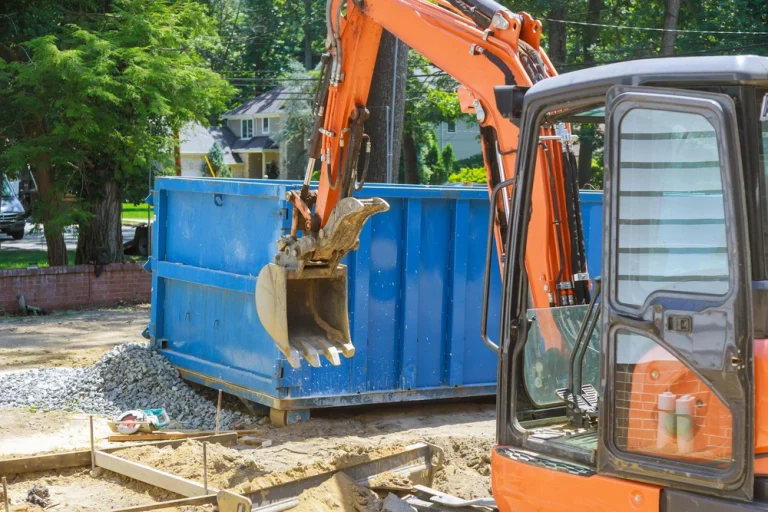
 Renting a dumpster during a tenant move-out can streamline the clean-out process. This is especially true for removing bulky items or leftover debris quickly and efficiently, reducing stress for property owners.
Assessing the Need for Large-Scale Waste Removal
When tenants vacate a rental property, they may leave behind a significant amount of waste. Items like old furniture, appliances, and general debris are often abandoned. Assess the volume of abandoned property to determine if large-scale waste removal is necessary. Consider the size of the rental property and the amount of refuse left behind. Smaller properties might only require a small dumpster, while larger estates may need multiple units or a larger size. Evaluate the potential costs and benefits of renting a dumpster versus hiring cleaning services. For landlords with several units, a dumpster provides a cost-effective solution compared to repeated garbage pickups. Make sure to plan accurately by taking stock of the types of materials needing disposal and checking local regulations, as certain items may have specific disposal requirements.Organizing a Dumpster Rental for Efficient Clean-Out
Once you’ve determined the need for a dumpster, organizing the rental is crucial for an efficient move-out process. Select the right dumpster size by estimating the total volume of waste. Coordinate with a waste removal company to secure a suitable rental period, often ranging from a few days to a week, allowing ample time for cleanup. Arrange the delivery of the dumpster so that it coincides with the tenant move-out date. Position the dumpster strategically on the property to allow easy access for disposing of waste. Encourage tenants or cleaning services to sort materials, recycling where possible to reduce the overall waste footprint. By planning the logistics of your dumpster rental, you ensure a smooth and efficient property clean-out process.Preparing for the Next Tenant
To ensure a seamless transition for your next tenant, focus on preparing the property for occupancy and conducting a thorough move-in inspection. This helps create a positive experience for new tenants while safeguarding your investment.Ensuring Property Is Ready for Occupancy
Begin by addressing repairs and maintenance tasks. Check for any damage left by the previous tenant and fix it promptly. This could include repainting walls, repairing fixtures, or replacing damaged flooring. Ensure all utilities are in working order. Verify that water, electricity, and gas supply are operational. Have a professional service the HVAC system to prevent any future issues. Conduct a deep cleaning of the property. This involves cleaning carpets, sanitizing bathrooms, and ensuring the kitchen is spotless. A clean environment makes a positive first impression on new tenants. Checklist for Readiness:- Repair structural damages
- Check and service utilities
- Perform deep cleaning
Conducting a Move-In Inspection
Schedule a move-in inspection to document the property’s condition before the new tenant arrives. Use tools like RentCheck for thoroughness. Create a detailed inspection checklist. Include items such as walls, flooring, appliances, plumbing, and electrical systems. Document everything with photos or videos to have a clear record. During the inspection, encourage the new tenant to join. This fosters transparency and ensures everyone agrees on the property’s condition. Having the tenant sign the inspection report can mitigate disputes later. Key Inspection Points:- Walls and flooring
- Appliances and plumbing
- Electrical systems