Key Takeaways
- Strategic dumpster rental practices can lead to significant cost savings and improved project efficiency
- Proper planning and site management are essential for maximizing the benefits of dumpster rentals
- Understanding rental terms, local regulations, and waste sorting practices is crucial for optimizing dumpster usage

Understanding Dumpster Rental Basics
Dumpster rentals are essential for efficient waste management on construction sites. Selecting the right size and type of dumpster, along with proper loading techniques, can significantly impact your project’s timeline and budget.Choosing the Right Dumpster Size
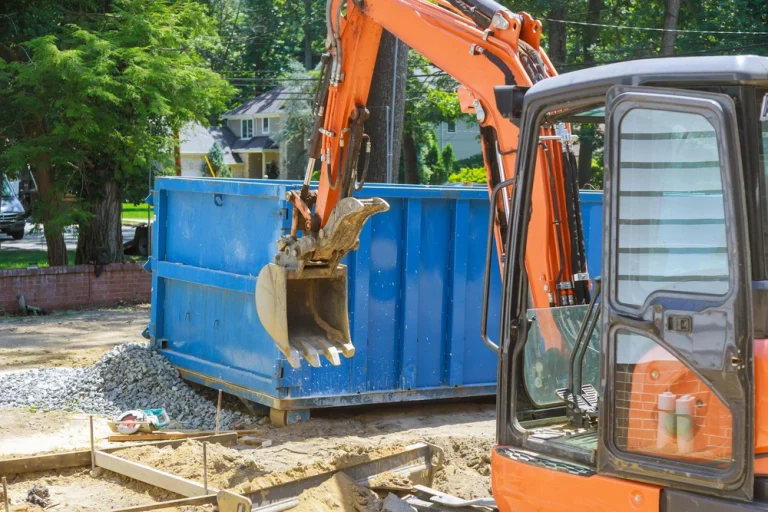
When renting a dumpster, size matters. 10-yard dumpsters are suitable for small renovations or cleanouts. They typically hold about three pickup truck loads of debris.20-yard dumpsters are versatile options for medium-sized projects. These can accommodate waste from larger home renovations or small construction jobs.For major construction or demolition projects, 40-yard dumpsters are ideal. They can hold up to 12 pickup truck loads of debris, making them perfect for large-scale waste removal.To choose the right size, estimate your waste volume and consider the types of materials you’ll dispose of. Selecting the appropriate dumpster size prevents overage fees and multiple hauls.Types of Dumpster Rentals
Roll-off dumpsters are the most common type for construction projects. They feature an open-top design for easy loading and are delivered on trucks that roll them off onto your site.Residential dumpsters are smaller and designed for home use. These are perfect for cleanouts, small renovations, or landscaping projects.Commercial dumpsters are larger and meant for ongoing use at businesses. They’re typically emptied on a regular schedule.Each type serves different purposes, so consider your project’s nature and duration when selecting. The right choice ensures efficient waste management throughout your project.Importance of Efficient Loading
Efficient loading maximizes the use of your rented dumpster space. Start by placing large, flat items at the bottom to create a stable base.Break down bulky items when possible to save space. Fill gaps with smaller debris to utilize all available room.Distribute weight evenly throughout the dumpster to prevent tipping during transport. Don’t overload the dumpster past the fill line, as this can lead to additional fees or safety hazards.Proper loading techniques can help you avoid renting additional dumpsters, saving both time and money on your project. Efficient loading also ensures compliance with weight restrictions and safety regulations.Optimizing Your Construction Site Workflow
Efficient workflow management is crucial for maximizing productivity on construction sites. Proper organization and strategic scheduling can significantly reduce waste and improve overall project efficiency.Site Organization and Dumpster Placement
Strategic dumpster placement is key to maintaining a clean and efficient construction site. Position construction dumpsters near high-traffic areas where debris accumulates most. This minimizes the distance workers need to travel for disposal, saving time and energy.Consider creating designated waste sorting stations near each dumpster. Label these areas clearly for different types of construction debris. This system promotes proper waste segregation, making recycling and disposal more efficient.Use temporary fencing or barriers to create clear pathways around dumpsters. This ensures easy access for both workers and waste removal trucks. Keep these areas well-lit and free of obstacles to prevent accidents and delays during disposal.Scheduling and Timely Dumpster Swap-Outs
Proper scheduling of dumpster swap-outs is essential to maintain a smooth workflow on your construction site. Monitor fill levels closely and arrange for replacements before dumpsters reach capacity. This proactive approach prevents work stoppages due to overflowing containers.Coordinate dumpster exchanges during off-peak hours or scheduled breaks to minimize disruptions to ongoing work. Communicate the swap-out schedule clearly to all team members, ensuring everyone knows when to expect dumpster unavailability.Consider implementing a waste management solution that includes regular pickups. This consistent approach helps maintain a clean site and reduces the need for last-minute rush orders. For large projects, multiple dumpsters with staggered pickup schedules can provide continuous waste disposal options.Regulations and Environmental Considerations
 Proper waste management in construction projects involves adhering to regulations and implementing eco-friendly practices. You must prioritize compliance and sustainable disposal methods to minimize environmental impact and avoid penalties.
Proper Disposal of Waste
Construction dumpster standards are crucial for maintaining a safe and compliant worksite. You need to familiarize yourself with local waste disposal regulations to ensure proper handling of debris. This includes:- Obtaining necessary permits for dumpster placement
- Separating recyclable materials from general waste
- Adhering to weight limits and fill levels
Handling Hazardous Materials
Proper management of hazardous materials is critical for environmental protection and worker safety. You must:- Identify and segregate hazardous waste from general debris
- Use appropriate containers for storage and disposal
- Label hazardous materials clearly and accurately
- Train your team on proper handling procedures
Recycling and Environmentally Responsible Practices
Implementing eco-friendly practices in your construction project can significantly reduce its environmental footprint. Consider these strategies:- Implement a comprehensive recycling program
- Use recycled or salvaged materials when possible
- Donate usable materials to local charities or recycling centers
Financial Aspects of Dumpster Rentals
Managing dumpster rental costs effectively can significantly impact a contractor’s budget. Understanding pricing structures and implementing smart strategies can lead to substantial savings.Understanding Pricing and Avoiding Additional Fees
Dumpster rental pricing varies based on several factors. Size, rental duration, location, and waste type all influence the final cost. For large-scale projects, weekly rates typically range from $300 to $1000 per dumpster.Be aware of potential additional fees:- Overweight charges
- Extended rental periods
- Prohibited items disposal
- Weight limits
- Included rental duration
- List of prohibited materials
Maximizing Cost Savings
Implement these strategies to reduce your dumpster rental expenses:- Opt for shorter rental durations when possible
- Accurately estimate your waste volume to choose the right size
- Sort materials to avoid mixing recyclables with general waste
Leveraging Customer Service for Your Projects
 Effective customer service can significantly enhance your contracting projects. When renting dumpsters, excellent communication with the rental company is key.Start by clearly explaining your project needs to ensure you get the right size commercial dumpster rental. This helps avoid costly mistakes and delays.Consider these benefits of strong customer service relationships:
- Faster problem resolution
- Better scheduling flexibility
- Access to expert advice
- Potential for discounts on repeat rentals