Key Takeaways
- Professional planning and proper waste management are essential for successful reconstruction projects
- Clear communication with contractors and proper documentation help prevent costly delays
- Regular inspections and quality control throughout the process ensure optimal results

Preparing for Reconstruction
Successful reconstruction starts with thorough planning, proper budgeting, and choosing qualified professionals. Protecting your possessions and setting up temporary living arrangements will minimize disruption during the work.Establishing a Renovation Plan
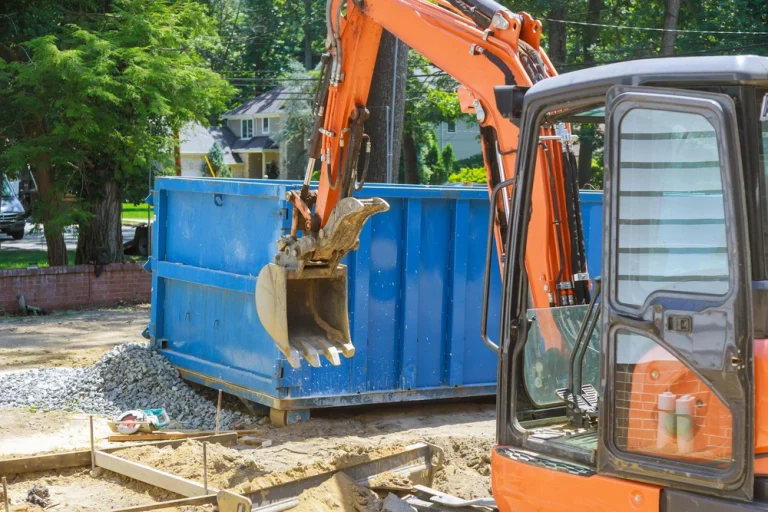
Start by documenting every aspect of your desired renovation. Create a detailed timeline with clear milestones and completion dates for each phase of work. Consider renting a construction dumpster to manage debris removal efficiently throughout the project. Make a list of must-have features versus nice-to-have elements. This helps prioritize work when unexpected issues arise. Document existing conditions with photos and measurements. These will help contractors provide accurate quotes and serve as reference points during reconstruction.Budgeting and Funding
Calculate material costs, labor expenses, and permit fees. Add 20% contingency for unexpected issues. Research financing options:- Home equity loans
- Construction loans
- Personal savings
- Home improvement credit cards
Finding a Good Contractor
Research potential contractors thoroughly. Check their licenses, insurance coverage, and past project references. Request detailed written proposals that outline:- Project scope
- Timeline
- Payment schedule
- Material specifications
- Contractor dumpster rental arrangements
Legal and Consent Requirements
Check local building codes and zoning requirements before starting any work. Some renovations require special permits or variances.- Contact your homeowner’s insurance provider to understand coverage during reconstruction.
- Obtain necessary permits and inspections. Keep copies of all documentation in a dedicated project folder.
- If you’re in a homeowner’s association, review bylaws and obtain required approvals before work begins.
- Ensure your contractor pulls all required permits and schedules necessary inspections throughout the project.
Design and Construction Phases
Successful home reconstruction requires careful planning, precise execution, and adherence to safety protocols at every stage. Each phase builds upon the previous one to create a cohesive and efficient workflow.Creating Design Blueprints
Detailed architectural plans form the foundation of your reconstruction project. Your blueprints must include precise measurements, structural specifications, and utility layouts. Professional architects will create multiple drawings showing different views and cross-sections of the planned reconstruction. These include floor plans, elevation drawings, and detailed structural diagrams. Consider these key elements in your blueprints:- Room dimensions and layout
- Electrical wiring routes
- Plumbing system design
- HVAC integration points
- Load-bearing wall locations
Materials Selection
Quality materials directly impact project durability and cost-effectiveness. Your construction budget planning should account for both essential structural materials and finishing elements. Start by securing a construction dumpster rental for debris management during demolition phases. Essential Materials Checklist:- Lumber and structural steel
- Concrete and masonry supplies
- Roofing materials
- Insulation
- Drywall and finishing materials
Actual Construction Work
Begin with site preparation and ensure you have a contractor dumpster rental in place for ongoing waste management. Establish a clear timeline for each construction phase. Break down the work into manageable stages:- Demolition and site clearing
- Foundation repairs or reinforcement
- Structural modifications
- Utility updates
- Interior finishing work
Safety and Equipment
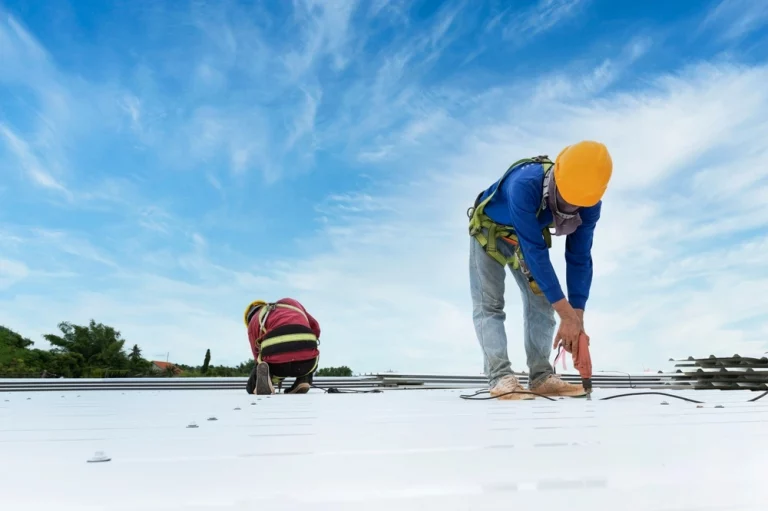
Personal protective equipment (PPE) must be available and properly maintained at all times. Ensure all workers have access to necessary safety gear. Required Safety Equipment:- Hard hats
- Safety glasses
- Steel-toed boots
- High-visibility vests
- Respiratory protection
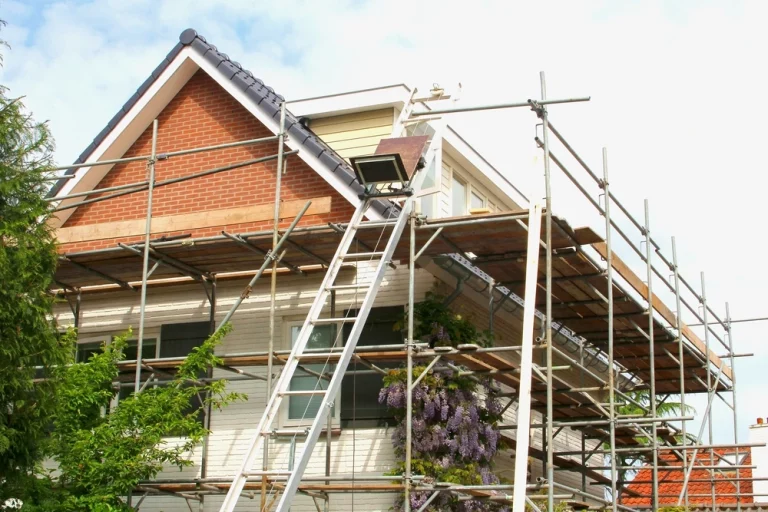
- Scaffolding and ladders
- Power tools and hand tools
- Material handling equipment
- Fall protection systems
Technical Details of Reconstruction
 Successful reconstruction projects require careful attention to core building systems and structural elements, with each component needing precise planning and implementation to meet modern building codes and safety standards.
Plumbing System Overhaul
Your plumbing system renovation needs to start with a comprehensive assessment of existing pipes and fixtures. Replace old galvanized pipes with copper or PEX piping to prevent future corrosion issues. Install water-efficient fixtures like low-flow toilets and dual-function showerheads to reduce water consumption. Consider adding a tankless water heater for improved energy efficiency. A thorough inspection process must include pressure testing of all new connections. You’ll need a construction dumpster rental to dispose of old pipes and fixtures properly.Electrical System Upgrade
Update your electrical panel to accommodate modern power demands. A 200-amp service is standard for most homes today. Install GFCI outlets in bathrooms, kitchens, and outdoor areas. Replace outdated aluminum wiring with copper wiring throughout the structure. Add dedicated circuits for major appliances and plan for future technological needs. Smart home wiring systems can integrate lighting, security, and climate controls. Consider whole-house surge protection and emergency backup systems. Label all circuits clearly in the new panel for easy maintenance.Insulation and Ventilation
Select appropriate R-value insulation based on your climate zone. Spray foam insulation offers superior air sealing compared to traditional fiberglass batts. Install proper vapor barriers to prevent moisture accumulation. Ensure adequate ventilation in attics and crawl spaces to prevent mold growth. Add ridge vents and soffit vents to maintain proper airflow. Modern ventilation systems can include heat recovery ventilators (HRV) or energy recovery ventilators (ERV).Structural Changes
Begin with a detailed structural engineering assessment. Reinforce load-bearing walls and foundations as needed. Remove non-load-bearing walls to create open floor plans while installing appropriate beams for support. Your contractor dumpster rental should be positioned strategically for efficient debris removal. Foundation repairs may require steel piers or carbon fiber reinforcement. Seal all cracks and address any water infiltration issues. Add steel support columns in basements when removing walls. Consider seismic retrofitting in earthquake-prone areas. New floor joists and subfloors must meet current load requirements. Use engineered lumber products for improved stability and longevity.Interior and Exterior Finishing
Proper finishing transforms a construction project from basic structure to refined living space. Quality finishes protect surfaces while adding beauty and functionality to your home.Flooring and Tiling
When selecting flooring materials, durability and maintenance requirements should guide your choices. Hardwood offers timeless appeal and can be refinished multiple times, while luxury vinyl provides water resistance and easy upkeep. Ceramic tile works best in bathrooms and kitchens due to its water resistance. Consider large-format tiles to minimize grout lines and create a sleek appearance. During installation, proper subfloor preparation is crucial. Ensure the surface is level and free from debris. A construction dumpster rental helps maintain a clean work area during floor removal and installation.Painting and Aesthetic Touches
Select high-quality paints that match your home’s style and provide good coverage. Semi-gloss finishes work well in high-moisture areas, while eggshell creates an elegant look in living spaces. Wall texturing adds depth and can hide minor imperfections. Choose between options like orange peel, knockdown, or smooth finish based on your desired aesthetic. Trim work including baseboards, crown molding, and chair rails creates visual interest. Consider wider baseboards for a more upscale appearance.Doors and Windows Installation
Energy-efficient windows and doors reduce utility costs while updating your home’s appearance. Double-pane windows with low-E coating offer optimal insulation. Pre-hung doors simplify installation and ensure proper operation. Consider solid core doors for better sound isolation between rooms. Proper installation requires precise measurements and careful leveling. A contractor dumpster rental provides convenient disposal for old windows and packaging materials. Weather stripping and proper sealing around frames prevents drafts and moisture infiltration. Install metal drip caps above exterior doors and windows for added protection.Post-Reconstruction Considerations
 After completing major reconstruction work, careful planning of the transition period ensures a smooth return to normal life. Proper inspection, temporary living solutions, and organized move-back processes are essential steps in finalizing your project.
Temporary Living Arrangements
You’ll need suitable accommodations while reconstruction is completed. Consider renting a nearby furnished apartment or extended-stay hotel that provides easy access to monitor construction progress. Keep essential items accessible and store remaining belongings in a secure facility. Construction dumpster rentals should be maintained during this phase for ongoing debris removal. Create a detailed inventory of stored items and their locations. Maintain regular communication with your contractor about timeline updates and potential delays. Insurance coverage may help offset temporary housing costs. Review your policy and keep all receipts for reimbursement claims.Final Inspection and Touch-Ups
Schedule a thorough walk-through with your contractor to identify any remaining issues. Document all items needing attention in a detailed punch list. Ensure contractor dumpster rentals remain on-site until all touch-ups are complete. Check that all systems are functioning properly:- HVAC performance
- Plumbing fixtures
- Electrical outlets and switches
- Windows and doors
- Appliance installations