1) Inspect and Repair Boards
Start by examining each deck board for signs of damage. Look for cracks, rot, or loose boards that could create safety hazards. Check between boards for debris accumulation and proper spacing. Remove any stuck debris and ensure gaps allow proper water drainage. Replace any boards showing significant deterioration or structural weakness. Wood rot and insect damage require immediate attention to maintain deck stability. Secure any loose boards by tightening or replacing fasteners. If screws or nails are rusting or pulling up, replace them with appropriate deck hardware. Test each board by walking the deck surface and noting any spots that feel unstable or springy. Mark problem areas for repair to ensure your deck remains safe for use. If you have too many bad boards, you may need to get a roll-off dumpster rental, handle deck demolition, and rebuild your deck. Hopefully this isn’t the case, as it’s a bit drastic, but if so, you will need to know where to dispose of old deck wood, too.2) Clean and Treat Wood
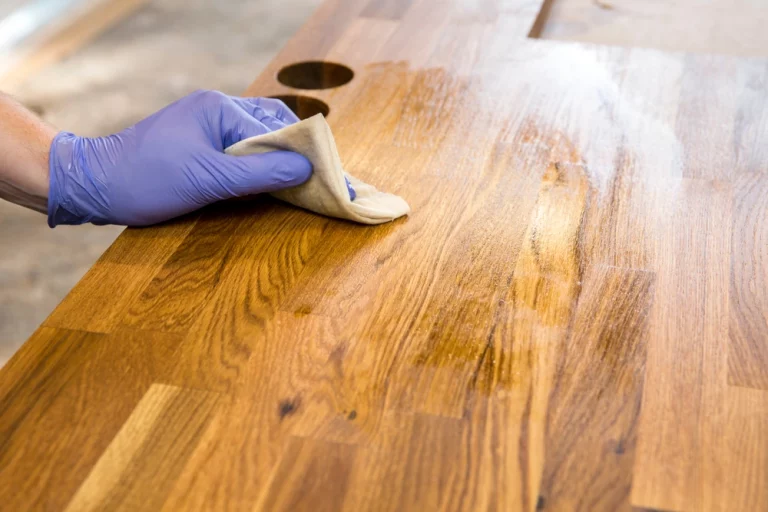
Your deck needs a thorough cleaning after winter to remove dirt, mold, and mildew. Regular cleaning prevents long-term damage to the wood surface. Start by sweeping away loose debris and leaves. Use a pressure washer or deck cleaner with a stiff brush to remove embedded dirt and grime. Let the deck dry completely for 48 hours after cleaning. Apply a high-quality wood preservative or stain to protect the natural tannins and oils in the wood. Pay special attention to any areas showing signs of wear or discoloration. Apply the treatment evenly in thin coats, following the wood grain direction for best results.3) Check Fasteners and Screws
Your deck’s fasteners and screws need careful inspection to maintain structural integrity. Look for any loose screws or nails that are sticking up, as these can cause trips and indicate loose boards. Replace any rusting or corroded fasteners, especially those securing the deck to your house. If you live near saltwater, use stainless steel fasteners for better durability. Take time to check all hardware connections by walking the deck surface and looking for uneven or loose boards. Tighten or replace any compromised fasteners immediately. If your deck uses hidden fasteners, inspect the gaps between boards for any signs of movement or separation that might indicate fastener failure.4) Seal and Stain Surfaces
 Your deck needs fresh sealing and staining each spring to protect it from moisture damage and UV rays. Applying quality sealant helps repel water and prevent mold growth.
Make sure the deck surface is completely clean and dry before starting. For wooden decks, apply stain or sealant annually to prevent rot and decay.
Choose products specifically designed for your deck material. Different deck materials have unique requirements – wooden decks need more frequent sealing and staining compared to composite materials.
Allow sufficient drying time between coats and before using the deck. Follow the manufacturer’s instructions for best results.
Your deck needs fresh sealing and staining each spring to protect it from moisture damage and UV rays. Applying quality sealant helps repel water and prevent mold growth.
Make sure the deck surface is completely clean and dry before starting. For wooden decks, apply stain or sealant annually to prevent rot and decay.
Choose products specifically designed for your deck material. Different deck materials have unique requirements – wooden decks need more frequent sealing and staining compared to composite materials.
Allow sufficient drying time between coats and before using the deck. Follow the manufacturer’s instructions for best results.
5) Inspect Railings and Steps
Your deck’s railings and steps need thorough inspection to ensure safety. Check the railings and stairs for stability and verify all components are firmly attached. Test each baluster by gently pushing it to confirm there’s no wobbling or looseness. Pay special attention to where the railings connect to the deck posts. Examine your stairs for evenness and secure treads. Look for signs of rot, especially where the steps meet the ground. Make sure all handrails are sturdy and properly fastened. Check that railing heights meet local building codes. Replace any damaged balusters or loose boards immediately to prevent accidents.6) Clear Debris and Mold
Regular cleaning prevents dirt buildup and stops mold from taking hold on your deck’s surface. Sweep away leaves, twigs, and other organic matter that can trap moisture. Mix a solution of 1 part vinegar to 4 parts water to clean mild mold spots. For tougher cases, use a commercial deck cleaner designed for mildew removal. Remove items like planters, outdoor rugs, and furniture when cleaning. These objects can trap moisture underneath and create perfect conditions for mold growth. Clean your deck thoroughly at least twice per year, with early spring being an ideal time to prepare for outdoor gatherings.7) Examine Lighting Fixtures
Your deck lighting fixtures need regular inspection to maintain safety and functionality. Check for cracked fixtures and damaged wires, especially after winter weather exposure. Clean all light fixtures and lenses with a soft cloth and mild cleaning solution to remove accumulated dirt and debris. This simple step improves brightness and efficiency. Test each light to ensure proper operation. Replace any burnt-out bulbs and inspect the wiring connections for signs of moisture damage or animal interference. Verify that all lighting fixtures remain securely mounted to your deck. Tighten any loose screws or brackets to prevent future issues.Understanding Deck Materials
 Different deck materials require specific maintenance approaches to maximize their lifespan and performance in various weather conditions.
Wood Types and Their Maintenance Needs
Cedar and pressure-treated pine remain the most popular wood deck materials due to their natural resistance to rot and insects. Cedar offers natural beauty and requires annual cleaning and sealing to maintain its rich color. Pressure-treated lumber needs a thorough cleaning at least twice yearly to prevent mold growth and surface damage. Apply a water-repellent sealer every 2-3 years. Maintenance requirements for wood decks:- Power wash gently to remove dirt and debris
- Sand rough spots before sealing
- Apply UV-protective sealant
- Check for loose boards and protruding nails
Composite Decking Considerations
Composite decks require less maintenance than traditional wood and resist fading, staining, and scratching. These materials blend wood fibers with recycled plastic for superior durability. You’ll need to clean composite decking with soap and water to remove dirt and prevent mildew. Unlike wood, composite materials don’t require staining or sealing. Key maintenance tasks:- Regular sweeping to prevent debris accumulation
- Prompt cleaning of spills to prevent staining
- Gentle scrubbing with soft bristle brush
- Use manufacturer-recommended cleaning products only
Weather Impact on Decks
Weather poses significant risks to deck materials through temperature fluctuations, moisture exposure, and seasonal changes that can compromise structural integrity. Proper maintenance helps prevent costly repairs and extends your deck’s lifespan.Effects of Winter Weather on Deck Integrity
Snow and ice accumulation create excessive weight that strains deck boards and support structures. Laying a protective tarp before the first snowfall helps prevent moisture buildup and warping. Freeze-thaw cycles cause wood fibers to expand and contract, leading to cracks and splits in deck boards. These temperature changes can also loosen fasteners and cause boards to pull away from joists. Salt and ice-melt products used during winter can corrode metal hardware and leave stains on deck surfaces. Consider using sand or cat litter instead for traction.Addressing Moisture and Water Damage
Standing water accelerates wood rot and promotes mold growth. Check that your deck boards have proper spacing to allow water drainage and airflow between boards. Regular inspections help identify water damage early, including:- Soft or spongy boards
- Discoloration or dark spots
- Warped or cupped boards
- Loose or rusty fasteners