Key Takeaways
- Assess your home’s foundation for additional floor strength.
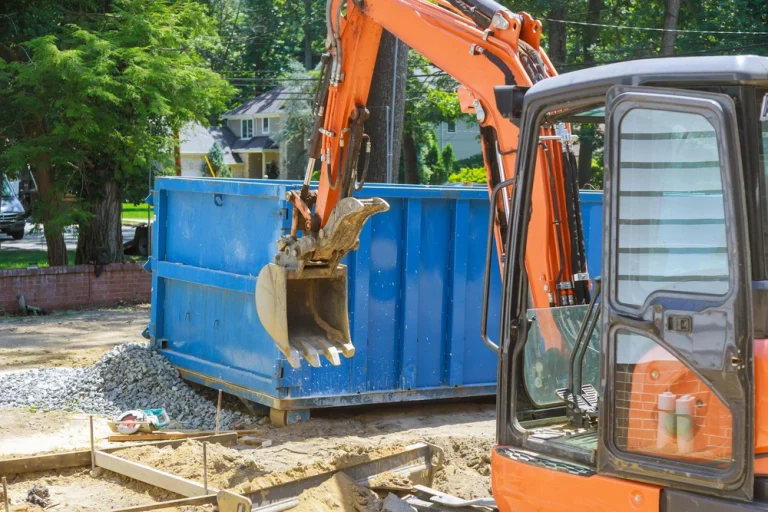
- Plan for construction waste with a large dumpster rental.
- Secure necessary permits and adhere to local regulations.

Evaluating Your Home’s Foundation and Structure
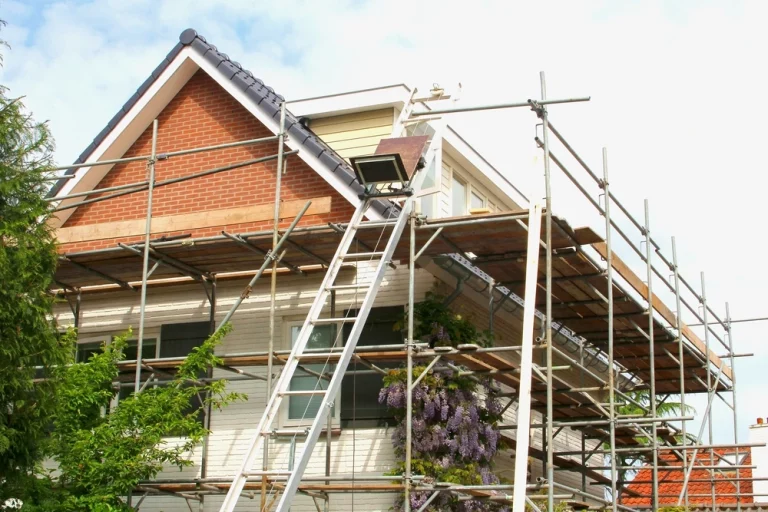
Adding a second story to your home is a significant project that requires careful consideration of your home’s foundation and structural integrity. Key elements to focus on include consulting with a professional and understanding the specific support requirements needed for the addition.Consulting with a Structural Engineer
Before undertaking a second-story addition, consulting with a structural engineer is crucial. The engineer will assess whether your existing foundation can handle the new load by examining factors such as soil type, foundation depth, and current structural condition.An engineer’s assessment will also help identify any necessary reinforcements or modifications required to accommodate additional weight. Their expertise ensures that your home remains safe and stable throughout the renovation process.Moreover, a professional evaluation can prevent costly mistakes and delays, helping you plan your project efficiently. This step is essential for compliance with local building codes and addressing any unforeseen issues early on.Understanding Support Requirements
Understanding the specific support requirements for a second-story addition is vital. Your home may require additional beams, columns, or other structural supports to adequately sustain the new floor.The type of support needed will largely depend on your house’s existing layout and framing. Carefully analyzing these requirements ensures that the structural integrity of the entire house remains unaffected.You may also need to address any existing weaknesses such as foundation cracks or areas with insufficient load-bearing capacity. Reinforcements might include upgrading materials or redistributing weight across the structure, ensuring longevity and stability for the new addition. By thoroughly preparing for these support requirements, the addition process will be smoother and more resilient.Planning and Design
When planning a second story addition, it’s important to balance aesthetics and function. Careful consideration of design flexibility and choosing appropriate home improvement projects can greatly affect your home’s value and living space.Considering Design Flexibility
Design flexibility is crucial when adding a second story, allowing you to adapt the design based on your needs and priorities. You might consider incorporating a new master suite or additional living space to enhance functionality and appeal.Assess your current layout to identify possibilities for integrating new rooms or features. Flexible design can also facilitate future modifications without major disruptions. It’s wise to think about how structural changes might impact both the exterior and interior spaces. Collaborating with architects can provide insights on optimizing space and functionality while maintaining aesthetic harmony.Selecting Home Improvement Projects
Choosing the right home improvement projects is key to maximizing the benefits of a second story addition. Evaluate projects that increase your home value, such as expanding living space or modernizing existing rooms.Options may include creating an entirely new floor plan, adding a guest bedroom, or transforming unused attic space. Consider potential benefits like increased property value and enhanced comfort. Prioritize projects based on your budget and long-term goals. Aligning upgrades with market demands can also offer a competitive advantage if you decide to sell your home in the future.Securing Building Permits and Understanding Regulations
 Before embarking on a second story addition, you need to carefully navigate local building regulations. This involves understanding building codes and dealing with height restrictions, which are both critical to ensuring a compliant and successful project.
Navigating Building Codes
When planning your home addition, the first step is to become familiar with local building codes. These regulations ensure safety and durability, addressing everything from structural integrity to electrical systems. You’ll need to submit detailed plans to the local building department, often involving the expertise of a general contractor.Consulting with professionals can help you understand specific requirements. This might include fire safety standards, insulation specifications, and energy efficiency guidelines. Compliance with these codes not only avoids legal issues but also enhances the safety of your home.Dealing with Height Restrictions
Height restrictions can significantly impact your project, as many areas have zoning laws that dictate the maximum height for residential structures. These regulations are especially relevant if your property is in a densely populated area or a neighborhood with uniform building styles.Before design finalization, check with your local zoning authority for specific height limits. Sometimes, these restrictions can vary based on proximity to other buildings or the overall neighborhood character. Collaborating with local authorities or consulting zoning maps can save you from costly redesigns or legal challenges.For more detailed information, you can check guidelines on adding a second story, which discuss navigating the maze of regulations and permits and consulting local zoning regulations.Analyzing Costs and Budgeting
Adding a second story involves significant financial planning. Understanding the various cost components and establishing a realistic budget are crucial steps in this process.Estimating Project Cost
Estimating the project cost is essential for creating an effective budget. Homeowners typically spend between $100,000 and $600,000 to add a full second story. The wide cost range depends on various factors like the size of the home and the materials used. A critical first step is to consult with contractors and architects to receive detailed quotes.These professionals can help identify the necessary alterations to your existing structure, which significantly influences costs. Don’t forget to account for permit fees and design services. Building permits ensure your project complies with local regulations and can cost a few thousand dollars. Design services, which are crucial for successful renovation, may vary in cost based on the complexity of your plans.Identifying Cost Factors
Identifying cost factors early keeps your budget on track. Major components include labor, materials, and remodeling costs. Labor costs can form a substantial part of the budget as specialized skills are needed for structural changes. You should also consider the cost of high-quality materials, as they impact the durability and longevity of your new space.Additional costs might include temporary housing if your home will be uninhabitable during construction. Always include a contingency fund in your budget to cover unforeseen expenses. It’s wise to build in a buffer of at least 10-15% of your estimated total to handle unexpected costs. Understanding these elements will help you manage expenses and avoid budget overruns.Construction and Project Management
 When embarking on the journey of adding a second story to your home, understanding the roles of general contractors and managing the complexities of home improvement projects is crucial. These elements significantly impact the overall success and efficiency of the construction process.