Key Takeaways
- Choose the right dumpster size based on project scope and space limitations.
- Consider types of materials and adhere to disposal guidelines.
- Maximize efficiency using roll-off dumpsters for your project needs.

Determining the Right Dumpster Size for Your Project
Selecting the appropriate dumpster size requires understanding the scope and nature of your project. Whether you’re handling a small home renovation or a large-scale construction site, matching the dumpster capacity to your project’s needs can optimize efficiency and keep costs down.Overview of Dumpster Sizes and Capacities
Dumpster sizes range widely to accommodate various projects. These sizes are typically identified by the amount of debris they can hold, measured in cubic yards. It’s essential to choose a size that fits both the volume of waste you anticipate and the physical constraints of your worksite. For instance, a 10-yard dumpster is perfect for small-scale projects, while larger endeavors might require a 40-yard option.10-Yard Dumpster: Ideal for Small-Scale Projects
A 10-yard dumpster is most suitable for smaller tasks such as single-room decluttering or minor landscaping jobs. With dimensions that generally measure around 10 feet in length, it offers a compact solution while providing sufficient capacity to handle modest amounts of waste. This dumpster size is versatile enough to fit in tight spaces and is easy to maneuver, making it a practical choice when space is limited.20-Yard and 30-Yard Dumpsters: Versatility for Medium-Sized Projects
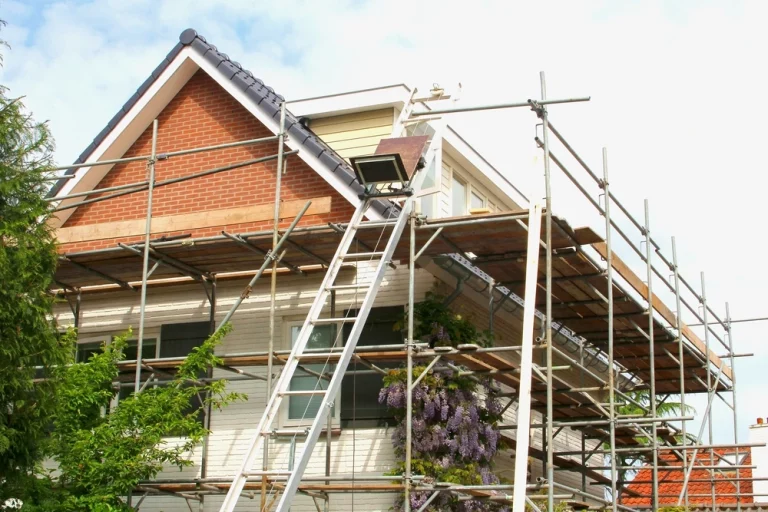
For medium-sized projects, such as residential remodels or moderate construction tasks, 20-yard or 30-yard dumpsters are often the most effective. A 20-yard dumpster can handle tasks like kitchen or basement renovations, providing ample room without overwhelming your site. On the other hand, a 30-yard dumpster can accommodate larger volumes of waste attributed to more extensive projects, like multi-room renovations. Both sizes balance capacity with maneuverability, offering flexibility for diverse needs.40-Yard Dumpster: The Solution for Major Construction Projects
When tackling major construction projects, a 40-yard dumpster provides the necessary capacity to manage large volumes of debris. Ideal for commercial demolitions or comprehensive home builds, this size supports substantial waste removal needs. Its size, typically 22 feet in length, ensures that it can handle everything from building materials to large-scale waste. Although this option requires more space, it minimizes the need for frequent disposal trips.Types of Materials and Waste Disposal Guidelines
When renting dumpsters for construction or demolition projects, understanding acceptable materials, prohibited items, and weight limits is crucial. This will help you ensure proper waste management while avoiding potential fines.Acceptable Materials for Dumpster Use
In construction and demolition projects, you can dispose of various types of debris in dumpsters. Commonly accepted items include construction debris such as wood, drywall, and roofing shingles. Demolition projects often produce concrete, bricks, and metal, which can also go in dumpsters. You can also place household items like appliances and furniture if part of the renovation. Be aware that some materials may require specific disposal methods depending on local regulations. This ensures that waste is managed correctly and efficiently.Prohibited and Hazardous Materials
Dumpsters have strict guidelines on prohibited and hazardous materials. Items like paint, chemicals, and asbestos are not allowed because they require special handling. Electronic waste, such as computers and TVs, generally should not be placed in dumpsters due to environmental concerns. Certain states may have specific rules on what constitutes hazardous waste, so it’s vital to check local regulations. Violating these rules can lead to penalties, making proper sorting essential before disposal.Understanding Weight Limits and Overages
Each dumpster comes with weight limits based on its size and purpose. Exceeding these limits may incur overage fees and cause difficulties in removal. Home cleanouts might not reach these limits, but construction and demolition debris, like concrete, can quickly add weight. To manage weight, distribute heavy materials evenly and avoid unnecessary items. Verify the weight capacity with your provider to ensure compliance. Focusing on the types of materials and their associated weights can save time and cost during your project.Special Considerations for Specific Projects
 When selecting a dumpster, it’s essential to consider the unique needs of different projects. Understanding the specific requirements of home cleanups, roof replacement jobs, and landscaping tasks helps ensure you choose the right size and type of dumpster for efficient waste management.
Home Cleanup and Estate Cleanouts
For home cleanup and estate cleanouts, the volume and type of waste can vary significantly. Smaller projects such as garage cleanouts may only require a mini dumpster due to limited debris. Estates or thorough home cleanouts, though, might necessitate larger containers to manage mixed waste like furniture, appliances, and accumulated belongings. When planning, assess the materials you will dispose of. Bulky items typically need more space, so a larger dumpster could be more economical despite an initial higher cost. Consider accessibility to the site for delivery and pickup as well, ensuring efficient waste handling without interruption.Roofing Projects: Choosing the Appropriate Dumpster
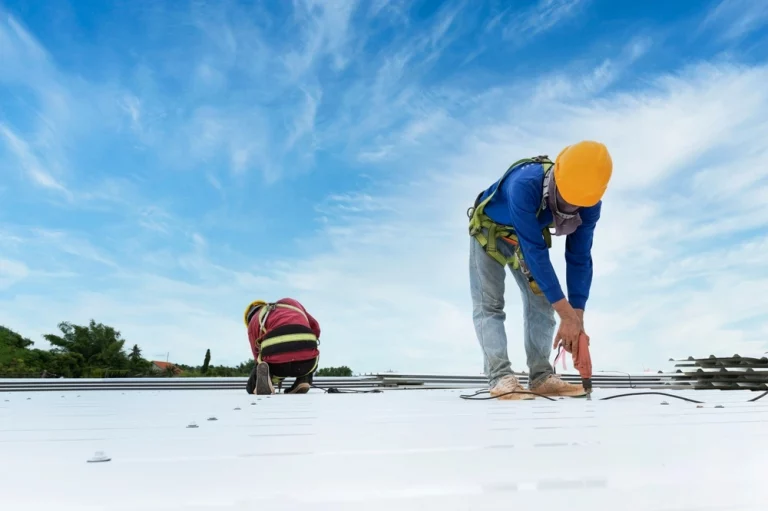
Roofing projects typically generate heavy, dense waste like shingles, wood, and nails. It’s crucial to select a dumpster that can handle both the volume and weight of these materials. Typically, a 20-yard dumpster can accommodate waste from an average roof replacement. Weight limits are a primary consideration. Roofing materials are often heavy, so exceeding the dumpster’s capacity can incur additional fees. When budgeting, account for both the weight and the waste type. Organizing materials into bundles can help maximize space and ensure more efficient use of the roofing dumpster.Landscaping and Yard Waste Removal
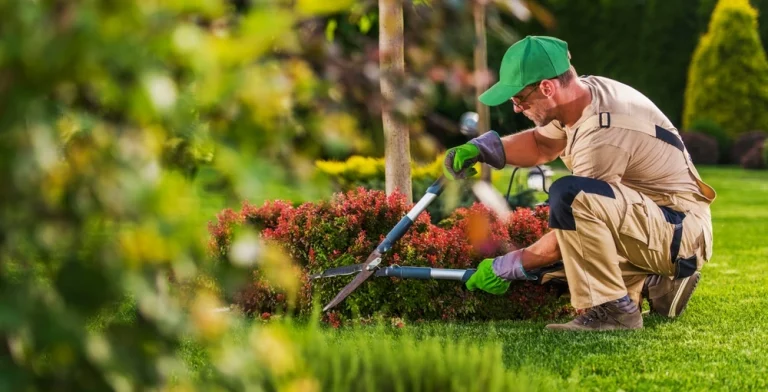
Landscaping jobs can generate diverse waste, from grass clippings and branches to soil and stone. For most yard waste removal, a 10-yard dumpster is typically sufficient, but larger projects with substantial debris may require a bigger unit. Materials like rocks and dirt are dense, potentially exceeding weight limits if not estimated carefully. Understanding your project’s waste composition helps in choosing the right yard waste dumpster. Compostable materials may also change your approach, potentially leading you to consider waste recycling opportunities. Efficiently organizing different waste types can aid in minimizing costs and improving disposal efficiency.The Advantages of Roll-Off Dumpsters for Contractors
Roll-off dumpsters offer multiple benefits that can enhance the efficiency and organization of your construction project. They are especially valuable for their ease of use and flexible rental periods.Ease of Use and Flexible Placement
Roll-off dumpsters are designed for straightforward placement and usage, making them a highly efficient choice for construction sites. Due to their wheeled base, these dumpsters can be easily positioned in tight or otherwise challenging spaces. This flexibility allows you to place them conveniently near where waste is being generated. Their straightforward maneuverability minimizes disruption to your workflow, enabling quicker cleanup and improved job site safety. This ability to place a roll-off dumpster close to the work area is invaluable, reducing the time and labor involved in waste management on site. Additionally, it keeps the work environment clean and organized, enhancing the overall productivity of your team.Convenient and Flexible Rental Periods
The rental terms for roll-off dumpsters allow for extended or short-term use, depending on the needs of your project. This flexibility ensures that you are not paying for more time than necessary while also providing the peace of mind of having a dumpster on site for as long as you require it. With multiple roll-off dumpster sizes available, you can select one that matches the amount of waste your project will generate, preventing overpayment for larger units that aren’t needed. This adaptability ensures you have a cost-effective solution that aligns perfectly with the timeframe and waste output of your construction project. It streamlines waste management, helping you meet deadlines efficiently.Best Practices for Maximizing Dumpster Rental Efficiency
 Maximizing the efficiency of your dumpster rental involves strategic planning and execution. Focus on strategic loading, timing, and collaboration to ensure optimal waste removal for demolition projects or other construction needs.