Key Takeaways
- Downsizing saves money and reduces maintenance.
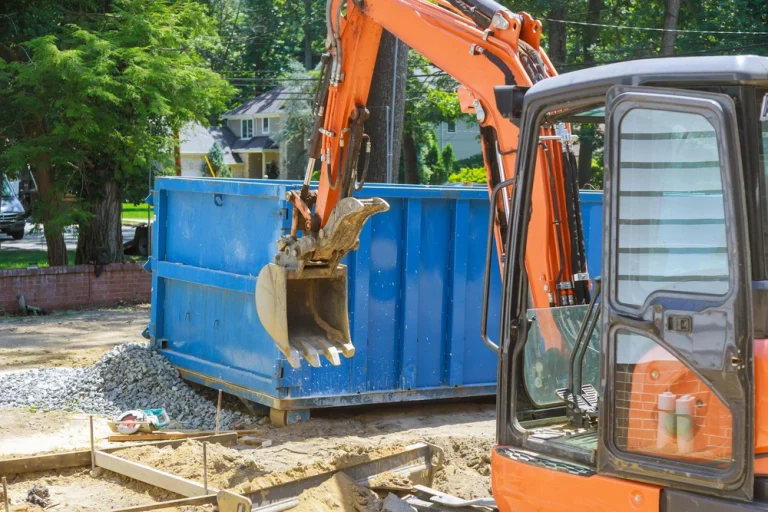
- Renting a dumpster helps manage decluttering effectively.
- Adjusting to a smaller space offers new creative opportunities.

Understanding How to Downsize Your Home
Downsizing your home involves evaluating your future needs, setting achievable goals, and using resources efficiently. Whether you’re an empty nester or preparing for retirement, making informed decisions can significantly streamline this transition.Assessing Your Needs
Begin by considering your current and future lifestyle. Take stock of how many rooms you actually use in your home and the utility each provides. This evaluation helps in identifying which spaces or items are necessary for your daily living. The goal is to create a comfortable living environment that reflects your lifestyle, whether simplifying for retirement or maintaining flexibility.A practical step is to measure your new space and plan where your existing furniture and belongings will fit. Identify essential items you truly need, and consider working with a certified Seniors Real Estate Specialist if you fall within that demographic. Renting a dumpster from Waste Removal USA can be very helpful in disposing of unwanted items, ensuring a smoother move by decluttering effectively.Setting Realistic Goals
It’s important to establish clear and realistic goals for downsizing. Are you moving to reduce maintenance, cut costs, or enjoy a simplified lifestyle? Defining your objectives allows you to prioritize tasks and set manageable deadlines. Setting measurable goals means clearer progress tracking and less stress during the transition.Creating a specific, actionable plan tied to a timeline will guide you through each step of the move. Establish areas of focus, like decluttering personal spaces or downsizing belongings community organizations might find useful. With these concrete goals, you’ll find the downsizing process not only manageable but rewarding.Strategies for Decluttering
When downsizing your home, effective decluttering strategies are essential. This involves purging unnecessary items, sorting and categorizing belongings, and applying methods like Marie Kondo’s to determine what truly brings joy and value.The Art of Purging
Purging is a crucial part of decluttering as it involves making decisions about what to keep, toss, or donate. Begin with large items that are often the most cumbersome to move. Consider if each item serves a purpose or brings happiness to your life. Renting a dumpster from Waste Removal USA can simplify this process by providing an efficient way to dispose of unwanted items.Be methodical, taking one room at a time to avoid feeling overwhelmed. Create piles for items you plan to keep, donate, or discard. Keep in mind that donating is a great way to give items a second life and helps those in need.Sorting and Categorizing Your Belongings
Sorting and categorizing make the process of decluttering more manageable by providing structure. Start by categorizing your items into groups such as clothes, books, and kitchenware. This allows you to assess each category’s total volume at once, which can help you identify duplicates or items that serve similar purposes.Digitizing documents and photos reduces physical clutter while preserving important information and memories. Use clear storage bins or boxes for items you need to keep but not display, labeling them for easy access. By handling each item, you can better decide its importance and whether it fits in your downsized space.The Marie Kondo Method
Marie Kondo’s approach emphasizes the importance of joy in determining what to keep. The method involves holding each item and asking yourself if it sparks joy. This practice encourages mindful decision-making and emotional connection to your belongings. Begin by decluttering personal items like clothes and move through to communal spaces.Fold clothes and store them vertically to save space and maintain order. This method also addresses sentimental items by focusing on gratitude and letting go without guilt. The approach is not only about decluttering but also about creating a space that reflects your values and lifestyle.Organizing a Successful Move
Organizing a successful move involves efficient planning to reduce stress and manage costs. Carefully choosing your moving company and creating a detailed to-do list with an inventory can streamline the transition to your new home.Selecting the Right Moving Company
Choosing the right moving company is integral. Start by researching reputable options and comparing quotes to ensure fair pricing. Look for companies with strong reviews and ratings to guarantee reliability. It’s wise to check if the company is licensed and insured to protect your belongings.Consider any additional services the company offers, such as packing or storage, which can be invaluable during a downsizing move. Clear communication is key. Discuss your needs and set expectations upfront about timelines and budgets.Moving costs can add up quickly, so request detailed estimates that outline all fees. This will help you avoid any surprise charges. Also, renting a dumpster from Waste Removal USA can be very helpful for disposing of items you choose not to take with you. This step is crucial to minimizing stress and ensuring a smooth move.Creating a To-Do List and Inventory
A comprehensive to-do list and inventory can significantly reduce moving chaos. Begin by itemizing everything you plan to move. This helps keep track of your possessions and minimizes the risk of loss.Prioritize tasks such as packing, canceling utilities, and updating addresses. Assign deadlines for each task to maintain a steady pace. Break down the packing process room by room, labeling boxes clearly for easy identification.Use a digital spreadsheet to maintain your inventory. It aids in organizing your items and is handy for insurance purposes. Regularly update the inventory as you pack. Ensuring you have a structured plan in place helps in maintaining focus and reduces the likelihood of overlooking important details during the move.Selling, Donating, and Recycling Options
 When downsizing your home, effectively managing your belongings can be accomplished through selling, donating, and recycling. Each approach offers unique benefits, from earning extra cash to supporting charitable causes and minimizing waste.
Using Online Platforms to Sell Items
Online platforms present an accessible way to sell unwanted items. Websites like eBay and Craigslist allow you to reach a wide audience, making it ideal for selling furniture and other larger items. Platforms such as Nextdoor connect you with local buyers, simplifying logistics for selling bulky goods. Hosting a garage sale can also attract local customers interested in bargain prices. Utilizing multiple platforms maximizes exposure and potential sales, giving you the best chance to downsize your belongings effectively.Finding Charities for Donations
Donating items not only supports those in need but also helps clear space efficiently. Many charities accept furniture, clothing, and household items. Research local organizations to find those that align with your values or needs. Some charities may even offer pick-up services for larger donations, easing the transition for you. Items like gently used clothes and functional furniture can find new homes with organizations that distribute to families in need, making your contribution meaningful.Responsible Disposal and Recycling
Recycling is crucial for reducing waste and ensuring that items are disposed of responsibly. Recyclable materials often include electronics, paper, and certain plastics. Check with local recycling centers to determine which items they accept. For larger disposal needs, renting a dumpster from Waste Removal USA can simplify this process, providing space for bulkier items that cannot be sold or donated. Consider drop-off points for specialty recyclables such as batteries and electronics to prevent environmental harm. Always adhere to local regulations to promote sustainable disposal practices.Adjusting to Your New Space
Transitioning to a smaller house requires strategic planning and thoughtful organization. Effective use of space includes focusing on maximizing living areas and determining essential items to keep.Maximizing Smaller Living Areas
Utilize mirrors strategically to create an illusion of depth, making rooms feel more spacious. Consider versatile furniture, such as a sofa that transforms into a bed or a dining table with foldable sides, to adapt to multiple functions and fit within your space constraints.Use vertical space by installing shelves or hooks, especially in the kitchen and bathroom, to store items without cluttering countertops. In the bedroom and living room, opt for storage pieces like ottomans and benches with hidden compartments.For optimal organization, declutter before the move. Renting a dumpster from Waste Removal USA can help you efficiently dispose of items you no longer need.Essentials for a Smaller Home
Prioritize items that serve multiple purposes in your smaller house. When considering kitchen appliances, focus on compact, multifunctional options like a convection microwave that also roasts. In the home office, choose a foldable desk to save space when not in use.Think about the essentials for each room. In the kitchen, maintain a limited set of high-quality cookware. Simplify the bathroom by incorporating a few decorative elements, like matching towels and a small framed mirror, to keep it feeling organized.By keeping only what you need and use regularly, you ensure that each item in your space contributes to both functionality and comfort, making living in a smaller house more manageable and enjoyable.Financial Considerations
 When downsizing your home, it’s essential to evaluate the financial aspects involved. Reducing living expenses and understanding real estate market trends are key factors that can significantly impact your financial situation.