Key Takeaways
- Efficient planning is essential for a successful renovation.
- Renting a dumpster helps manage the waste from demolition.
- Final decorations personalize and complete your remodel.

Planning Your Bathroom Remodel
When planning your bathroom remodel, focus on setting a budget, considering design and layout, and selecting the right materials. Careful planning can ensure a successful project that fits both your style and financial constraints.Setting a Budget
Establishing a budget is crucial for your DIY bathroom remodel. Consider all potential expenses, including materials, tools, and unforeseen costs. Determine how much you’re willing to invest in the project. Break down the budget into categories, such as fixtures, cabinetry, and flooring. Prioritize essential elements over optional upgrades. Keep a contingency fund for unexpected issues that might arise during renovation. Track your spending to ensure you remain within your budget. Using online budget calculators can help refine your financial plans.Design and Layout Considerations
Design and layout are central to a successful bathroom remodel. Begin with identifying the layout that best suits your space and needs. Consider the placement of fixtures like the shower, toilet, and sink for optimal flow and utility. Take note of your bathroom’s size and consider its overall design theme. Whether you prefer a modern aesthetic or a classic look, ensure your design elements are cohesive. Think about storage solutions that maximize space without compromising style. Researching various design ideas can help you make informed decisions that enhance both functionality and appeal.Selecting Materials
Selecting the right materials affects both the beauty and durability of your bathroom. Choose high-quality materials that withstand moisture and frequent use. Choose tiles that are specifically designed for wet areas to prevent water damage. Consider energy-efficient fixtures to reduce utility costs over time. Evaluate different materials such as ceramic, porcelain, or natural stone for your flooring and walls, balancing cost with style preferences. Be mindful of how different materials fit within your budget and overall design plan. Visiting home improvement stores can provide firsthand insights into material options and their suitability for your remodel.Demolition and Preparation
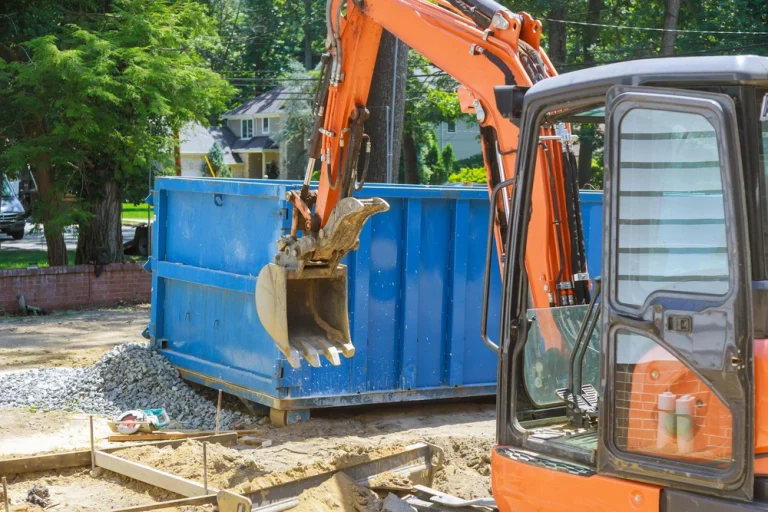
Beginning a bathroom renovation involves careful demolition and thorough preparation. You’ll need to prioritize safety, remove outdated fixtures, and prepare the space for the new design. It’s also essential to plan for proper disposal of debris by arranging a driveway dumpster rental that suits the amount of waste generated.Safety Precautions
Before starting any demolition work, ensure you have the right protective gear. Wear safety goggles, gloves, and a dust mask to protect against debris and dust particles. First aid kits should be accessible in case of minor injuries. Disconnect all utilities such as water, electricity, and gas to prevent hazards. Cover vents to contain dust within the work area. Make sure the room has adequate ventilation. It’s crucial to follow these steps to maintain a safe working environment.Removing Old Fixtures
Begin with removing fixtures like toilets, sinks, and cabinets systematically. Start by turning off the water supply and then unscrewing or unbolting fixtures carefully to avoid damage. If you plan to reuse any items, label and store them safely. Having the right tools, like a wrench, screwdriver, and pry bar, is essential. Consider consulting a professional for disconnecting complicated systems if you’re unsure. Removing fixtures efficiently will help streamline the rest of the renovation process.Preparing the Space
With old fixtures out, focus on clearing the work area. Use plastic drop cloths to cover floors and walls, protecting them from damage. Mark areas where new installations will go to ensure you have accurate measurements before purchasing materials. Inspect the plumbing and electrical systems while the space is open. Make any necessary upgrades to support new fixtures. This is also the time to check for mold or water damage. Proper preparation ensures that the renovation proceeds smoothly and without unexpected setbacks.Installing New Fixtures and Features
 Transforming your bathroom with new fixtures and features enhances aesthetics and functionality. Focusing on plumbing essentials, installing a walk-in shower, and setting up lighting and ventilation can significantly elevate your home improvement project.
Plumbing Essentials
When installing new fixtures, understanding plumbing is crucial. You should ensure that the water supply lines and drainage systems are properly aligned with the fixtures. Begin by turning off the main water supply to avoid leaks. Check if existing pipes need replacing, and use PEX piping for flexibility and corrosion resistance. Don’t forget to use quality adhesive and sealants when securing fixtures. Consider consulting a professional if you’re unsure about the pipe sizes and fittings required for your bathroom.Installing a Walk-In Shower
A walk-in shower can add a modern touch to your bathroom. Begin by mapping out the shower’s location within your space. Prepare the floor for a proper slope to ensure efficient drainage, and select appropriate waterproof materials for walls and bases. Install a high-quality shower pan and consider using glass panels for a sleek look. Select adjustable shower heads to enhance user experience. Ensure that the installation is sealed thoroughly to prevent moisture from escaping the shower area. This setup not only comforts but also improves your bathroom’s value.Setting up Lighting and Ventilation
Proper lighting and ventilation are vital for functionality and comfort. Start by evaluating the existing lighting setup and determine where additional fixtures are needed. LED lights are energy-efficient and offer a variety of styles to suit your taste, whether it’s recessed ceiling lights, vanity lights, or wall-mounted sconces. Install a combination of task and ambient lighting to ensure every corner is lit adequately. Ventilation is equally important to reduce humidity and prevent mold. Assess the current fan’s efficiency and replace or add a bathroom fan if necessary. Choose a model with sufficient airflow capacity, suited to your bathroom size, to facilitate airflow and maintain air quality.Flooring and Tiling
When tackling a DIY bathroom remodeling project, flooring and tiling play crucial roles in both function and aesthetic. Choosing the right materials and mastering basic techniques can significantly enhance the outcome.Choosing Floor Materials
Selecting the appropriate floor material is essential for durability and style. Luxury vinyl tile is a popular choice due to its water resistance, ease of installation, and affordability. It’s ideal for bathrooms because it mimics the look of natural materials like wood or stone while being more resilient to moisture. Ceramic and porcelain tiles offer a classic look and come in various styles and colors. They provide excellent water resistance and are incredibly durable, although they may be more challenging to install for beginners. Consider using large tiles to minimize grout lines and create a seamless look. Cost is an important factor. Vinyl tiles are generally more budget-friendly, whereas natural stone can be costly but adds a touch of elegance. Assess your budget and needs before making a final decision.Tiling Techniques
Effective tiling begins with proper surface preparation. Ensure the subfloor is clean, dry, and level. Using a cement backer board can provide additional stability and moisture resistance. Mix thinset mortar according to the instructions, and apply it with a notched trowel. Begin laying your tiles from the center of the room for a balanced appearance. Make sure to use spacers to maintain consistent grout lines between tiles. When applying grout, use a rubber float to spread it diagonally across the tiles, ensuring complete coverage of the joints. Remove excess grout with the edge of the float at a 45-degree angle. For filling gaps between tiles, press grout firmly into the joints for a flawless finish. Consider checking a step-by-step guide on tiling a bathroom floor for additional tips and techniques.Final Touches and Decoration
 Enhancing a bathroom remodel can be efficiently achieved through thoughtful decoration and smart organizational solutions. Simple additions like floating shelves and tasteful accessories can transform your space into a functional and visually appealing area.