Key Takeaways
- Marble countertops bring luxury and timeless elegance to any kitchen.
- Consider finishes and maintenance for long-lasting beauty.
- Weigh cost against alternatives and possible challenges.

Types and Characteristics
Marble countertops are known for their elegance and durability. It’s important to understand the distinct colors and patterns of different marble types, as well as the quality and origin of the marble used in your home.Distinctive Colors and Patterns
Marble offers a diverse range of colors and patterns, allowing you to find a style that complements your space. Calacatta marble, recognized by its dramatic veining, often features bold, thick veins on a bright white surface. Found in Carrara, Italy, it’s one of the most sought-after options. Carrara marble, another popular choice, typically showcases finer gray veins on a softer white background. Beyond the classic white and gray, marble also comes in shades of green, beige, gold, blue, red, brown, and black. Each color variation brings a unique character to your countertops, allowing for personalized design. When selecting a marble type, consider how its colors and patterns will fit into your overall design scheme.Marble Quality and Sources
Marble quality is assessed based on factors like clarity of the color, consistency of the texture, and symmetry in its veining. High-quality marble is generally sourced from reputable quarries, with Italy being one of the most renowned locations. For instance, Calacatta and Carrara marbles are predominantly quarried in Italy, ensuring premium quality. Other quality marbles may be found in regions like Connecticut and New York, known for producing durable, beautiful stones. To ensure you are choosing quality marble, look for a well-defined color and pattern without excessive cracks or fissures. By understanding the sources and quality markers, you can make informed decisions about your marble selection.Finishes and Maintenance
Marble countertops are valued for their natural beauty and timeless appeal. Choosing the right finish is crucial for both aesthetics and durability. Proper maintenance, including cleaning and sealing, helps prevent common issues like staining, etching, and scratching.Choosing the Right Finish
When selecting a finish for marble countertops, consider honed and polished options. A honed finish provides a matte look, which can hide scratches better but may be more prone to staining. In contrast, a polished finish is shiny and reflective, enhancing the marble’s colors but may show scratches more easily. Understanding your lifestyle and aesthetic preferences will help guide this choice. Sealing is essential for both finishes. Regular application of a quality sealant can significantly reduce the risk of staining and etching. Ensure that you choose a sealant compatible with the finish you have selected to maintain its integrity over time. Keeping your specific needs in mind when choosing finishes and sealants can ensure long-lasting beauty and functionality.Caring for Marble Countertops
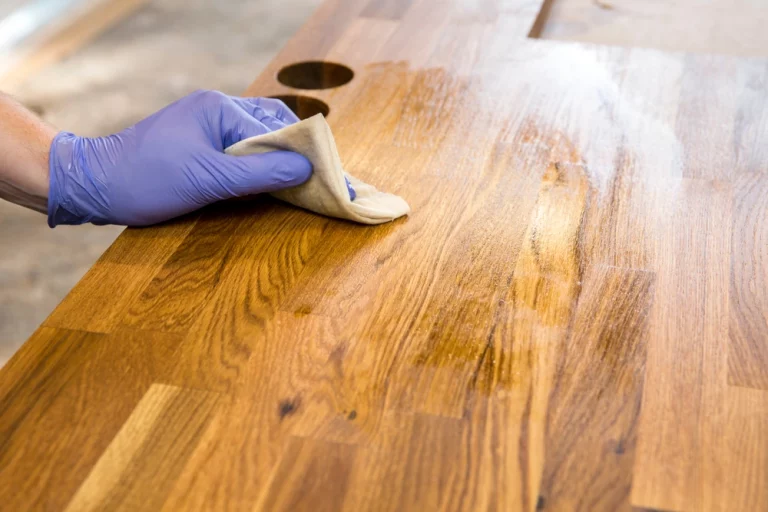
Effective maintenance involves regular cleaning and periodic resealing. Use a mild, pH-neutral cleaner or warm water mixed with gentle soap for daily cleaning. Avoid acidic substances like citrus juices or vinegar, as they can cause etching. Any spills should be wiped up promptly to prevent stains. To prevent scratches and staining, use coasters and trivets under glasses and hot items. Avoid using metal or sharp utensils directly on the surface. Periodic sealing is necessary to maintain the protective layer against moisture and spills. Generally, sealing should be done annually, although high-use areas might benefit from more frequent applications. By following these guidelines, you can preserve the natural elegance of your marble countertops while minimizing common issues associated with their care.Design and Installation Considerations
 Choosing marble countertops for your home involves key decisions regarding design styles and the installation process. Consider how marble will align with your decor and the customization options available for optimal results.
Matching Marble to Your Home Decor
Marble countertops are a luxurious addition to any kitchen or bathroom, serving as a striking focal point. When selecting marble, think about how it complements your existing design elements like soft gray cabinetry or backsplashes. Different marble varieties offer unique colors and veining, essential for matching your home’s design style. Book-matched patterns can add an elegant touch, especially if you’re looking to make a bold statement. Before choosing, gather inspiration from decor magazines or showrooms and discuss options with your fabricator to ensure the marble integrates seamlessly with your home’s decor.Installation Process and Custom Options
The installation of marble countertops requires careful planning and precision. Accurate measurements are crucial to avoid future issues. Select a custom-cut marble that fits your space perfectly, whether for a kitchen countertop or bathroom countertop. You may choose custom edges, such as the popular eased edge, to add unique character. During installation, use skilled professionals to prevent common mishaps like cracking. Consider adding backsplashes for a cohesive design. You can also explore custom options like integrated sinks or custom finishes. Working closely with your installer ensures your countertops are not only functional but also visually stunning.Cost and Alternatives
Marble countertops are often considered a premium choice due to their distinctive appearance and luxurious quality. However, the cost of marble can vary significantly, and there are several alternatives like granite, quartz, and limestone that may offer a balance of aesthetics and budget.Understanding Marble Countertop Costs
Marble countertops can be a costly investment, with prices ranging widely. On average, installing marble countertops costs around $70 per square foot. The cost increases with unique colors, patterns, and veining, which can make certain slabs more desirable and expensive. Some exotic varieties, like Statuario marble, can cost between $100 and $140 per square foot due to their striking appearance. The installation of marble countertops also adds to the total cost. Labor charges can vary depending on region and complexity, but it’s crucial to account for them in your budget. Marble requires sealing and regular maintenance to keep it in top condition, which can incur additional costs over time. It’s important to budget for these ongoing expenses if you’re considering marble countertops.Comparing Marble to Other Materials
When considering alternatives, materials like granite and quartz are often mentioned. Granite offers durability and a wide range of colors, generally costing less than marble. For comparison, marble countertops cost less per square foot than some premium granite. Quartz, known for its durability and low maintenance, is another viable alternative and can mimic the look of natural stone. Limestone provides a unique, softer appearance and is often more affordable than marble but may lack the same level of durability. Glass countertops bring a modern, sleek look, while soapstone offers a matte finish and is resistant to stains and heat. Each material presents its own advantages and price points, making them worth considering as alternatives to marble.Advantages and Challenges
 Marble countertops bring a touch of elegance to any kitchen or bathroom, but they also come with noteworthy challenges. From their heat resistance to their susceptibility to staining, it is important to weigh these factors before making a decision.