Key Takeaways
- Regular maintenance prevents costly repairs.
- Routine inspections identify issues early.
- Professional inspections boost roof longevity.

Understanding Roofing Systems and Materials
When working on residential roofing projects, selecting the appropriate materials and understanding roofing systems are crucial. The choice of materials impacts both the longevity and aesthetics, while proper installation ensures durability and protection.Types of Residential Roofs
Understanding the different types of residential roofs helps you offer the most suitable options to your clients. Asphalt shingles are popular due to their cost-effectiveness and ease of installation. For clients seeking durability, metal roofs offer longevity and resistance against harsh weather conditions. Flat roofs are common in urban areas, providing additional usable space for HVAC systems or gardens. Tile roofs, made from clay or concrete, are aesthetically appealing and known for their fire resistance. Wood shingles offer a natural look but require regular maintenance to prevent rot and insect damage.Choosing the Right Roofing Materials
Selecting the right roofing materials is essential for meeting client needs and ensuring long-term satisfaction. Clients often choose asphalt shingles for their affordability and variety of colors. Metal roofs are ideal for those prioritizing durability and energy efficiency, reflecting sunlight to reduce cooling costs. Flat roofs typically use materials like TPO or EPDM, which are suitable for low-slope applications and provide excellent waterproofing. Tile roofs require a strong structure to support their weight but offer unmatched aesthetic appeal. Choosing wood shingles can add a rustic charm, but they need proper treatment against moisture and pests.Importance of Proper Roof Installation
Proper installation is the backbone of a resilient roofing system. Correct installation techniques prevent common issues such as leaks and material deterioration. It’s important to ensure adequate ventilation to extend the life of a shingle roof, as improper ventilation can lead to overheating and shortened lifespan. Using the right fasteners and techniques for different materials, like metal or roof tiles, is critical to withstand environmental stressors. Regular inspections and maintenance further safeguard against potential problems, allowing for prompt repairs and preserving the roof’s integrity over time.Routine Roof Maintenance
Routine maintenance is critical for extending the lifespan of a roof and preventing costly repairs. Key aspects include regular inspections, cleaning debris, and addressing algae and moss growth.Inspecting Your Roof Regularly
Inspect your roof at least twice a year, ideally in the spring and fall. Look for broken or missing shingles, signs of water damage, and any deterioration around vents and chimneys. Early detection of issues like these can save significant repair costs. Pay close attention to downspouts and gutters, ensuring they are intact and properly attached. This vigilance helps avoid water pooling that can lead to mold or structural damage. Consider professional inspections for a comprehensive assessment, especially after severe weather events. Regular checks are an investment in the roof’s longevity.Cleaning Debris from the Roof and Gutters
Debris accumulation is not only unsightly but can also damage roofing materials. Regularly remove leaves, twigs, and branches from the roof surface and clean gutters. This prevents clogs that can lead to water backup and potential leakage. During cleaning, ensure that gutters and downspouts are free-flowing. If gutters are not clear, they can’t direct water away effectively, risking damage to both the roof and foundation. Consider implementing guards or screens to reduce debris buildup. These simple roof maintenance tips help protect against standing water that can cause long-term issues.Preventing and Removing Algae and Moss
Algae and moss growth on roofs can lead to significant deterioration over time. Moss retains moisture, which can weaken shingles and increase the risk of leaks. For prevention, prune trees that overhang the roof to reduce shade and allow for faster drying. Apply solutions specifically formulated to inhibit algae and roof moss growth. It’s crucial to address these issues early, as moss can lift shingles and allow water penetration. Regularly inspect for growth, particularly in humid climates where it thrives. Effective management involves both treatment of existing issues and proactive measures to prevent future occurrences.Identifying Common Roof Issues
 Recognizing potential roof problems early is crucial for maintaining structural integrity and preventing costly repairs. This section covers how to identify possible leak areas, structural weaknesses, and weather-related damage.
Spotting Potential Leak Areas
Leaks are a common issue in residential roofing and often start small before escalating. Inspect flashing around chimneys, skylights, and other roof penetrations, as these are frequent leak points. Pay attention to roof valleys, which are prone to water infiltration due to their design. Water stains on ceilings or walls may indicate active leaks. Use binoculars or a drone to spot missing shingles or damaged caulk from afar. Don’t overlook tree branches that may scrape against the roof, causing damage. Regularly trim these to prevent further issues. Keeping an eye on the attic for signs of moisture like mold or mildew can also help in early leak detection.Detecting Structural Vulnerabilities
Understanding how to detect structural vulnerabilities in a residential roof is critical. Roof flashing degradation, for instance, can compromise the structure and lead to leaks. Evaluate the roof for sagging areas which may suggest underlying structural problems. Ice dams can lead to significant water buildup and might contribute to structural issues if not addressed promptly. Check for any visible cracks or splits in the roofing material. Broken or missing shingles can expose the underlayment to elements, further weakening the roof’s structure. Ensuring proper ventilation in the attic can alleviate stress on the roof and help prevent structural failures. Regular inspections, particularly after severe weather events, will allow you to spot these vulnerabilities.Addressing Weather-Related Damage
Weather can cause significant roof damage, from heavy winds to snow accumulation. Look for displaced or broken shingles after strong storms, which can leave the roof exposed to the elements. Ice dams occur when snow melts and refreezes at the eaves, causing water to back up under the shingles. Implement measures to prevent ice dams like improving attic insulation and ventilation. Rain and hail may dent or puncture roofing materials, leading to leaks. Examine the gutter systems for clogs and damage from fallen debris, as efficient drainage prevents water-related roof damage. Strategies like installing reinforced roofing materials and maintaining caulk can mitigate weather-related risks.Professional Roof Inspections and Repairs
Roof inspections and repairs are crucial for maintaining a safe, long-lasting roof. Understanding when to hire professionals and deciding between repair and replacement are key.Hiring Qualified Roofing Contractors
Selecting experienced roofing contractors is essential for a thorough roof inspection and effective repair. Look for professionals with proven expertise in residential roofing. Ensure they are licensed and insured, which protects you from any liabilities. You can check reviews and testimonials from previous clients to determine their reputation. Services often include inspections to assess the condition and longevity of your roof. When hiring, confirm if they have a specialization in the roofing materials your home uses, such as asphalt shingles or metal roofing.When to Select Roof Repair vs. Replacement
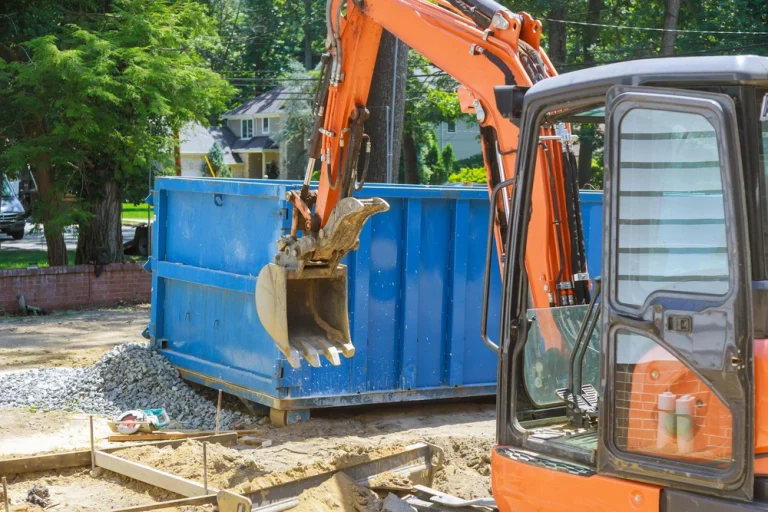
Deciding between roof repair and replacement depends on the extent of the damage and the condition of the roof. Minor issues like small leaks or damaged shingles can usually be resolved with repairs. In contrast, widespread damage or structural issues might require a complete roof replacement. Consider the age of the roof. Older roofs close to their expected lifespan might benefit from a replacement to avoid future issues. A professional roofer will guide you in making the best decision based on a detailed inspection report, highlighting any recurring problems. Anytime you plan to take on roofing projects yourself, you will need to get a proper roof dumpster rental for the debris. Even when hiring a contractor, you will notice they use roofing dumpsters to complete the job.Ensuring Safe and Efficient Work Practices
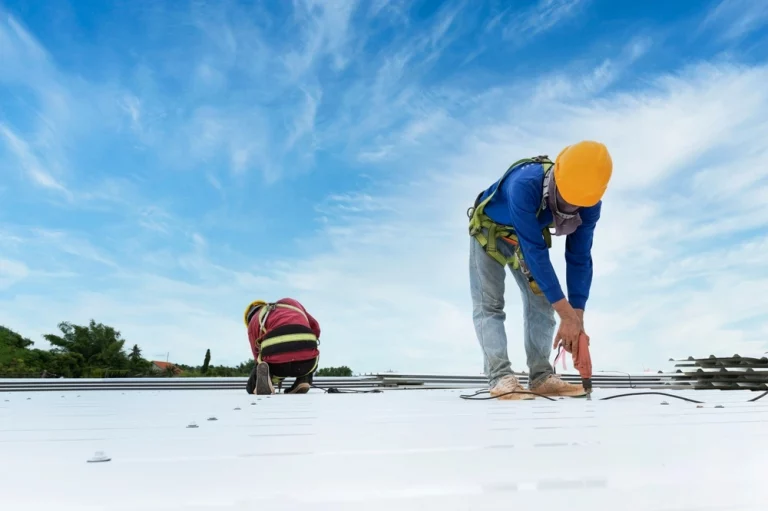
Adhering to safe and efficient work practices is vital for any roofing project. A reliable roofing contractor will prioritize safety by using appropriate gear, like hard hats and safety harnesses, to minimize risks. Clear communication about timelines and project milestones helps set expectations and ensures minimal disruption to your home life. Ensure that all projects comply with local building codes and regulations—this safeguards project quality and prevents legal issues. Additionally, quality control is crucial. Professional roofers should verify the completion of tasks at each stage, ensuring high standards.Enhancing Roof Longevity and Performance
 Effective strategies can prolong your roof’s life and improve its performance by addressing key areas. Focus on improving attic ventilation, using sealants precisely, and protecting against extreme weather to enhance longevity and reduce costly repairs.