Key Takeaways
- Focus on impactful areas like kitchens and bathrooms.
- Balance DIY projects with professional help for efficiency.
- Preserve the unique charm of your old home on a budget.

Setting a Realistic Budget
Creating a realistic budget is crucial when remodeling an old house. Consider your financial limits, decide how much to allocate for each part, and plan for any unexpected costs.Assessing Financial Constraints
Begin by evaluating your financial situation. Determine how much money you have available for the renovation. Review your savings, income, and any potential financing options. It’s important to know your financial boundaries to avoid overspending. Make a list of your essential monthly expenses and compare this with your project’s anticipated costs.This analysis will help you decide what you can realistically spend without straining your finances. A thorough financial assessment is the foundation for a successful home renovation budget.Allocating Funds Wisely
Allocate your funds strategically by breaking down the project into specific areas. Prioritize rooms or features that need the most attention, ensuring a balance between immediate needs and long-term improvements. Consider affordable materials and labor options to maximize your investment.It might be helpful to compare costs for materials from different suppliers or decide whether certain tasks can be done by you. This approach can provide savings in your renovation budget without sacrificing quality.Planning for Hidden Costs
Unexpected expenses are common during renovations. Reserve at least 20% of your budget to cover these hidden costs. These can arise from issues like structural damage, outdated wiring, or plumbing surprises during remodeling. Being financially prepared for these situations prevents unnecessary stress and ensures your project stays on track.Regularly update your budget as the project progresses to account for these adjustments. By planning for these hidden costs, you maintain control over your remodeling finances.Prioritizing Renovations
When remodeling an old house on a budget, it’s crucial to focus on areas that ensure safety, improve aesthetics, and increase value. Addressing these priorities will guide your renovation decisions effectively.Structural Integrity and Safety
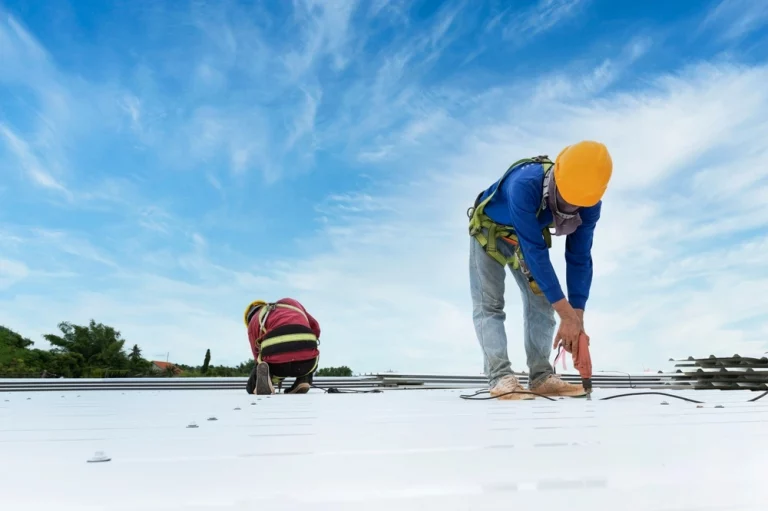
Ensuring the structural integrity and safety of your old home is vital. Start with a thorough assessment to identify any issues like foundation cracks or roof leaks. Prioritize repairs on these critical components, as they affect your home’s overall durability and safety.Consider other safety upgrades like updating electrical systems or addressing plumbing issues, especially in older homes. Replacing outdated wiring can prevent potential fire hazards.Invest in smoke detectors and carbon monoxide alarms, which are essential for safety. These updates not only protect your family but also add peace of mind.Aesthetic and Functional Upgrades
Upgrading the aesthetics and functionality of your home can transform both its appearance and livability. Begin by focusing on high-impact, cost-effective changes like painting walls or refinishing floors with budget-friendly materials.Kitchen and bathroom updates are often worth the investment, as these rooms significantly influence the home’s appeal. Opt for affordable cabinet refacing or new hardware to modernize these spaces without a complete overhaul.Consider how you can maximize existing space through clever storage solutions or by rearranging furniture. Improving natural light with strategically placed mirrors or light fixtures can also enhance your living spaces.Increasing Home Value
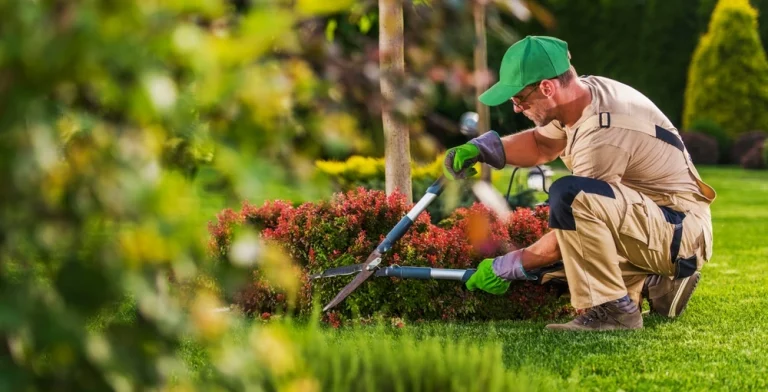
Making strategic improvements can boost your home’s value, an advantageous aspect of any renovation project. Focus on trends that appeal to potential buyers, such as energy-efficient upgrades or practical installations like insulation or double-glazed windows.Landscaping also plays a significant role in curb appeal. Regular maintenance, such as trimming bushes or planting native flowers, can make your property more inviting without substantial costs.Open floor plans are often desirable, so consider simple layout changes that create a feeling of openness. This often requires minimal structural alteration and can significantly increase both perceived value and marketability.Renovating with a focus on these priorities ensures that your investment goes further, delivering both immediate and long-term benefits.Kitchen and Bathroom Makeovers
 Updating your kitchen and bathroom doesn’t have to be costly. By focusing on targeted upgrades such as cabinets and bathroom elements, you can enhance functionality and aesthetics without breaking the bank.
Modernizing Kitchen Cabinets
Revamping kitchen cabinets is a high-impact, budget-friendly method of upgrading your kitchen space. Consider repainting the cabinets with a fresh, modern color to instantly uplift the ambiance. If your cabinets are in good shape, simply replacing old hardware with new, stylish handles can make a significant difference.For a more extensive update, remove the cabinet doors altogether to create an open shelving look, which adds a spacious feel. Installing peel-and-stick wallpaper on cabinet interiors can also introduce unexpected pops of design, keeping your budget in check while adding personality and depth.Efficient Bathroom Renovation
Transforming your bathroom can be achieved with just a few strategic changes. Begin by replacing caulk around tubs and sinks, as fresh caulking improves both appearance and function. A quick re-grouting can also make tiles look more pristine.For outdated fixtures, consider replacing them with water-efficient models to save resources and costs. A new coat of paint on the walls can invigorate the space, and adding a budget-friendly peel-and-stick backsplash can provide a refined look. These affordable enhancements contribute to a fresher and more modern bathroom aesthetic.DIY Projects and When to Hire Professionals
When remodeling an old house on a budget, it’s crucial to balance between do-it-yourself projects and hiring professionals, especially when dealing with demolition, repairs, and complex tasks. Understanding the scope and complexity of these tasks can save both time and money.Taking Care of Demolition
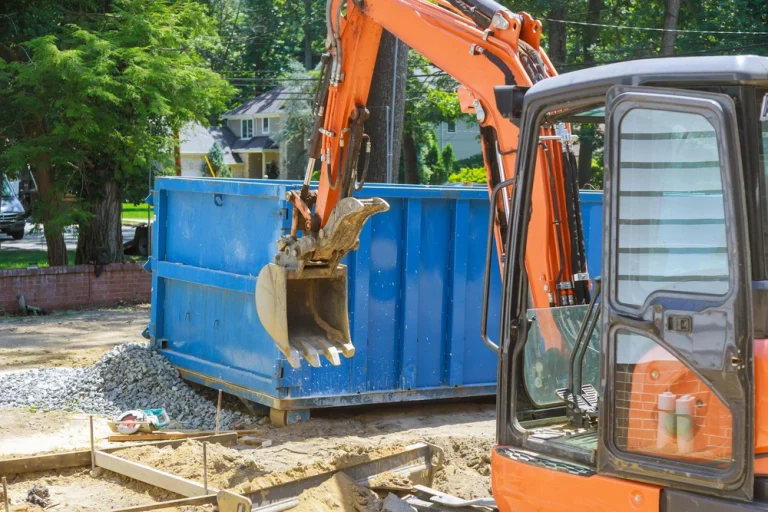
You can often handle demolition yourself, saving significantly on labor costs. Rent a local dumpster to manage debris efficiently. Simple tasks like removing old cabinetry or tearing down non-load-bearing walls are manageable for most homeowners. Ensure you wear protective gear and have a clear plan before starting.Check local regulations, as some types of demolition might require permits. Tread carefully near plumbing and electrical work to avoid unplanned complications.Tackling Manageable Repairs
Repairs like painting, refinishing hardwood floors, or installing new light fixtures are suitable DIY projects. Not only do these tasks typically not require specialized tools or permits, but they also add up to noticeable improvements. For instance, sanding and staining hardwood floors can give rooms a fresh, updated look.Online tutorials and guides can help you navigate these projects. Always invest in quality materials to ensure durability and longevity.Seeking Expertise for Complex Tasks
For more complex renovations, hiring professionals is often necessary. Projects involving structural changes, electrical wiring, or extensive plumbing should be handled by experts. Professionals bring experience and access to better pricing on materials. They can provide insights into design choices and help avoid costly mistakes.While more expensive upfront, professional guidance often prevents issues that could arise from DIY attempts, ensuring both safety and adherence to building codes.Maintaining the Charm of an Old House
 Maintaining the charm of an old house involves careful attention to both preserving original features and updating in ways that respect its history. By focusing on these aspects, you can keep the unique beauty of the home intact while making necessary modernizations.