Key Takeaways
- Plan thoroughly and consider logistics early.
- Include important legal and design details in your checklist.
- Efficient execution relies on preparation and organization.

Planning and Preparation
To ensure a successful renovation, you should focus on defining clear goals, managing your budget and timeline, and finding the right design inspiration. These elements will guide your project and help avoid common pitfalls.Establishing Renovation Goals
Begin by pinpointing what you hope to achieve with your renovation. Define if you need a functional upgrade, such as improved kitchen layout, or an aesthetic update with new design features. Prioritize must-haves versus nice-to-have elements by differentiating between essential changes and wish-list items. This clarity ensures your renovation stays on track, meeting your needs without getting sidetracked by unnecessary distractions.Document your goals and communicate them clearly with contractors and designers. This helps align everyone involved in the project with your vision.Creating a Budget and Timeline
Crafting a comprehensive budget and timeline is crucial. Outline your financial capabilities and allocate funds for different aspects of the renovation, such as materials, labor, and unexpected costs. Be realistic about what you can afford and account for a contingency fund for surprises.For your timeline, set achievable deadlines for each renovation phase. Break down tasks week by week, ensuring you have enough time for planning, construction, and adjustments. This method will help maintain momentum and keep the project on track, minimizing stress and ensuring timely completion.Choosing Design Inspiration
Gathering design inspiration is an integral part of the planning process. Explore platforms like Pinterest boards or design blogs to find home design styles that resonate with you. Save images and articles that reflect your aesthetic preferences and use them to create a cohesive look for your space.Evaluate different interior design themes, colors, and materials to understand what fits your vision. This research aids in making informed choices, ensuring your space reflects your personal style while enhancing functionality.Design and Professional Team
In a home renovation project, assembling the right team and developing design plans are critical steps. You’ll be working closely with both designers and contractors to bring your vision to life, focusing on floor plans and the coordination of professional help.Hiring a Designer and Contractor
When you embark on a renovation, hiring the right professionals sets the stage for success. Start by identifying designers who have experience with your type of project. Look for portfolios that showcase styles you like, and pay attention to their past clients’ feedback. This will help you gauge if they align with your vision.To hire a contractor, prioritize those with strong reputations in your area. Check references, licensing, and insurance. It’s vital to ensure they have experience with similar home renovation projects, as this ensures they understand the intricacies involved. Clear communication with your renovation team from the start builds a solid foundation for your work together.Developing Design Plans
Developing design plans involves creating specific floor plans and selecting materials that fit your goals. Collaborate closely with your designer to explore various layout options and visual styles. This is the time to refine your ideas into practical solutions, considering both aesthetics and functionality.Your designer will help translate your vision into detailed drawings that the contractor will execute. During this stage, you should ensure all plans account for the existing structure, any needed permits, and project timelines. Regular meetings with your renovation team will keep everyone aligned and address any challenges promptly.Legal and Logistical Readiness
 When undertaking a home renovation, it’s crucial to address statutory requirements and logistical arrangements. This includes obtaining the necessary permits and planning for effective waste management to keep your project on track and compliant with local regulations. By ensuring these aspects are handled, you facilitate a smoother remodeling process and avoid potential delays.
Securing Permits and Licenses
Before starting your home remodel, check the local building codes to determine what permits and licenses are required. Common projects needing permits include electrical upgrades, structural changes, and significant plumbing work. Contact your municipal office or consult a professional to ensure you’re aware of the specifics for your location.Drafting a realistic timeline is pivotal. Factor in the time it might take for permit approval, which can vary depending on your area’s workload and the complexity of your project. Starting this step early can help avoid delays in your renovation schedule. Keep a record of all documents filed and received to maintain a clear trail for future reference or inspections.Planning for Waste Management
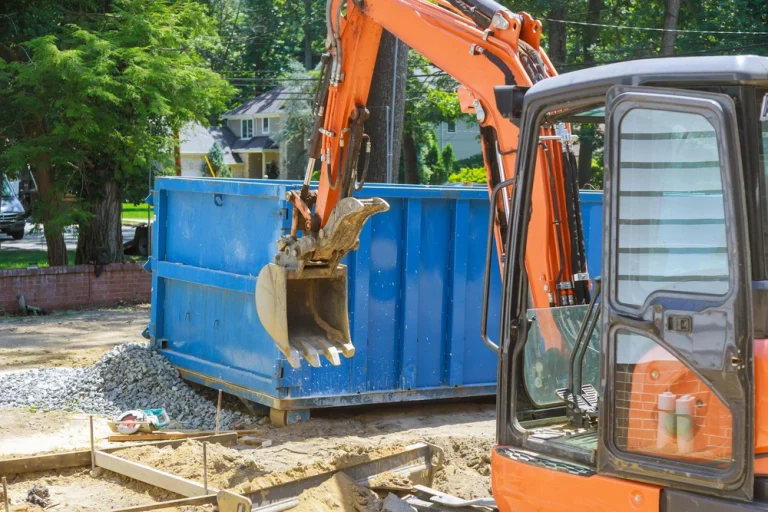
Efficient waste management is an essential aspect of renovation logistics. Determine the type and volume of debris expected, and arrange for appropriate disposal methods. Using a structured plan to handle dust and debris will prevent worksite hazards and fines.Consider renting a local dumpster or hiring a waste removal service, ensuring compliance with local disposal regulations. Some areas may have specific requirements for recycling construction materials, so inquire with local waste management services. Scheduling regular pickups can keep your site clean and more efficient, contributing to maintaining your project’s timeline and enhancing worksite safety.Executing the Renovation
When executing a renovation project, clear planning and execution are key. This phase encompasses critical tasks like demolition, carpentry, and systems installation. Each step requires attention to detail to avoid setbacks and ensure high-quality results.Demolition and Structural Work
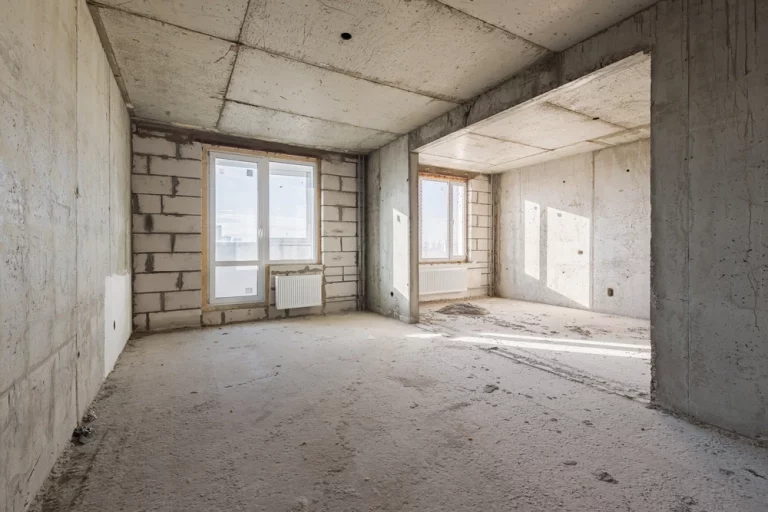
Start with demolition, clearing space for new improvements. This involves removing non-load-bearing walls, old fixtures, and unwanted structures. Safety is crucial—wear protective gear and ensure the stability of load-bearing elements. For larger projects, consider hiring professionals to prevent damage to essential structures.Structural work might involve altering floor plans or reinforcing existing structures. It’s vital to comply with local building codes, requiring permits for significant changes. This process paves the way for the integration of new systems and design features, setting the stage for transformation in spaces like a kitchen remodel.Carpentry and Flooring
Carpentry brings in foundational elements such as wall framing, cabinetry, and trim work. Quality craftsmanship ensures durability and enhances the aesthetic appeal of your home improvement project. Precise measurements and professional assembly are important, especially for custom-built elements like built-in shelves or a new kitchen island.Flooring installation follows, with options like hardwood, laminate, or tile. Each choice has its own benefits and maintenance requirements, impacting the overall design and functionality. For example, tiles offer durability and are suitable for areas with high moisture, making them ideal for kitchens and bathrooms. Consider your needs and preferences when selecting materials.Plumbing and Electrical Systems
Upgrading or installing plumbing systems and electrical components is crucial for functionality. Plumbing work can include moving or installing sinks, toilets, and water supply lines. Using licensed professionals is important to ensure compliance with safety standards and to avoid costly mishaps.Electrical installations may involve new wiring, outlets, and lighting fixtures. Modernizing these systems can significantly improve energy efficiency and convenience. Tasks like rewiring or setting up smart home technology enhance both safety and usability, supporting features like under-cabinet lighting or new kitchen appliances.Insulation, Drywall and Painting
Proper insulation is essential for energy efficiency and comfort. Materials like fiberglass or foam boards can enhance thermal performance, reducing heating and cooling costs. Pay attention to crucial areas such as attics and exterior walls, where insulation has the most significant impact.Once insulated, drywall installation shapes the spaces and creates smooth surfaces for finishing. After sanding and priming, move to painting. Choose colors that reflect the ambiance you wish to create; lighter hues can open up space, while darker tones might add warmth. Investing in durable, high-quality paint ensures your newly revamped areas withstand the test of time.Finishing Touches
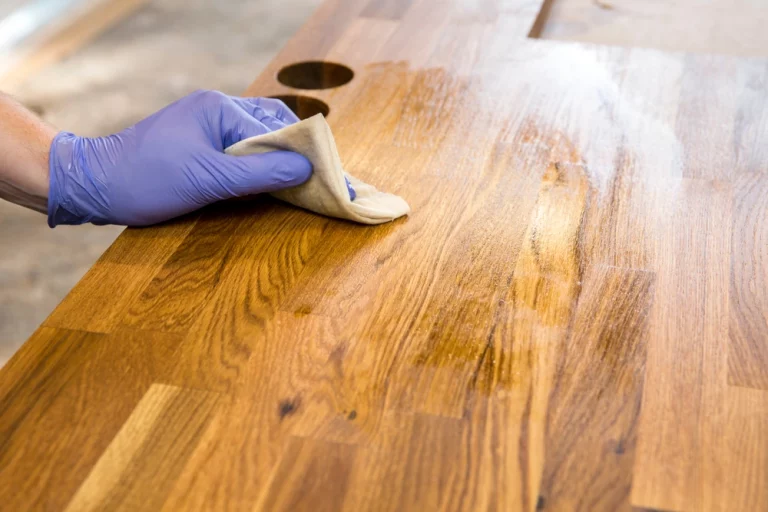
 Completing a home renovation involves adding the final details to transform the space. This stage includes installing essential fixtures, thoroughly cleaning the area, and enhancing the home’s exterior for improved curb appeal.