1) Dispose of Hazardous Materials at Designated Facilities
 When dealing with hazardous materials on construction sites, you must prioritize safety and compliance with regulations. Ensure that all hazardous waste is transported to facilities specifically designated for handling such materials. This prevents environmental contamination and protects public health.
You should familiarize yourself with local regulations concerning hazardous waste disposal. Adhering to these guidelines is crucial for legal compliance and helps reduce the risk of costly fines and penalties.
Utilize specialized services for hazardous waste removal whenever possible. Professionals are equipped with the necessary tools and knowledge to handle dangerous substances safely. They can also assist in navigating complex regulatory frameworks, ensuring your site remains in full compliance.
Remember that some materials, such as asbestos, require specific packaging and labeling before disposal. Adhering to these requirements is essential for safe transportation and disposal at the designated facility.
When dealing with hazardous materials on construction sites, you must prioritize safety and compliance with regulations. Ensure that all hazardous waste is transported to facilities specifically designated for handling such materials. This prevents environmental contamination and protects public health.
You should familiarize yourself with local regulations concerning hazardous waste disposal. Adhering to these guidelines is crucial for legal compliance and helps reduce the risk of costly fines and penalties.
Utilize specialized services for hazardous waste removal whenever possible. Professionals are equipped with the necessary tools and knowledge to handle dangerous substances safely. They can also assist in navigating complex regulatory frameworks, ensuring your site remains in full compliance.
Remember that some materials, such as asbestos, require specific packaging and labeling before disposal. Adhering to these requirements is essential for safe transportation and disposal at the designated facility.
2) Donate Usable Materials to Construction Recycling Programs
Donating usable construction materials can significantly reduce waste. Programs often accept materials like doors, windows, plumbing fixtures, and lumber. These items can be repurposed or sold, giving them a second life. You can contact local recycling centers or programs in your area to find out what materials they accept. This practice not only helps minimize waste but also supports community sustainability efforts. Consider working with organizations that specialize in building material recovery. They often have systems in place to effectively sort, transport, and distribute donated materials. This approach ensures that your surplus items are efficiently utilized. By donating, you contribute to a circular economy, keeping valuable resources in use and out of landfills. This simple action can make a meaningful impact on environmental conservation efforts.3) Utilize waste management services for bulk debris
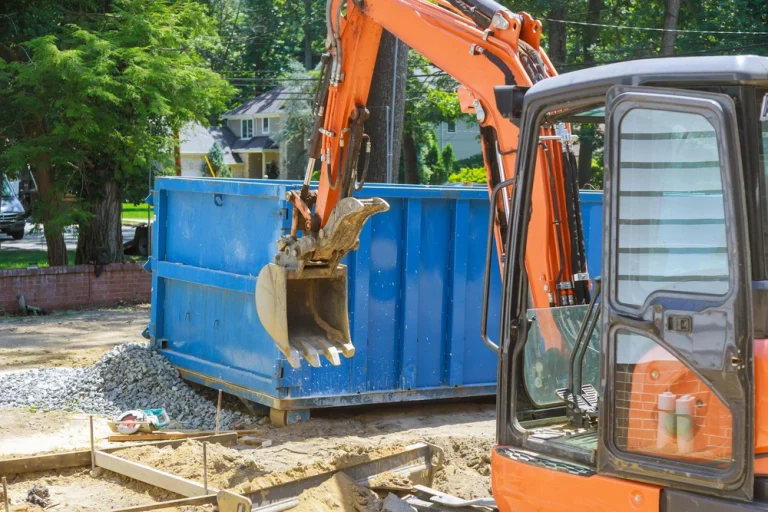
Handling bulk debris is essential in construction. Waste management services offer efficient solutions for large-scale disposal needs. Renting a dumpster is a practical choice, as it provides an accessible and centralized location for waste collection. Evaluate the size and scope of your project to determine the appropriate dumpster size. Many companies offer online tools to help you select and schedule a dumpster delivery. This can streamline the entire process. Consider ongoing waste removal services to maintain a clean and organized site. This not only supports a healthier work environment but also keeps your project on schedule. Services such as those provided by Waste Removal USA prevent excess buildup of construction debris. Using waste management services ensures proper handling and disposal while reducing environmental impact. Enforcing such strategies promotes sustainability and compliance with local regulations.4) Separate recyclable materials on-site for easier processing
 Setting up dedicated bins for materials like metal, wood, and concrete helps streamline the recycling process. This organization means materials aren’t contaminated, enhancing their recyclability.
Establish segregation stations to facilitate this process. These stations clearly mark where different types of waste should be disposed of, assisting your crew in maintaining a clean and efficient work environment.
Training your construction crew on the importance of waste segregation is crucial. Reinforcing these practices ensures that everyone understands their role in responsible waste disposal. This step not only promotes environmental benefits but also can reduce disposal costs over time.
Setting up dedicated bins for materials like metal, wood, and concrete helps streamline the recycling process. This organization means materials aren’t contaminated, enhancing their recyclability.
Establish segregation stations to facilitate this process. These stations clearly mark where different types of waste should be disposed of, assisting your crew in maintaining a clean and efficient work environment.
Training your construction crew on the importance of waste segregation is crucial. Reinforcing these practices ensures that everyone understands their role in responsible waste disposal. This step not only promotes environmental benefits but also can reduce disposal costs over time.
5) Explore local landfill restrictions and guidelines
Understanding local landfill restrictions is essential in construction waste management. Regulations can vary significantly depending on your location. Before starting a project, make it a priority to familiarize yourself with the specific landfill regulations in your area. Not all materials are accepted at landfills. Hazardous materials, certain types of construction debris, and recyclable items might be restricted. Knowing these limitations helps you plan effective waste disposal methods. Contact local waste management authorities for detailed guidelines. They provide insights into what is accepted and any special handling required. This ensures compliance and smooth disposal processes across your projects.6) Use licensed disposal centers for chemical waste
Using licensed disposal centers for chemical waste is crucial to ensure safety and compliance. These centers are equipped to handle and dispose of waste according to regulations. By choosing a licensed provider, you minimize the risk of environmental contamination and health hazards. Proper disposal at licensed centers also shields you from legal liabilities. Regulations hold waste generators responsible, regardless of who disposes of the waste. Moreover, utilizing these centers helps maintain your reputation by demonstrating a commitment to safety and environmental responsibility. Partnering with reputable centers can be cost-efficient too. They often offer services like waste categorization and recycling. For example, companies like GFL Environmental provide comprehensive waste management solutions, reducing long-term costs and enhancing operational efficiency.7) Coordinate with regional eco-friendly disposal initiatives
 Collaborating with regional eco-friendly disposal initiatives can enhance your construction project’s sustainability. These programs often provide specialized services tailored to eco-conscious waste management. By connecting with these initiatives, you can ensure that waste is managed responsibly, reducing the environmental footprint.
Participating in local collection programs for hazardous waste is crucial. Many communities have specific days or drop-off points dedicated to such waste, preventing contamination of local ecosystems. Make sure to label hazardous materials properly and follow local guidelines for disposal.
Partnering with green disposal services offers another advantage. These companies focus on recycling and responsible waste treatment. By choosing such partners, you contribute to a more sustainable construction industry. Engaging with regional programs not only meets regulatory requirements but also enhances your project’s reputation for environmental responsibility.
Collaborating with regional eco-friendly disposal initiatives can enhance your construction project’s sustainability. These programs often provide specialized services tailored to eco-conscious waste management. By connecting with these initiatives, you can ensure that waste is managed responsibly, reducing the environmental footprint.
Participating in local collection programs for hazardous waste is crucial. Many communities have specific days or drop-off points dedicated to such waste, preventing contamination of local ecosystems. Make sure to label hazardous materials properly and follow local guidelines for disposal.
Partnering with green disposal services offers another advantage. These companies focus on recycling and responsible waste treatment. By choosing such partners, you contribute to a more sustainable construction industry. Engaging with regional programs not only meets regulatory requirements but also enhances your project’s reputation for environmental responsibility.
Understanding Contractor Disposal
Contractors play a key role in managing waste generated during construction projects. Proper disposal practices ensure environmental safety and adherence to legal standards.The Importance of Proper Disposal
Ensuring proper disposal of construction waste is critical. It minimizes the environmental impact of your projects and protects the surrounding ecosystem. You should separate waste into categories like recyclable, hazardous, and biodegradable. Using labeled containers helps maintain organization on-site and prevents hazardous waste from contaminating other materials. Mismanagement of waste can lead to hefty fines and tarnished reputations. Clients increasingly favor contractors who prioritize sustainable practices. Opting for responsible disposal methods, such as recycling, demonstrates commitment to sustainability. It also reduces the amount of waste sent to landfills, supporting community health and well-being.Regulatory Compliance
Compliance with waste disposal regulations is mandatory. You must familiarize yourself with local, state, and federal guidelines concerning construction waste. Penalties for non-compliance can be severe, including fines or legal action. Stay updated on changes in regulations by consulting with environmental agencies and attending industry workshops. Consider partnering with firms that specialize in construction waste disposal, as they are well-versed in the latest requirements. This collaboration ensures that you meet all legal obligations and maintain the trust of your clients. Thorough record-keeping, including waste type, quantity, and disposal method, helps in audits and demonstrates compliance. Using technology to track waste ensures accuracy and efficiency in meeting regulatory demands.Environmental Considerations
 Understanding how to minimize environmental impact and implement sustainable disposal methods is crucial for contractors. By integrating these practices, you can contribute to a more eco-friendly construction industry while complying with regulations.