Key Takeaways
- Renting a dumpster helps in managing large yard waste.
- Consider your waste type and amount for the right disposal method.
- Comply with local rules for responsible yard waste disposal.

Understanding Yard Waste
Yard waste is a combination of organic materials commonly generated from routine gardening and landscaping activities. These include leaves, grass clippings, and other yard debris, each playing a role in environmental dynamics.Types of Yard Waste
Yard waste typically comprises leaves, grass, branches, and brush. Leaves are abundant during fall and crucial for composting. Grass clippings are another common component, often left on lawns as natural fertilizers. Branches and brush are larger, bulkier waste types that can be challenging to manage. These can be efficiently handled with a yard waste dumpster rental, allowing you to dispose of significant volumes conveniently. Proper separation of these items aids in effective recycling and composting efforts, minimizing the load at landfills.Environmental Impact of Yard Waste
Improper disposal of yard waste may contribute to pollution. When organic materials like grass clippings and leaves decompose in landfills, they may produce methane, a potent greenhouse gas. Composting offers a solution by turning yard debris into valuable soil amendments, reducing waste and lowering greenhouse gas emissions. Utilizing available local composting facilities or your own backyard setup can help manage waste responsibly. Addressing these impacts helps you contribute positively to environmental sustainability efforts by minimizing ecological footprints and reducing waste sent to landfills.Methods of Yard Waste Disposal
Proper disposal of yard waste is crucial for maintaining a healthy environment and efficient waste management. These methods focus on enriching your garden while minimizing landfill contributions.Composting at Home
Composting is an effective way to handle yard waste right in your backyard. This method turns organic waste into nutrient-rich compost, which can enrich your soil. You can create a compost pile or use a compost bin to manage grass clippings, leaves, and small branches. Maintaining the right balance of green (nitrogen-rich) and brown (carbon-rich) materials is vital for successful composting. Keep the pile moist and aerated by turning it regularly. This decomposition process transforms organic materials into a valuable resource for your garden, reducing the need for commercial fertilizers. Using home composting saves on waste disposal costs and contributes to sustainable practices. Communities often offer resources and workshops on effective composting techniques, making it accessible for beginners.Yard Waste Collection Services
Many municipalities provide yard waste collection services that ensure organic materials are properly handled and recycled. Yard waste pickup can be scheduled through local waste management services, often aligning with regular trash collection days. You can take advantage of curbside pickup, where you place your yard waste in designated containers for collection. These services typically accept leaves, grass clippings, and pruned branches. For large volumes of yard waste, consider renting a yard waste dumpster. This option offers ample space for disposal during extensive landscaping projects or seasonal cleanups. Be mindful of regulations on what materials can be included to ensure compliance with waste recycling standards.Choosing the Right Disposal Method
 Selecting the appropriate way to dispose of yard waste involves evaluating the volume and type of waste. If you’re dealing with large quantities from a landscaping project, options like a local dumpster rental or junk removal service could be beneficial. For more eco-friendly solutions, consider methods to recycle organic debris such as mulching and composting.
Dumpster Rental vs. Junk Removal Service
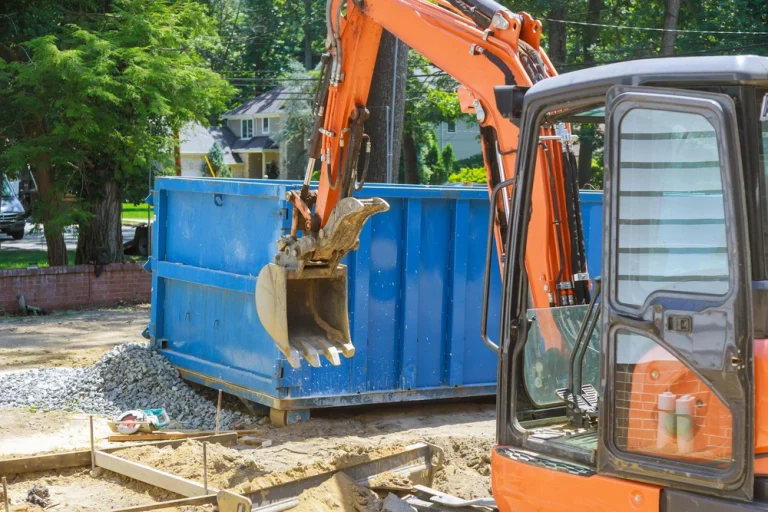
A dumpster rental can be particularly useful when you have a significant amount of yard waste, like branches, trimmings, and leaves. These rentals offer flexibility, allowing you to fill the dumpster over several days at your own pace. This can be advantageous during extensive landscaping projects where large volumes of organic debris accumulate. On the other hand, a junk removal service is ideal if you prefer convenience. This service involves professionals collecting and disposing of your yard waste, which can include weeds and food scraps, without you having to lift a finger. This method is often more costly but saves you time and physical effort. Both options prevent waste from ending up in a landfill and offer efficient ways to manage yard waste disposal.Recycling Organic Debris
Recycling yard waste through mulching and composting not only reduces landfill waste but also enriches your garden. Mulching involves spreading a layer of materials, such as leaves or grass clippings, over soil to retain moisture and suppress weeds. This technique turns garden refuse into beneficial mulch for your plants. Composting is another effective method for recycling organic debris, including food scraps and plant trimmings. Building a compost pile requires brown and green materials, which decompose over time, creating nutrient-rich soil. You can also take organic waste to a transfer station that accepts compostable materials. These eco-friendly alternatives support sustainable gardening practices.Yard Waste Management Practices
 Efficient yard waste management involves organizing your waste for proper disposal and taking steps to minimize waste through regular maintenance. By segregating different types of yard waste and employing strategic upkeep techniques, you can manage your outdoor space sustainably and economically.