Key Takeaways
- Eco-friendly dumpster rentals align waste management with sustainability goals.
- Choosing responsible services supports regulatory compliance and reduces environmental impact.
- Green dumpster services are versatile for different project needs while promoting eco-conscious practices.

Foundations of a Green Business
Starting a green business involves creating sustainable practices that minimize environmental impact and align with legal standards. Elements such as reducing waste, reusing materials, and recycling form the core principles, while regulatory compliance ensures adherence to government environmental regulations.What Defines a Green Business
A green business prioritizes sustainability in its operations, products, and services. It focuses on reducing waste, conserving energy, and using eco-friendly materials. Such businesses aim to have a minimal negative impact on the environment while contributing positively to social and economic well-being. Clear goals for sustainability, transparent communication about environmental policies, and regular audits of environmental impact are essential. These practices help maintain credibility and build trust with consumers who value sustainability.The Three Pillars: Reduce, Reuse, Recycle
The principles of reduce, reuse, and recycle are integral to any green business. Reducing waste involves minimizing the use of resources and energy. You can achieve this by optimizing processes, using efficient technologies, and cutting down on unnecessary packaging. Reusing materials extends the life cycle of products. Implementing practices like refurbishing old equipment, repurposing materials, and encouraging customers to return used items can significantly lower waste. Recycling ensures that materials are processed for new uses rather than discarded. Establishing a recycling program, separating waste for proper disposal, and partnering with recycling facilities are crucial steps. Together, these pillars form the foundation of sustainable business practices.Government Regulations and Standards
Compliance with government regulations is critical for a green business. These regulations set benchmarks for environmental impact, ensuring businesses operate within legal frameworks designed to protect the environment. Key areas of regulatory compliance include waste management, emissions control, and energy efficiency standards. Adhering to these standards not only avoids legal penalties but also enhances your business’s reputation. Stay informed about changes in regulations and participate in industry groups to ensure that you meet or exceed compliance requirements. This proactive approach demonstrates your commitment to sustainability and positions your business as a leader in environmental stewardship.Implementing Sustainable Waste Management
Implementing sustainable waste management is essential for green businesses aiming to reduce their environmental impact. Key approaches include eco-friendly practices, reducing carbon footprint, and composting.Eco-Friendly Waste Management Practices
To implement sustainable waste management, start by conducting a waste audit. This helps in understanding the types and quantities of waste your business generates. Once you have this data, you can develop strategies tailored to reduce waste. Recycling is a crucial component. Ensure you have well-marked recycling bins for different types of materials like paper, plastic, and metals. Additionally, consider setting up a zero-waste kitchen in your office, which focuses on minimizing food and packaging waste. Engage your employees by providing education and training on sustainable practices. Regular workshops can help reinforce the importance of waste management and encourage participation.Reducing Carbon Footprint Through Waste Practices
Reducing your carbon footprint through waste management practices is another important goal. By implementing green waste management strategies, your business can significantly reduce greenhouse gas emissions. Focus on reusing and recycling materials as much as possible. This not only saves resources but also reduces the need for manufacturing new products, which often involves high energy consumption. Invest in energy-efficient waste collection and disposal systems. Ensure that your waste management contractors use vehicles that emit fewer pollutants. Additionally, reduce transportation needs by compacting waste onsite.Composting and Organics Recycling
Composting and recycling organic waste is a highly effective way to manage waste sustainably. Start by setting up compost bins in communal areas where organic waste like food scraps can be collected. Consider collaborating with local organic recycling programs. These initiatives can help turn your organic waste into valuable compost, which can be used to enrich soil in local community gardens or farms. Educate your staff on the benefits of composting. Make it easy for them to participate by providing clearly labeled bins and instructions. This not only helps reduce landfill waste but also supports soil health and reduces the need for chemical fertilizers. By focusing on these specific practices, you can create a comprehensive and effective sustainable waste management system in your business.Eco-Friendly Dumpster Rental Services
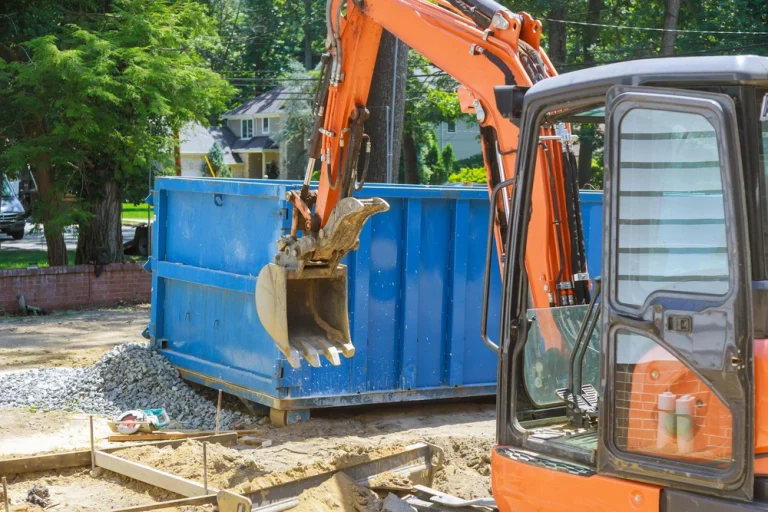
 Eco-friendly dumpster rentals help businesses reduce their environmental impact while ensuring compliance with regulations. These services offer various benefits including cost-effectiveness, sustainable disposal, and availability of different dumpster options.
Advantages of Eco-Friendly Dumpster Rentals
Eco-friendly dumpster rentals are designed to minimize your environmental footprint. These dumpsters are constructed to handle recyclable materials efficiently, reducing the amount of waste sent to landfills. By using such services, you can significantly cut down on greenhouse gas emissions and other pollutants. Another advantage is the commitment to sustainable disposal methods. Companies managing eco-friendly dumpsters prioritize recycling and responsible waste management. They ensure that waste is sorted properly, and recyclable materials are redirected towards appropriate facilities, making waste management both efficient and environmentally friendly.Choosing the Right Dumpster Rental Provider
Selecting the right provider is crucial for meeting your green business goals. Look for companies that emphasize sustainable practices in their operations. For instance, Waste Removal USA offers environmentally-friendly dumpster rental services tailored to support your eco-friendly initiatives. Check whether the provider offers different types of roll-off dumpsters to cater to various waste disposal needs. Providers that focus on reducing their carbon footprint with energy-efficient waste collection methods are preferable. Evaluate customer reviews and ratings to get an idea of their reliability and eco-friendliness.Compliance and Eco-Friendly Dumpster Options
Compliance with waste disposal regulations is essential for any business. Choosing an eco-friendly dumpster rental service ensures that you meet local and federal regulations on waste management. These providers are knowledgeable about the necessary compliance and often assist you in navigating through the regulations. Eco-friendly dumpsters come in various options, including roll-off dumpsters that are designed for efficient waste management. Such dumpsters are often better at segregating waste, which makes them suitable for sustainable disposal practices. By opting for these, you help reduce landfill use and contribute to a lower carbon footprint.Cost-Effectiveness of Eco-Friendly Dumpster Rentals
Although some might think eco-friendly dumpster rentals are more costly than traditional dumpsters, they can be surprisingly affordable. These services often include recycling and sorting, which can lower your overall waste disposal costs. For instance, the use of energy-efficient equipment can cut down operational expenses. Many companies offer competitive pricing to make sustainable waste management accessible for businesses of all sizes. Opting for eco-friendly dumpsters can also enhance your business’s reputation, attracting eco-conscious clients and partners. Additionally, efficient waste management can lead to long-term savings by reducing waste generation and disposal fees.Benefits of Going Green
Adopting green practices in your business provides numerous benefits. These advantages span environmental and economic impacts, improved brand image, and positive effects on climate change and human health.Environmental and Economic Benefits
Implementing green business strategies can lead to significant environmental impact reductions, including lower carbon emissions and enhanced resource conservation. Energy-efficient technologies, such as LED lighting and renewable energy sources, reduce operating costs and utility bills. According to Forbes, businesses experience notable cost savings through these energy reductions. Additionally, green buildings use 25% to 35% less energy and have 20% lower maintenance costs compared to traditional buildings, based on COSE. By minimizing waste and enhancing efficiency, businesses not only save money but also contribute positively to environmental preservation.Enhancing Brand Image and Reputation
Going green significantly boosts your company’s brand image and reputation. Consumers increasingly prefer businesses that demonstrate a commitment to sustainability. As highlighted by Maryville Online, sustainability initiatives show that your company prioritizes societal and environmental well-being over just profits. Additionally, an IBM study found that 70% of workers prefer to work for sustainable companies. This attraction and retention of top talent can lead to a more motivated and loyal workforce, further enhancing your business’s reputation in the marketplace.Impact on Climate Change and Human Health
Your green practices play a crucial role in combating climate change by reducing carbon emissions and promoting cleaner air. According to ForestNation, energy-efficient measures lead to substantial environmental benefits by lowering greenhouse gas emissions. A healthier environment directly translates to improved human health. Reduced pollution levels decrease the prevalence of respiratory and cardiovascular diseases. By adopting green practices, your business contributes to a healthier community and a more sustainable planet, fostering long-term public health benefits.Monitoring and Evolving Green Practices
 Tracking progress and continually updating green practices are vital for your green business. Focus on sustainability metrics, staying ahead with eco-friendly innovations, and educating the community to foster green initiatives.
Continuous Improvement and Sustainability Metrics
Monitoring sustainability metrics is essential for understanding your environmental footprint. Collect data on energy consumption, water usage, and waste production. Use this data to set measurable goals for reducing landfill waste and increasing energy efficiency. Metrics to Track:- Energy consumption per unit produced
- Water usage per unit produced
- Percentage of waste recycled versus sent to landfill
Staying Ahead with Eco-Friendly Innovations
Innovation is key to maintaining a competitive advantage. Invest in renewable energy sources such as solar or wind power to reduce reliance on fossil fuels. Incorporate smart technology to monitor real-time data on resource consumption. Innovative Practices:- Renewable energy installations
- Energy-efficient machinery
- Sustainable packaging solutions
Educating the Community and Fostering Green Initiatives
Your role extends beyond internal practices. By educating your community, you promote broader adoption of green practices. Host workshops and seminars focused on responsible waste management and waste segregation techniques. Community Engagement Ideas:- Workshops on composting and recycling
- Community clean-up events
- Educational campaigns on climate change