Key Takeaways
- Incorporate concrete dumpster rentals to simplify disposal.
- Recycling concrete blocks supports sustainability.
- Repurposing blocks offers creative reuse options.

Understanding Concrete Disposal
Proper concrete disposal involves considering environmental impacts and choosing suitable disposal methods. Your approach will influence landfill usage, recycling efforts, and contribute to sustainable construction practices.Environmental Considerations
When disposing of concrete, environmental responsibility is paramount. Dumping concrete into landfills significantly adds to mass, affecting space and creating long-term environmental challenges. Concrete can be recycled, reducing landfill impact and conserving natural resources. Recycling offers a way to repurpose old concrete, reducing the need for new raw materials. Landfill space is saved, and the environmental footprint of construction projects is minimized. Prioritize recycling or repurposing concrete to support sustainable construction practices and reduce waste.Concrete Disposal Methods
Several methods exist for effective concrete disposal. Taking the concrete to a landfill is an option but consider recycling centers specializing in construction and demolition waste. These facilities separate and recycle concrete parts into usable aggregates for new projects. Using a dumpster rental service can streamline the process. Ensure the chosen service can handle concrete waste and schedule both drop-off and pick-up. Each method has costs, so explore options based on your specific needs and environmental goals. Leveraging these disposal methods ensures you manage waste responsibly while contributing to a healthier environment. Each approach impacts sustainable construction and reflects a commitment to environmental preservation.Preparing for Disposal
Proper preparation is essential for the efficient disposal of concrete blocks. This involves sorting clean concrete from other materials and ensuring that any potentially harmful contaminants are removed.Sorting Clean Concrete
When disposing of concrete, it’s crucial to separate clean concrete from other construction debris. Clean concrete refers to concrete that is free from contaminants like paint, adhesives, and chemicals. Sorting this type of concrete can make disposal and recycling more straightforward and cost-effective. You can typically identify clean concrete by its lack of additional substances and its generally uniform color and texture. Steps for Sorting:- Inspect the Material: Look for signs of contamination.
- Separate Clean Sections: Use tools to break and sort the concrete.
- Dispose Properly: Direct clean concrete to recycling centers or disposal sites.
- Reduced Disposal Fees: Clean concrete often incurs lower charges at recycling centers.
- Environmental Impact: Clean concrete is more easily reused or recycled, reducing landfill waste.
Removing Contaminants
Successfully disposing of concrete may require removing contaminants to meet local regulations and recycling requirements. Contaminants such as oils, paints, and various chemicals can hinder the recycling process and pose environmental hazards. Common Contaminants:- Paint and Adhesives: These need to be chipped or blasted off.
- Oils and Chemicals: Clean these with appropriate solvents and safety measures.
- Metal Rebars: Use cutting tools to remove embedded metals.
- Identify Contaminants: Assess what types are present.
- Choose Removal Methods: Select the proper techniques and tools.
- Execute Removal: Carefully remove the contaminants, ensuring the safety and integrity of the clean concrete.
Recycling Options and Benefits
 Recycling concrete blocks provides a sustainable solution for managing construction waste while also offering several practical advantages. You can find multiple local options and environmental benefits when choosing to recycle your concrete blocks.
Local Recycling Centers
Local recycling centers often accept concrete blocks and other construction waste. Facilities equipped with heavy machinery break down large pieces into smaller, reusable materials. Many cities have centers dedicated to handling concrete waste, which are often part of the local public works department. Contact your city’s public works department to locate these centers. Additionally, certain companies offer on-site crushing services, converting concrete into aggregate that can be reused in various construction projects. This can save you the effort of transporting heavy materials. Proper preparation like cleaning and sorting the concrete blocks helps ensure smooth recycling. Some recycling centers may require concrete free of contaminants like metal and wood, so verify their specifications before your visit.Benefits of Recycling Concrete Blocks
Recycling concrete blocks contributes significantly to sustainability and environmental protection. By reusing concrete, you reduce the need for raw materials, which helps conserve natural resources. Concrete recycling also reduces landfill waste, aiding in sustainable waste management practices. Recycled concrete can be used in manufacturing new concrete blocks, paving stones, and other building materials, promoting green building practices. The Environmental Protection Agency supports these initiatives as they lower carbon footprints and reduce energy consumption. In addition, recycling concrete can be cost-effective. Using recycled materials is often cheaper than purchasing new ones, and you may save on landfill fees. These benefits make it a practical choice for sustainable construction and urban development.Disposal Services and Rentals
Proper disposal of concrete blocks requires careful planning and selection of the right services. Consider junk removal services or local dumpster rentals to handle large quantities effectively.Junk Removal Services
Junk removal services are a convenient option for concrete block disposal. These services handle all aspects of removal, from loading to transportation. A professional junk removal company will send a team to your location with the necessary equipment to lift and haul the concrete. Choosing a reputable junk removal service can save you time and physical effort. Many of these services offer eco-friendly options by taking your concrete blocks to a construction and demolition recycling center. This reduces the environmental impact and can often be arranged quickly. Costs for junk removal services vary. Factors include the volume of concrete, distance to the disposal site, and the specific company’s pricing structure. It’s crucial to get a quote in advance to avoid unexpected expenses.Dumpster Rental
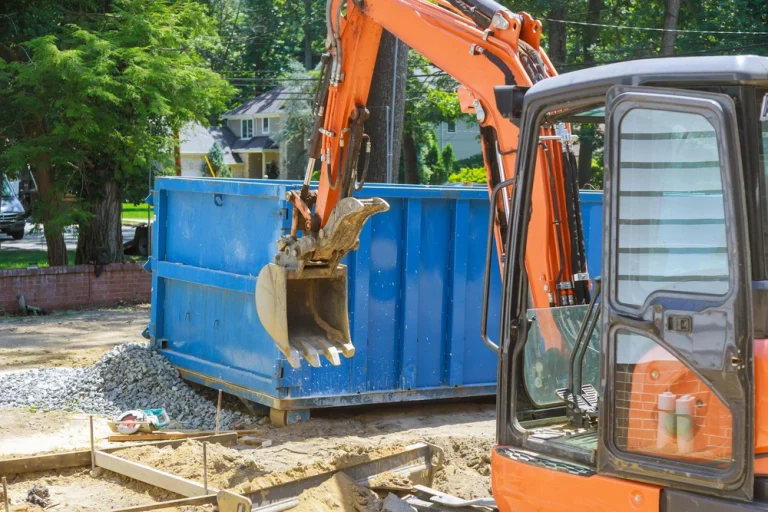
Dumpster rental provides a flexible solution for ongoing projects. You can choose the right size dumpster to fit your quantity of concrete blocks. Companies offering dumpster rentals typically have various sizes, from small 10-yard containers to larger 40-yard dumpsters. With a dumpster rental, you have the advantage of filling the container at your own pace. This is ideal for large-scale or long-term projects where concrete disposal is a recurring need. Coordinate with the rental company for timely drop-off and pick-up aligned with your project’s timeline. Ensure you select a dumpster large enough to hold all your waste to avoid extra fees for additional pickups. Dumpster rental companies may also offer eco-friendly disposal options by taking the concrete to recycling centers. Always check if the service includes transportation to a local landfill or recycling facility.Alternative Uses for Concrete Blocks
 Concrete blocks provide multiple opportunities for repurposing beyond their initial use in construction. They can serve practical purposes in both landscaping and community projects.