Key Takeaways
- Proper appliance removal improves property value and tenant satisfaction.
- Sustainable disposal options can benefit both the environment and your management practices.
- Strategic appliance management reduces costs and enhances rental appeal.

Understanding Landlord Responsibilities for Appliance Removal
Landlords have specific obligations regarding the removal of appliances, ensuring they meet legal standards, respect tenant rights, and avoid potential penalties for non-compliance. This section explores the key aspects of these responsibilities.Legal Obligations and Safety Standards
You must adhere to local housing and safety codes when removing appliances. Regulations often mandate safe disposal methods to prevent hazards. Compliance with these codes is essential to avoid legal repercussions.Proper disposal includes safely disconnecting appliances from utilities. For example, gas stoves must be detached by a certified professional to prevent leaks. Adhering to these safety standards not only shields you from legal issues but also ensures the safety of your tenants and property.Key considerations:- Follow local housing codes.
- Ensure safe disconnection and disposal.
- Engage certified professionals for hazardous appliances.
Tenant Rights and Lease Terms
Your responsibilities for appliance removal are often outlined in the lease agreement. Tenants have the right to a habitable living space, which includes functioning appliances. If an appliance provided under the lease breaks down, you may need to arrange its removal and replacement.Review your lease terms carefully regarding appliance maintenance and replacement. The lease agreement may specify whether the tenant or landlord is responsible for specific appliances’ upkeep and removal.Key points:- Review and adhere to lease terms.
- Recognize tenant rights to habitability.
- Address appliance breakdowns promptly.
Impact of Non-Compliance
Failure to comply with legal obligations and lease terms can lead to serious consequences. Housing authorities may impose penalties for habitability violations, which can include fines or legal action. Non-compliance with housing codes may also lead to tenant complaints and potential lawsuits.Ignoring these responsibilities not only risks legal repercussions but also damages your reputation as a landlord. Maintaining compliance helps protect both your property and tenant relations.Consequences of non-compliance:- Penalties and fines from housing authorities.
- Legal action from tenants.
- Potential habitability violations and legal repercussions.
Best Practices for Regular Appliance Upkeep
Ensuring that appliances in rental properties are regularly maintained not only extends their lifespan but also minimizes costly disruptions and repairs. Proper upkeep is essential for tenant satisfaction and long-term property value.Maintenance and Repairs
- Regular Inspections: To maintain appliances such as stoves, refrigerators, and washers, schedule bi-annual inspections. Look for wear and tear, leaks, or potential hazards. This proactive approach prevents larger issues.
- Cleaning Procedures: Ensure that tenants understand how vital regular cleaning is. For instance, clean refrigerator coils every six months and unclog dishwasher filters monthly. Clean stoves and ovens frequently to avoid grease buildup.
- Timely Repairs: Address repair needs promptly. A malfunctioning appliance can lead to further damage and inconvenience. Always use qualified technicians to ensure repairs meet safety standards.
- Tenant Education: Inform tenants about basic maintenance tasks they can perform. Provide guidelines on proper use and care. This helps in maintaining the appliances in better condition.
Appliance Lifespan and Replacement Indicators
- Monitoring Usage: Track the lifespan of your appliances. Refrigerators typically last 10-15 years, stoves about 15 years, and washers 10 years. Knowing these timelines helps in planning replacements.
- Performance Indicators: Pay attention to signs that an appliance needs replacement. Constant repairs, excessive noise, reduced efficiency, and visible wear are indicators. For example, if a refrigerator isn’t keeping food cold despite repairs, it might be time for a new one.
- Energy Efficiency: Replacing old appliances with energy-efficient models can be cost-saving in the long run. Energy-efficient refrigerators and stoves reduce utility costs and attract environmentally-conscious tenants.
- Documentation: Maintain records of all appliances, including purchase dates, warranty information, and service histories. This aids in making informed decisions about repairs and replacements.
Appliance Removal and Disposal Methods
 When it comes to removing and disposing of appliances in rental properties, landlords face several important choices. These include hiring professional removal services and opting for eco-friendly disposal methods. Understanding these options helps ensure compliance with regulations and promotes environmental responsibility.
Professional Removal Services
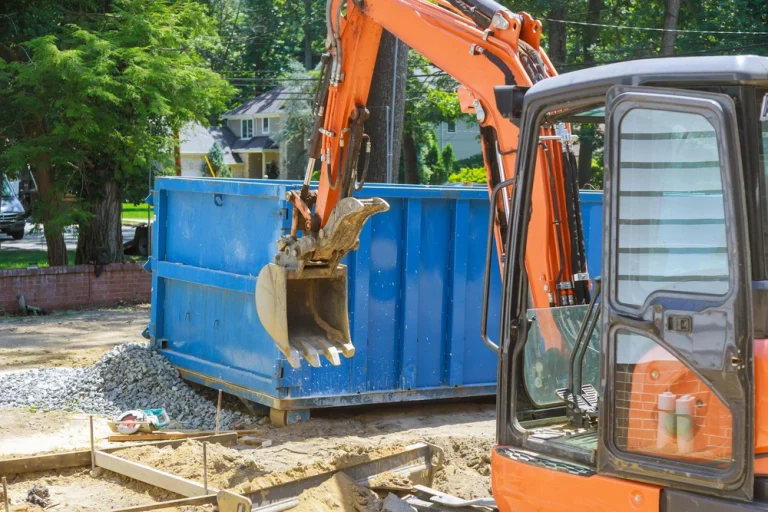
Professional removal services can streamline the process of getting rid of old appliances. Such services offer convenience, as they handle everything from pickup to proper disposal. By hiring a professional company, you avoid the hassle of renting a truck or buying tools.Additionally, professionals are well-versed in local regulations, ensuring that your appliance disposal complies with legal standards. This not only saves you time but also mitigates the risk of fines. Many companies also provide recycling options, reducing the impact on landfills and promoting sustainability.Opting for professional removal services can also be cost-effective. They prevent the need for multiple trips to disposal sites, reducing fuel costs and wear on personal vehicles. Considering these benefits, professional services are a practical choice for landlords looking to manage appliance removal efficiently.If you want to save even more money, you can do the appliance removal yourself with a dumpster rental. This can help you save money and avoid trips to the landfill. Just make sure you check the dumpster rental restrictions as you might have to prepare the appliances for the dumpster.Eco-Friendly Disposal Options
Eco-friendly disposal options are crucial for minimizing environmental impact. Recycling is a top choice as it converts old appliances into new products, conserving resources and reducing waste. Many areas offer recycling programs that accept various appliances, from refrigerators to microwaves.Landfills should be a last resort due to the environmental harm they cause. Instead, explore options such as donating functional appliances to local charities or programs that refurbish them for low-income families. Some manufacturers even offer take-back programs where they reclaim old units.Proper disposal of refrigeration units demands special attention. These appliances contain harmful chemicals that need to be carefully extracted and recycled. Following proper disposal methods for these units ensures compliance with environmental regulations and maintains your commitment to eco-friendly practices.Sustainable Alternatives to Appliance Disposal
When removing old appliances, landlords should explore options that promote sustainability, reduce waste, and minimize environmental impact. Key strategies include donating or repurposing items and recycling to lower the carbon footprint and support energy-efficient practices.Donation and Repurposing Opportunities
Donating or repurposing old appliances can benefit both the environment and community. Functional appliances can be given to local charities, shelters, or schools. Organizations like Goodwill and The Salvation Army often accept large items, providing tax deductions for donors.Repurposing is another way to extend the life of an appliance. Converting an old washing machine into a storage container or using a refrigerator as a pantry are creative examples. This not only keeps items out of landfills but also reduces the need for new products, cutting down on manufacturing demands and resource usage.Recycling and Reducing Carbon Footprint
Recycling programs for appliances ensure that valuable materials such as metal, plastic, and glass are reclaimed and reused. Many local governments and private companies offer recycling services specifically for large household items.Recycling appliances helps decrease environmental harm since components are processed and handled safely. Energy-efficient appliances reduce the overall carbon footprint. Encouraging tenants to replace outdated models with energy-saving versions can also contribute to sustainability efforts.For landlords seeking responsible disposal options, participating in these recycling programs is a critical step towards greener property management.The Economic Impact of Appliance Removal on Rental Properties
 The removal and replacement of appliances in rental properties play a significant role in cost management and property value. By carefully weighing the economic implications, landlords can make informed decisions that benefit both their investments and their tenants.
Cost-Benefit Analysis of Appliance Replacement
When considering appliance removal, one critical factor is conducting a cost-benefit analysis. Newer, energy-efficient appliances often result in lower utility bills, making them cost-effective in the long term. Although the initial purchase and installation costs may be high, the reduced energy consumption leads to significant savings.Additionally, some appliances may come with tax incentives or rebates for upgrading, further offsetting the costs. You should also factor in the costs associated with maintaining older appliances. Frequent repairs and higher energy consumption can outweigh the benefits of retaining outdated units, thus justifying their replacement.Influencing Rental Market Value
Replacing old appliances can significantly influence the rental market value of your property. Prospective tenants often look for modern, efficient appliances as part of their home selection criteria. Upgrading to newer models can make your rental property more attractive, potentially allowing you to charge higher rent.Moreover, energy-efficient appliances are increasingly sought after for their long-term cost savings. This aspect adds competitive value to your property compared to others in the market. Such upgrades can also contribute to lower tenant turnover, as satisfied tenants are more likely to renew their leases, ensuring consistent rental income.Enhanced property value derived from efficient appliances can prove to be a valuable investment, ensuring both short-term rental appeal and long-term financial benefits.Strategic Planning for Appliance Lifecycle Management
Effective appliance lifecycle management is crucial for maintaining the efficiency and cost-effectiveness of your rental properties. This involves creating a replacement schedule and incorporating appliance management into your property budgeting.Creating a Replacement Schedule
Developing a comprehensive replacement schedule is key to minimizing downtime and disruptions. Start by identifying the average lifespan of your appliances. For example, washers and dryers typically last between 6 to 10 years. Use this information to plan proactive replacements before the appliances reach the end of their service life.Maintain an inventory log that includes purchase dates, brands, and model numbers. This helps in tracking the age and condition of each appliance. Regularly update this log to reflect maintenance and repairs, ensuring that your scheduling remains accurate.Implementing a staggered replacement plan is also beneficial. Instead of replacing all units at once, replace them in phases. This approach spreads out the costs and reduces the impact on your budget.Incorporating Appliance Management into Property Budgeting
Budgeting for appliance management involves allocating funds for both routine maintenance and replacements. Start by assessing your property’s needs and estimating annual costs for repairs and servicing. This helps in avoiding unexpected financial strain.Consider the potential savings from energy-efficient appliances. Investing in newer, energy-efficient models can reduce utility costs over time, which benefits both you and your tenants. This should be factored into your long-term budgeting strategy.Create a dedicated reserve fund specifically for appliance replacement. This ensures that funds are readily available when an appliance reaches the end of its lifecycle. Regularly review and adjust this fund based on the actual expenses incurred and projected needs.By integrating these planning elements into your budgeting process, you can effectively manage the lifecycle of your appliances, ensuring both financial stability and tenant satisfaction.Legal and Financial Implications of Appliance Issues
 Legal and financial implications for landlords arise from appliance repairs or replacements, mainly in addressing tenant claims and navigating compliance to avoid legal penalties. Clear communication and adhering to regulations can prevent numerous issues and expenses.