Key Takeaways
- Proper disposal of asphalt is necessary for efficient project completion and environmental responsibility.
- Concrete dumpster rentals are an effective way to manage large amounts of asphalt waste.
- Choosing professional disposal services facilitates adherence to local regulations and sustainable waste management.

Understanding Asphalt Disposal
When disposing of asphalt, it’s crucial to consider both recycling options and environmental impacts to make informed and responsible choices.Asphalt Recycling Benefits
Recycling asphalt plays a significant role in conservation and efficiency. By choosing to recycle your asphalt, you’re contributing to reducing the need for new raw materials, which in turn lowers the carbon footprint associated with the production of new asphalt. According to the National Asphalt Pavement Association, millions of tons of reclaimed asphalt pavement (RAP) are recycled every year, leading to a substantial decrease in carbon emissions.- Cost-effective: Recycling can be more affordable than disposal as it reduces material costs.
- Energy-efficient: Less energy is used to recycle asphalt compared to producing new material.
Environmental Considerations
When disposing of asphalt, you need to be aware of the environmental regulations and the potential impact to the landscape. Proper disposal ensures that contaminants are not introduced into ecosystems. Facilities like Ramco offer specific guidelines to ensure asphalt waste does not include extraneous materials that could harm the environment.- Regulations: Adhere to local guidelines to prevent legal issues and environmental harm.
- Clean loads: Ensure asphalt is free of debris, such as organic matter or trash, which can complicate recycling and disposal processes.
Local Asphalt Disposal Regulations
When disposing of asphalt, you must adhere to local regulations that control the process to ensure environmental compliance and safety. The regulations may vary significantly depending on your location. Below is a detailed look at what you need to know if you’re in Atlanta, GA.Permits and Compliance
Before you start the disposal process, verify that you have the necessary permits. This might involve coordinating with Atlanta’s local environmental control board or a similar entity to make sure your disposal method is compliant with current regulations. Always double-check the specific requirements, as non-compliance can lead to fines or legal issues.State-Specific Disposal Laws
In Georgia, state-specific laws govern the disposal of asphalt. The criteria can include, but are not limited to, the type and size of the asphalt pieces, along with ensuring that the load is free from contaminants such as organic matter or trash. Refer to entities like the Georgia Department of Natural Resources for more detailed information. Keep in mind that some materials, including asphalt, may have recycling options that can divert them from landfills, contributing to environmental sustainability efforts.Finding Asphalt Disposal Facilities
 When you need to dispose of asphalt, particularly if you’re in the Oklahoma City area, locating the right facility is crucial. Use online directories or consult municipal waste management resources to find a suitable recycling or disposal site that meets your needs.
Online Directories
Online directories offer a convenient way to find local services that accept asphalt. ShingleRecycling.org provides a searchable database that can guide you to asphalt recyclers in your area. If you’re specifically looking for services in Oklahoma City, this type of directory can help pinpoint nearby facilities.Municipal Waste Management Resources
Your local government or municipal waste management website is another reliable source for asphalt disposal information. They often list approved facilities that adhere to local regulations, ensuring your asphalt disposal is handled responsibly. For example, waste management authorities in Oklahoma City would have knowledge of the approved local asphalt disposal sites and services.Remember to check the specifics about acceptable materials and any associated fees prior to making a trip to a recycling or disposal facility.Preparing Asphalt for Disposal
Before you dispose of asphalt, your initial steps should focus on assessing and sorting materials, as well as planning for the transportation of the asphalt waste. Proper preparation ensures compliance with regulations and optimizes recycling efforts.Sorting Contaminated Asphalt
- Examine the asphalt for contaminants such as organic matter, garbage, glass, wood, wire, rebar, or steel.
- Pieces of asphalt should not exceed 30 inches in their largest dimension, and must contain less than 10% sand to meet the standards for certain asphalt disposal sites.
Transporting Asphalt Waste
- Confirm the acceptance criteria for the disposal or recycling facility you plan to use. This includes size, contamination level, and material type.
- Arrange suitable transportation that can handle the weight and volume of the asphalt, adhering to local traffic and safety regulations.
Asphalt Disposal Costs
 Understanding the costs involved in asphalt disposal is crucial for budgeting your project effectively. The expenses can vary based on several factors, which should be considered when estimating the total cost.
Cost Factors
The cost to dispose of asphalt largely depends on the amount you have to remove, the methods of disposal available in your area, and the rates charged by local contractors or recycling facilities. In certain locations, you may find free or low-cost recycling options, which significantly reduce disposal costs. For instance, disposing of asphalt in Greenville, SC, can cost around $5-$30 per truckload at recycling centers, which is a relatively economical choice.Other factors that can influence the cost include:- Accessibility of the area from which the asphalt will be removed
- Total square footage of asphalt to be disposed
- Thickness of the asphalt layers
- Presence of reinforcing materials such as rebar or mesh, which may complicate the removal process
- Proximity to the disposal facility, as longer transport distances can increase costs
- Local environmental regulations that may dictate specific disposal or recycling procedures
Estimating Your Disposal Expenses
To estimate your asphalt disposal expenses accurately, you’ll need to assess the specific conditions of your project. Here’s a simple guide:- Measure the area of asphalt to be removed in square feet.
- Determine the thickness of the asphalt to calculate the volume.
- Contact local services for quotes based on the volume and any additional services required, such as breaking up and hauling away the material.
Responsible Asphalt Disposal Practices
When disposing of asphalt, your primary considerations should focus on sustainability and compliance with regulations. Implementing responsible asphalt disposal practices is crucial for environmental protection and can also be cost-effective.Reducing Asphalt Waste
Assess the Condition: Before disposal, evaluate your asphalt to determine if it can be recycled. Recycling facilities like Allied Asphalt can process broken asphalt, leading to reduced waste.Opt for Recycling: Aim to dispose of asphalt at specialized facilities where asphalt can be repurposed. The National Asphalt Pavement Association highlights that a high percentage of reclaimed asphalt pavement (RAP) can be recycled into new mixes, ensuring the material doesn’t go to waste.Eco-Friendly Alternatives
Utilize Recycled Asphalt: Recycled asphalt can serve as a base for new roads, driveways, or parking lots. Facilities such as Ramco allow you to bring in asphalt waste, ensuring it is reused in an eco-friendly manner.Consider Substitutes: Some projects may allow for alternative eco-friendly materials that can be used in place of traditional asphalt. These alternatives often have a reduced environmental impact and contribute to the conservation of natural resources.Asphalt Waste Management Companies
When looking for asphalt disposal options, you have a choice between local and national services that specialize in waste management. Understanding the cost-efficiency and credentials of these services can help you make an informed decision.Local vs National Services
Local asphalt waste management companies often have a strong understanding of regional regulations and can offer personalized services. Their proximity can lead to quicker response times and potential cost savings on transportation. You might find these services by researching online for facilities like Ramco, where you can take your asphalt waste.On the other hand, national services, might offer more extensive solutions including larger networks and potentially more advanced recycling options. However, these could come at a greater cost due to their scale of operations and broad reach.Evaluating Disposal Services
When evaluating asphalt disposal services, consider the following:- Cost: Compare the cost-effectiveness of renting a concrete dumpster from Waste Removal USA, a national provider, which might be more economical than hiring a specialized asphalt waste management company.
- Compliance: Ensure that the service is compliant with all local, state, and federal guidelines for waste disposal.
- Environmental Impact: Check their commitment to sustainability and recycling practices.
- Convenience: Look for services that fit within your schedule and can handle the size of your asphalt waste.
DIY Asphalt Disposal Tips
When disposing of asphalt yourself, it’s crucial to prioritize safety and have the right tools on hand. Renting a dumpster is an essential first step for an efficient and compliant disposal process.Safety Guidelines
- Wear protective gear including gloves, goggles, and sturdy boots to prevent injuries.
- Ensure that the work area is well-ventilated to avoid inhaling fumes.
- Handle asphalt pieces carefully to avoid sharp edges and heavy lifting injuries; consider using machinery if available.
Tools and Equipment
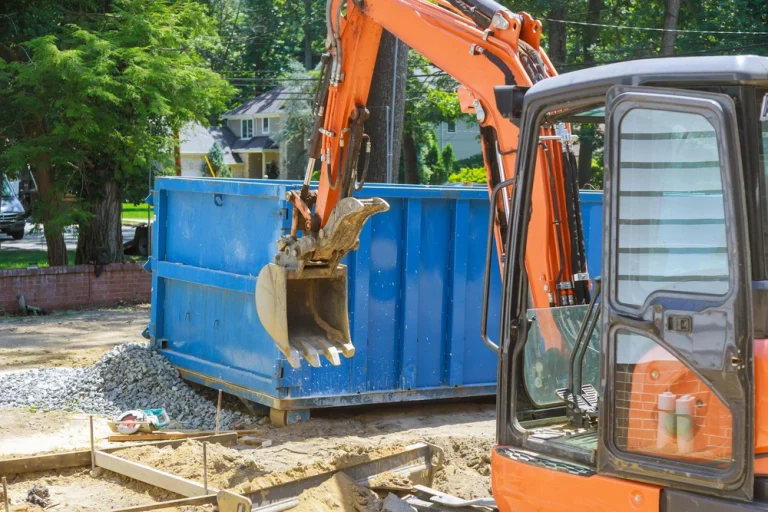
- Dumpster rental: A necessity for holding and transporting the disposed asphalt. Sizes vary, so choose one based on the scale of your project.
- Wheelbarrow or loader: Ideal for moving smaller pieces of asphalt to the dumpster.
- A variety of shovels and picks can be helpful for breaking up and scooping asphalt.