Key Takeaways
- Understanding the anatomy of a roof system is essential.
- Choosing appropriate roofing materials and installation techniques is crucial.
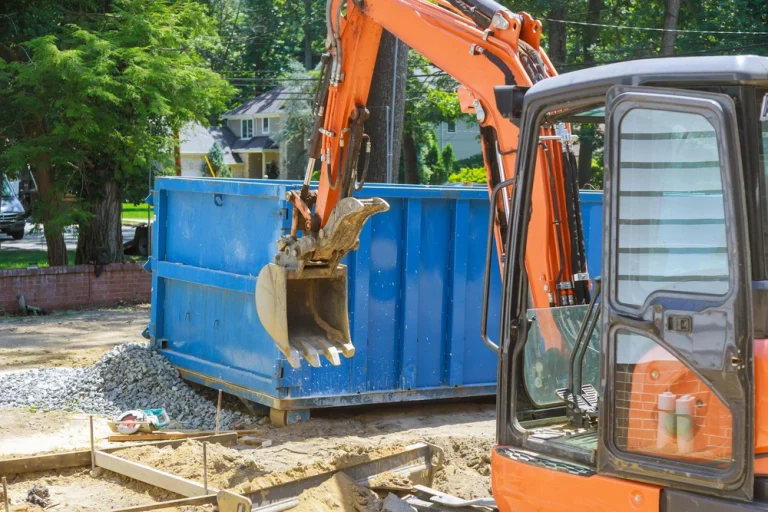
- Regular maintenance and debris management, like using a roofing dumpster rental, are key to roof longevity.

Types of Roofing Materials
Understanding the various types of roofing materials can help you make informed decisions about cost, durability, and aesthetic appeal. Each material has distinct advantages and considerations.Asphalt Shingles
Asphalt shingles are the most popular roofing material due to their affordability and ease of installation. They come in two main types: three-tab shingles and architectural shingles.- Three-tab shingles are flat and lightweight, offering a basic level of protection at a lower cost.
- Architectural shingles are thicker and provide better durability and lifespan.
Metal Roofing Options
Metal roofing is available in materials like steel, aluminum, and copper. These roofs are known for their durability and low maintenance requirements.- Steel is strong and economical but may require a protective coating to prevent rust.
- Aluminum is lightweight and naturally resistant to corrosion, making it ideal for coastal areas.
- Copper is aesthetically appealing and long-lasting but significantly more expensive.
Alternative Roofing Materials
If you’re looking for something different, several alternative roofing materials offer unique benefits. Wood shingles and cedar shingles provide a natural look and good insulation but need more maintenance.- Tile roofing includes materials like clay and concrete, which are durable and fire-resistant.
- Slate offers a distinctive appearance and can last up to 100 years but is heavy and expensive.
- Stone tiles provide durability and a natural aesthetic but require strong structural support due to their weight.
Roof Structure and Design
Understanding the structure and design of your roof is crucial for ensuring its longevity, functionality, and aesthetic appeal. This section delves into the essential components and considerations that make up a well-planned roof.Understanding Roof Anatomy
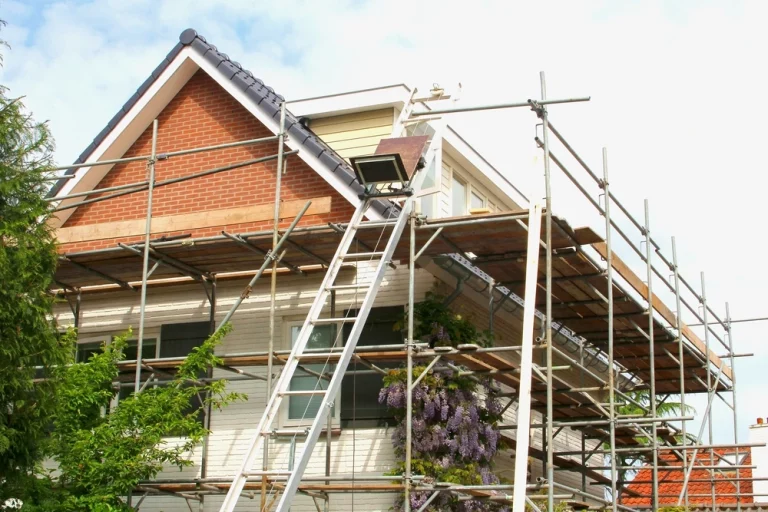
A roof is more than just shingles. It comprises several key elements that work together to provide shelter and durability. Rafters and trusses form the skeleton, supporting the roof deck, which provides a base for the roofing materials. The roof deck is typically covered with roof sheathing for added strength.The roof ridge is the horizontal line at the top where two roof planes meet. Eaves extend past the walls to direct water away, while the fascia supports the lower edge of the roof. Valleys are the internal angles formed by intersecting roof planes, crucial for water runoff. The hip is the external angle formed by the intersection of two sloping roof planes.Gables are the triangular ends of the roof, often seen in gable roofs. Dormers are the projections from the main roof, containing windows. Understanding these parts helps you navigate roofing projects and communicate effectively with contractors.Selecting the Roof Design
Choosing the right roof design significantly impacts your building’s functionality and style. Gable roofs are simple and effective, providing excellent water runoff and extra attic space. Hip roofs offer stability and are excellent for areas with high winds and heavy snowfall.Flat roofs are common in commercial buildings but may require more maintenance due to water pooling issues. The slope or pitch of your roof determines its steepness and impacts material choices and weather resistance. Traditional pitched roofs are usually 4:12 to 6:12 in slope.A well-thought-out roof plan considers these factors and includes elements like roof valleys, gable ends, and roof ridges to optimize performance. Whether for aesthetic appeal or practical benefits, your roof design choices should align with the climate, structural requirements, and budget.Installation Techniques
 When installing a new roof, focus on the proper installation of shingles and tiles, ensuring effective sealing and waterproofing, and implementing proper ventilation and insulation to optimize durability and efficiency.
Installing Shingles and Tiles
Start by preparing your tools: roofing nails, a circular saw, and starter shingles.Lay the underlayment over the roof deck to provide moisture protection. Synthetic underlayment can offer added durability.Next, install the drip edge along the edges to prevent water damage. Place the starter shingles at the roof’s edge, followed by the shingles or tiles in a staggered pattern.Ensure each shingle or tile is securely fastened with roofing nails. Use flashing around chimneys, skylights, and valleys to prevent leaks.Finally, cut tiles with precision to fit around roof features, maintaining proper alignment and symmetry.Sealing and Waterproofing
Sealing and waterproofing are critical to preventing leaks.Apply a high-quality sealant around roof penetrations like vents, chimneys, and skylights. Ensure that the flashing is well-secured and sealed with roofing cement or similar materials.Install a well-designed underlayment, and consider synthetic underlayment for better water resistance.Properly apply drip edges along the eaves and rakes to direct water off the roof and prevent backsplash.Reinforce valleys and areas prone to water collection with additional layers of waterproofing material to ensure maximum protection.Ventilation and Insulation
Proper ventilation and insulation keep your roof energy-efficient and prevent moisture buildup.Install ridge vents along the roof peak to allow hot air to escape. Ensure soffit vents are clear to permit fresh air to enter from below.Use a mix of vents and ensure they balance intake and exhaust.Insulation should be installed between rafters to maintain indoor temperature, reducing energy costs. Energy-efficient materials help keep heating and cooling effective.Check that your insulation does not block ventilation paths, as this can lead to moisture problems inside the attic.Implement these steps to ensure your roofing installation lasts and performs optimally over time.Maintaining Your Roof
Performing regular check-ups and promptly addressing weather-related issues are crucial to preserve your roof’s longevity. This approach helps prevent larger, more costly problems down the line.Regular Inspection and Repair
Regular inspection of your roof involves looking for damaged or missing shingles, broken or rusted roof nails, and potential leaks. Begin by examining the roof from the ground using binoculars if necessary, then proceed with a hands-on inspection if safe to do so.Ensure to check the flashing around chimneys, vents, and other roof penetrations. Regularly clean your gutters and downspouts to facilitate proper drainage and prevent water build-up. If you notice any issues, consider simple DIY fixes or call a professional roofer for more complex repairs.Safety is paramount; always use a harness when climbing on the roof. Trim overhanging tree branches to prevent damage from falling debris. Undertaking these maintenance activities diligently can greatly extend your roof’s lifespan.Handling Weather Damage
Weather damage can manifest in several ways, such as leaks during rain, lifted shingles from wind, or heavy snow loads causing structural stress. After a storm, inspect your roof for signs of damage like missing shingles, dented metal flashing, or water stains in your attic.For minor leaks, use roofing cement or sealant as a temporary fix. However, extensive damage, especially from severe weather, might require a professional assessment and repair. Ensure timely intervention to prevent small issues from escalating.Keep an eye out for moss or algae, as these can retain moisture and weaken roof structure. Address weather-related damage promptly to maintain the integrity of your roof and avoid costly replacements.Common Roofing Terminology
 When navigating the world of roofing, understanding key terms is essential.Shingles are the outermost layer of your roof, providing protection and aesthetic appeal. They can be made from materials like asphalt, wood, tile, metal, and slate.Eaves are the edges of the roof that extend beyond the walls of the house, providing additional protection from water runoff.Valleys are the V-shaped channels that run up and down the roof, directing water off the structure.Hips are the external angles formed by the intersection of two sloping roof planes.The Gable End is the triangular section of wall at the end of a pitched roof, extending from the eaves to the peak.Abutment refers to the junction where your roof meets a vertical surface, such as a wall or chimney.Flashing is used to seal and protect joints and edges from water infiltration. It’s commonly installed around chimneys, vents, and in valleys.Dormers are structures that project from the roof, containing windows, and are commonly used to add space and light to attics.DIY Roofing can be dangerous and is typically recommended to professionals. But knowing these terms can help you communicate with roofing contractors effectively.In the industry, bundles and squares are terms used to measure roofing materials. A square covers 100 square feet, and a bundle is a package of shingles, typically 3-5 bundles per square.Understanding these basic terms will help you better navigate discussions and decisions about your roof. For a more detailed overview, you can check resources like New Home Source, Angi, and Owens Corning.