Key Takeaways
- Attic insulation is key for energy efficiency and indoor comfort.
- Material choice and proper installation greatly influence insulation performance.
- Consider environmental impact and compliance with building regulations.

Understanding Attic Insulation
When insulating your attic, you’re creating a barrier against heat flow, crucial for maintaining a comfortable home environment throughout the seasons. Insulation’s effectiveness is measured by its R-Value, with higher values denoting greater resistance to heat transfer.Types of Attic Insulation
- Batts and Blankets: This common insulation comes in rolls that fit neatly between studs and joists. Materials typically include fiberglass or cotton.
- Loose-fill: Composed of small particles, loose-fill insulation can be made of fiberglass, cellulose, or mineral wool, and is blown into attic spaces.
- Rigid Foam: Rigid foam boards offer a higher R-Value per inch and are great for limited spaces.
Recommended R-Value
Your attic insulation should ideally meet an R-Value of R-38, which may translate into insulation that is about 10 to 14 inches thick, depending on the type of insulation used.Installation Considerations
Be mindful of ventilation needs and local building codes. Improperly installed insulation could lead to moisture problems or diminished effectiveness. If using fiberglass batts, which are a common choice, take precautions to avoid skin and lung irritation.Remember, the quality of the installation can impact the overall effectiveness of your insulation. Hiring a professional or thorough understanding of DIY methods can ensure that your attic insulation performs optimally.Types of Attic Insulation
When considering attic insulation, your choice will significantly impact energy efficiency and comfort. There are various materials and types available, each with its specific benefits and suitability.Fiberglass Batts
Fiberglass batts are a common form of insulation made from fine glass fibers. Available in pre-cut panels, it’s designed for easy installation between studs and joists in your attic. Always wear protective gear as fiberglass can irritate the skin and lungs.Loose-Fill Fiberglass
Loose-fill fiberglass is composed of small particles of spun glass, ideal for attics with irregular joist spacing or obstructions. It’s blown into place using special equipment, providing a seamless layer of insulation that covers the nooks and crannies.Cellulose
Cellulose insulation is made from recycled paper that’s treated with fire retardants. It’s often considered a green option and can be blown into the attic, filling gaps and spaces more completely than many other types of materials.Spray Foam
Spray foam creates an airtight seal, expanding to fill every opening that can potentially leak air. Available in open-cell and closed-cell varieties, the foam can help not only insulate but also strengthen the structural integrity of your home.Reflective Insulation
Reflective insulation consists of materials like foil-faced kraft paper, plastic film, polyethylene bubbles, or cardboard. Designed to reflect heat away from the attic, it’s especially effective in hot climates where radiant heat is a concern.Factors to Consider When Choosing Insulation
When selecting insulation for your attic, it’s vital to examine several key factors to ensure your home maintains energy efficiency and comfort.R-Value
R-Value is a measure of thermal resistance. The higher the R-value, the more effective the insulation will be at preventing heat transfer. It’s essential to choose insulation with a higher R-value for improved energy efficiency in your attic.Material
Insulation comes in various materials, each with unique benefits. Common types include fiberglass, cellulose, mineral wool, and spray foam. Fiberglass is known for its affordability, while spray foam can provide an excellent air barrier.Cost
The cost of insulation is affected by the material’s price and the quantity needed. Balancing your budget with the desired R-value and material properties will guide your choice. Remember, investing in quality insulation can lead to energy cost savings over time.Sustainability
Sustainable insulation options are available and range from recycled materials to those with low environmental impact. Consider eco-friendly options such as cellulose, which often contains a high percentage of recycled content.Local Climate
Your local climate plays a significant role in determining the appropriate R-value and insulation type. In colder climates, a higher R-value is usually necessary, whereas in milder regions, a lower R-value may suffice. Adaptation to your local environment is key to insulation effectiveness.Installation Tips for Attic Insulation
Installing attic insulation correctly is crucial for energy efficiency. Proper preparation, safety, and application techniques can ensure maximum effectiveness and long-term savings.Preparing the Attic
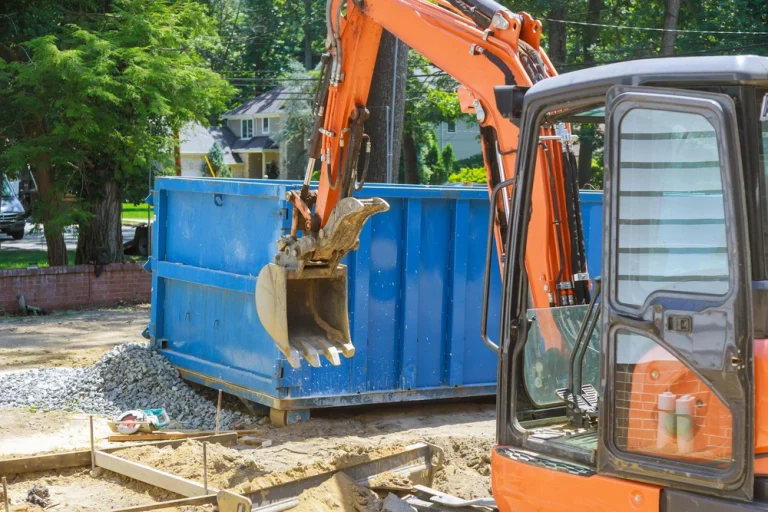
Before you start, clear out any debris from the attic space. You may need to use a small construction dumpster rental to dispose of all the debris, depending on the size of the project. Seal any air leaks to prevent heat transfer between the attic and your living spaces. It’s important to measure the attic area to determine how much insulation you’ll need. You should also ensure that insulation does not block soffit vents to maintain proper attic ventilation.Safety Measures
Wear protective gear, including a mask, gloves, and safety goggles, to avoid irritation from insulation materials. Make sure your attic has adequate lighting and sturdy flooring or walk boards to safely move around. Keep a fire extinguisher accessible in case of emergencies, as installing insulation involves working near electrical components.Application Techniques
Start installing insulation from the perimeter towards the attic hatch to avoid compressing the material. Use long, continuous runs of insulation, cutting pieces to fit around obstacles. When using batts, the paper or foil-facing should be installed against the attic floor to act as a vapor barrier. For loose-fill insulation, distribute it evenly across the floor, achieving the recommended R-value, typically to a depth of about 10 to 14 inches. More information about determining the correct R-value can be found in the Adding Attic Insulation guide from ENERGY STAR.Benefits of Proper Attic Insulation
 When you insulate your attic correctly, you can reap substantial rewards, including reduced energy bills, a more comfortable home, and less noise from the outside.
Energy Efficiency
By properly insulating your attic, you can significantly cut down on energy consumption. During the winter, heated air rises and can escape through an uninsulated attic, whereas in the summer, an uncooled attic can become extremely hot, causing your air conditioning to work harder. Effective attic insulation acts as a thermal barrier, maintaining temperature regulation and leading to lower air conditioning costs.Comfort Improvement
A well-insulated attic provides a consistent temperature throughout your home, eliminating hot and cold spots that can be uncomfortable. Your living environment becomes more enjoyable, with an attic acting as a buffer zone that stabilizes the temperature whether it’s blistering hot or bone-chillingly cold outside.Noise Reduction
Insulation can also serve as a decent sound barrier. When you install proper attic insulation, you’ll notice a reduction in the noise that makes its way into your home. This can include environmental noise like traffic, as well as airborne sounds such as airplanes and trains. A quieter home supports a peaceful and serene atmosphere.Common Attic Insulation Mistakes
When insulating your attic, precision is key. Mistakes can lead to energy inefficiency and structural issues. Be aware of these common pitfalls to ensure a well-insulated space.Inadequate Coverage
Ensure complete coverage while insulating your attic to prevent heat loss. Patches with no insulation are like leaving windows open in the winter. Check for consistent depth and fill all nooks to avoid spots where energy can escape.Ignoring Ventilation
Your attic needs proper ventilation to prevent moisture problems and regulate temperature. Insulation should not block soffit vents, as stated by The Family Handyman. Ensure there’s a balance between airtight insulation and airflow for a healthy attic environment.Incorrect Installation
Insulation type matters, but the right installation is crucial for effective performance. Follow the manufacturer’s guidelines and pay attention to R-value recommendations. As advised by Master Attic, seal all air leaks to augment insulation and avoid gaps or compression, reducing efficiency.How to Assess Your Current Attic Insulation
To evaluate your attic’s insulation, you need to start with a visual inspection. Look for any uneven distribution, gaps, or areas where the insulation might be compressed or missing. Compression can significantly reduce the efficiency of insulation, as can gaps and spaces where insulation should be.Check the thickness of your existing insulation. This can be done by using a ruler or tape measure. For most insulation types like fiberglass, cellulose, or mineral wool, the R-value—the measure of insulation’s ability to resist heat flow—is approximately 3 – 3.5 per inch. By measuring the depth, you can estimate the R-value of what you currently have. For example, a depth of 10 inches would suggest an R-value of about 30-35. However, the insulation level recommended varies by region. In the Southern U.S., the advisable minimum is R-38, approximately 13-14 inches of insulation.R-Value Estimation:| Depth (in inches) | Estimated R-Value |
|---|---|
| 10 | 30-35 |
| 13 | 39-45.5 |
| 14 | 42-49 |
Upgrading Your Attic Insulation
Upgrading your attic insulation is key to enhancing your home’s energy efficiency and comfort. Proper removal of old material, addition of effective new insulation, and employing professional installation are all vital steps.Old Insulation Removal
Before installing new insulation, it’s crucial that you carefully remove any outdated or damaged insulation. This helps prevent potential issues such as mold growth and ensures that the new insulation performs optimally. Be sure to check for and seal any leaks or holes in the attic space.Enhancing Existing Insulation
To boost your home’s thermal performance, consider adding more insulation on top of the existing layer. Ensure that the material you choose has an appropriate R-value — typically R-38 is recommended for attics, which equates to approximately 10 to 14 inches of material, depending on the type.Choosing a Professional Installer
Selecting a professional installer is essential for a successful upgrade. Look for certified professionals with experience in attic insulation. They can provide valuable advice on the best type of insulation for your specific needs and ensure that it’s installed safely and effectively.Attic Insulation and Building Regulations
When considering attic insulation for your home, it’s crucial to adhere to the appropriate building codes, which ensure safety and energy efficiency, and to follow the permit and inspection processes required by your local jurisdiction.Compliance with Codes
Your attic insulation must meet specific standards and requirements set by building codes. These codes can include the type of insulation used, such as fiberglass or mineral wool insulation, and the minimum R-value—a measure of thermal resistance—depending on the climate zone of your location. For example, the International Residential Code (IRC) and the International Energy Conservation Code (IECC) outline these requirements to ensure that your insulation is effective in minimizing heat transfer and reducing energy consumption.Permits and Inspections
Before you install attic insulation, you need to check whether you require a permit from your local building department. This is often influenced by the scale of the project—whether it’s new construction, renovation, or retrofitting. After obtaining the necessary permits and completing the insulation work, an inspection might be mandated to confirm that the installation complies with the local building codes. Ensure you’re aware of the codes for insulation and HVAC in attics, as inspectors will verify that aspects like attic access dimensions and headroom comply with regulations.The Environmental Impact of Insulation Choices
 When selecting attic insulation, your choice has a direct impact on the environment. It’s not just about how well insulation keeps your home warm or cool; it’s also about the production, application, and disposal processes.
- Fiberglass Insulation: Commonly used, but its production involves high energy consumption and chemicals that may be of concern. Some fiberglass options contain significant amounts of recycled glass, reducing environmental impact.
- Synthetic Materials: Polystyrene and spray foam insulations can be harmful due to the chemicals used in their manufacture and their non-biodegradable nature. However, newer formulations aim to reduce the environmental footprint.
Attic Insulation Maintenance and Repair
Proper maintenance of your attic insulation is crucial for ensuring its effectiveness and longevity. Periodically, you should inspect your attic to check for any signs of damage or wear. Look for areas where insulation may have compacted or where moisture might have caused mold or mildew.- Repairing Insulation: If you find damaged insulation, such as fiberglass batts that have fallen or become wet, it’s important to replace these sections. When handling insulation, always wear protective gear like gloves and a mask to prevent irritation from fibers.
- Compacted Insulation: Fluff it back up to restore its R-value.
- Wet Insulation: Remove it safely and replace it with new material to prevent mold growth.
- Ensure your attic has proper ventilation to reduce the risk of moisture buildup.
- Check for and seal any air leaks to minimize energy loss.
- Avoid storing items on top of the insulation, which can compress it and decrease its R-value.