Key Takeaways
- Proper planning and preparation are crucial for efficient chain link fence removal.
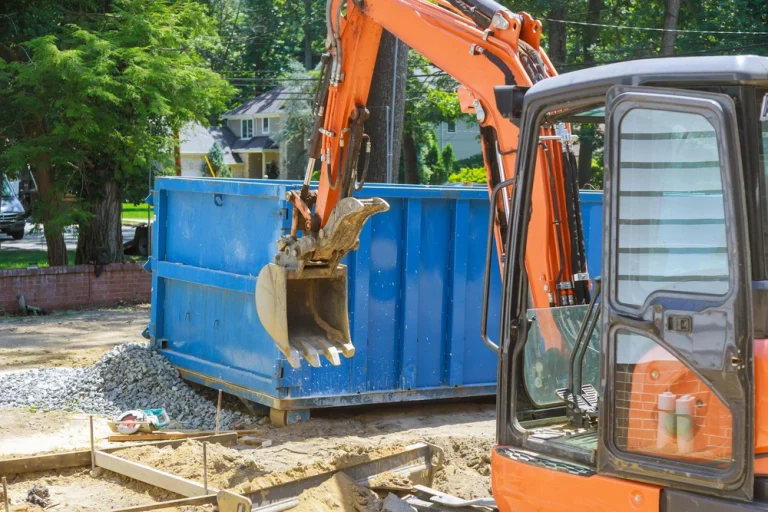
- Rent a small dumpster to manage debris and ensure a clean workspace.
- Post-removal, restore the landscape and consider replacement fencing options.

Planning and Preparation
Before you begin the process of chain link fence removal, it’s critical to properly plan and prepare. Attention to initial details can lead to a safer, more efficient, and effective removal project.Identifying Property Lines
It is essential to confirm your property lines to ensure you are not infringing on a neighbor’s land while removing your fence. Use a measuring tape to accurately determine the boundaries or consider hiring a professional to conduct a survey if you are uncertain.Assessing Fence Condition
Inspect your chain link fence closely for rust or damage. If sections are heavily corroded, this might affect the ease of disassembly, potentially requiring more force or different tools. Ensure that water does not pool around the posts, as it can make concrete removal tougher.Gathering Necessary Tools and Equipment
To remove your chain link fence effectively, have the following tools and equipment ready:- Work gloves and safety goggles to protect from metal splinters and dust.
- Bolt cutters or pliers to cut and unfasten the chain link.
- A spade shovel and a jackhammer or sledgehammer to break up concrete footings.
- Bungee cords or rope to secure loose sections of fencing during removal.
- Cable ties for temporary fastening or bundling removed sections.
- Wear a long-sleeved shirt and work pants to guard your skin against scratches.
- A face shield or safety goggles for eye protection while digging or chiseling out posts.
- Arrange a local dumpster or plan for metal recycling or sale on platforms like Craigslist to manage debris and removed fence materials.
Removing Fence Fabric and Ties
Before you start removing the chain link fence, it’s crucial to understand the steps required to detach the fence fabric efficiently and the safe disposal of the fence ties. These procedures will help to prevent injury from sharp metal points and prepare the fence sections for recycling or reuse.Detaching Fence Fabric
Begin by locating the tension bar that secures the chain link fencing to the posts. Use pliers to untwist and remove the wire fence ties that hold the fabric to the top rail. Proceed carefully to detach the chain link from the tension bar, working your way along the fence. Roll the fence fabric into a manageable bundle as you go to keep it under control and to make disposal or transport easier.Cutting and Disposing of Ties
After the fabric has been removed, focus on the fence ties. Inspect for any remaining wire grippers or ties that might need cutting. A reciprocating saw with a metal-cutting blade or a hacksaw can be employed to cut fence ties that are too tight to be untwisted. Dispose of the metal waste responsibly. Collect the ties and any other metal scraps and take them to a local recycling center to ensure that the scrap metal is recycled correctly.Extracting Fence Posts and Concrete
 Removing a chain link fence involves carefully dealing with the posts and their concrete footings. Below are steps to unbolt the posts from their bases and extract the concrete footings ensuring a clean removal process.
Unbolting Posts from Bases
First, inspect the base of your fence posts for any nuts and bolts that may be securing the post to the concrete base or other structures. You will need to use an appropriate wrench or socket to turn the bolt counter-clockwise until it’s fully removed. If rust or corrosion has built up, apply a penetrating oil to ease the process. Remove any post caps or tension bars that are attached to the post to facilitate a smooth extraction. An angle grinder may be necessary to cut through any rails or bolts if they are too damaged to be unbolted.Removing Concrete Footings
For concrete footings, carefully dig around the base exposing as much of the concrete plug as possible. A post puller or jack, such as a farm jack, can be an effective tool to gradually lift the post and footing out of the ground. Hook the post puller chain around the fence post as low as possible, and then ratchet the jack to start lifting the post out. This method may take some force, but it usually removes both the post and the concrete base intact. If the concrete does not budge, you may need a heavier-duty machine like a tractor to apply more force, especially for larger or deeper footings.When dealing with tough situations where a jack or puller isn’t sufficient, using a piece of scrap 2×4 as leverage against the post can give you the additional force needed to break the concrete base free from the post. Always ensure to use steady, controlled force to prevent any possible injury or damage to surrounding areas.Dismantling Rails and Braces
When it comes to removing chain link fences, accurately taking down the top and bottom rails and detaching brackets and clamps are crucial steps in dismantling the structure.Taking Down Top and Bottom Rails
First, you’ll need to remove the top and bottom rails from your chain link fence. Begin by loosening the brackets and clamps that hold the rails to the fence posts, using a wrench if necessary. Next, methodically disengage the rails. Depending on the design, you may need to roll up the chain link fabric to access the rails. Carefully support the rails as you remove them to prevent bending or damage.- Tools Required: Wrench or similar tool
- Process:
- Step 1: Loosen brackets and clamps
- Step 2: Remove top rail
- Step 3: Remove bottom rail
- Step 4: Roll up fabric if needed
Removing Brackets and Clamps
After the top and bottom rails are removed, focus on the brackets and clamps. These pieces secure the fence to the end posts and provide stability. Use the appropriate equipment to unscrew or unbolt each bracket and clamp, taking care not to strip the screws. Keep all pieces organized and stored safely should you need them for future fence removal or installations.- Tools Required: Screwdriver or socket wrench
- Process:
- Step 1: Identify all brackets and clamps
- Step 2: Unscrew or unbolt with care
- Step 3: Organize and store components
Disposal and Recycling
 When removing a chain link fence, you have options for disposal and recycling that ensure environmental responsibility and potential cost savings. Understand your choices for sorting recyclable materials and hiring disposal services.
Sorting Recyclable Materials
Your chain link fence contains valuable metals that can be recycled. Identify all scrap metal components, such as steel or aluminum links, posts, and braces. These materials can typically be taken to a local recycling center, where they may be recycled and repurposed. During sorting:- Separate metal parts from non-metal components.
- Remove all non-metal attachments, like privacy slats or fabric screens.
Hiring Disposal Services
If you’re not keen on recycling yourself or you have non-recyclable waste, consider hiring disposal services. These companies can provide a dumpster rental for mixed materials or even handle the separation for you. Remember that:- Disposal services often have the necessary truck to haul away both recyclable and non-recyclable components of your fence.
- They can assist in ensuring that salvageable materials are routed to the correct processing facilities, potentially reducing disposal costs.
Landscape Restoration
After removing a chain link fence, it’s important to leave your landscape in better shape than when you started. This means attentively refilling the holes left by the fence posts and reviving any vegetation that might have been affected by the fence installation or removal.Refilling Post Holes
Once the fence posts are removed, you’ll be left with empty cavities in the ground. Properly filling these post holes is crucial for safety and aesthetics. Here’s what you should do:- Clear debris: Remove any loose pieces of concrete or rocks.
- Add soil: Fill the holes with new soil, preferably topsoil that matches the surrounding area.
- Compact soil: Tamp it down after every few inches to avoid future settling.
Reviving Surrounding Vegetation
The perimeter where your chain link fence once stood might exhibit stressed or damaged vegetation. It’s essential to aid in the recovery.- Assess the area: Look for areas where plants are struggling and need attention.
- Water: Apply water to affected plants, making sure not to overwater and cause pooling around the roots.
- Prune: Trim dead or damaged branches to encourage new growth.
- Fertilize: Use a balanced fertilizer to provide necessary nutrients, but do so sparingly to prevent fertilizer burn.
- Provide protection: Briefly use shading or temporary fencing to give sensitive vegetation a chance to recover, ensuring your privacy is maintained during the restoration process.
Fence Replacement Options
 When you decide to replace your chain link fence, consider the range of materials available to you and the layout that will best suit your property’s needs.
Considering New Fencing Materials
You have a variety of materials to choose from when replacing a chain link fence. If privacy is a priority, wooden slats or vinyl fencing can offer a solid barrier, enhancing the seclusion of your space. For a balance of visibility and security, wrought iron or aluminum fencing provide durable options with aesthetic appeal. Remember to assess the specifications of chain link fence gates, as these may influence your material choice if you’re aiming to maintain consistency and functionality.Mapping Future Fence Layout
Before installing your new fence, it’s crucial to carefully plan the layout. Begin by marking your property lines to ensure that your new fence placement is accurate and avoids potential disputes with neighbors. Corner posts serve as anchors for your fencing; thus, their proper positioning is essential. When plotting the layout, keep in mind any areas that may require enhanced access or additional privacy.Hiring Professionals vs. DIY
When removing a chain link fence, you need to consider two main methods: doing it yourself or hiring professionals. Each approach has its distinct requirements and implications for efficiency, equipment usage, and the level of experience required.Evaluating DIY Capabilities
Before undertaking a DIY fence removal, assess your own capabilities and the tools at your disposal. For DIY efforts to be successful, you will need:- Proper Equipment: Heavy-duty gloves, bolt cutters, and a reciprocating saw.
- Physical Strength: The ability to handle strenuous labor for digging and post removal.
- Time Commitment: Ample free time to dedicate to the meticulous process of dismantling a fence.
- Experience: Basic knowledge of fence structures to avoid potential pitfalls.
Seeking Professional Fence Removal Services
Opting to hire professional services for your fence removal offers several benefits such as:- Efficiency: Professionals typically complete the job quicker due to their experience and specialized equipment.
- Equipment Quality: Pros have access to industrial-grade tools that make the removal process smoother and safer.
- Expertise: Professionals have the experience to foresee and avoid complications, ensuring the job is done right.