Key Takeaways
- Building a DIY kitchen island is an affordable way to enhance your kitchen’s functionality.
- Material selection and customized storage solutions are key components of your kitchen island project.
- Attention to detail in finishes and additional features brings both practicality and style to your space.

Planning Your DIY Kitchen Island
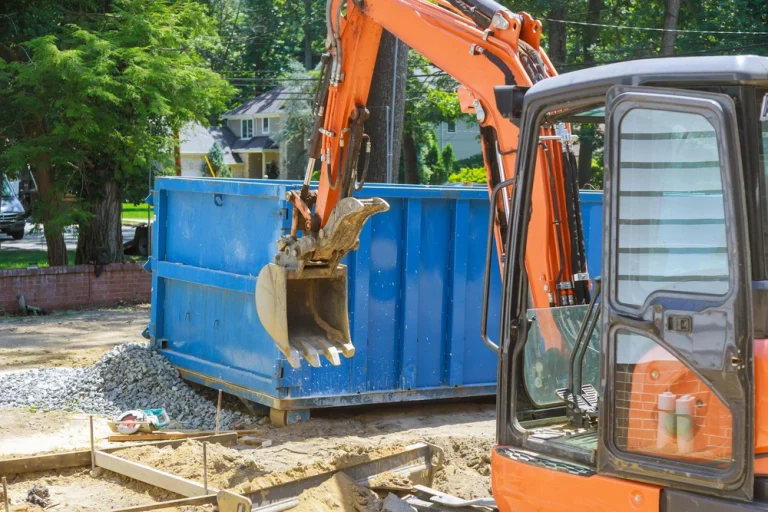
Creating a functional and stylish DIY kitchen island requires careful consideration of your kitchen’s layout and your specific needs. Ensure you have a clear understanding of the available space, the design that best suits your kitchen, and the materials and tools you will need for construction. Remember, if your DIY kitchen island is a part of a larger kitchen remodeling project, you might need a home dumpster rental for the trash and debris.Assessing Your Kitchen Space
Before embarking on your project, measure the available space in your kitchen. For small kitchens, aim for at least 42 inches of clearance around the island to ensure easy movement. If you’re contemplating a large kitchen island, check that it won’t overwhelm the room and consider incorporating additional features such as a sink or cooktop.Choosing a Design
Select a design that complements the style of your kitchen and fits your functionality requirements. Peruse various DIY kitchen island ideas to inspire your plan. Whether you’re looking for extra storage, seating space, or a simple worktop, there’s a plan to match every need.Materials and Tools Needed
You’ll need basic materials like lumber, screws, and a countertop that aligns with your aesthetic preferences and budget. Decide whether you want to go for new, reclaimed, or a mix of materials. Required tools may include a saw, drill, sander, and measuring tape. Ensure you have all necessary items before starting by consulting detailed kitchen island plans to avoid disruptions.Constructing the Island Frame
Before diving into the construction of your kitchen island frame, it’s essential to source quality wood and hardware. You’ll be assembling a solid foundation and a sturdy frame that will define the structural integrity of your kitchen island. Use reliable materials like screws and nails to ensure longevity and stability.Building a Solid Foundation
Your kitchen island’s foundation is paramount; it supports the entire structure. Start by selecting hardwood for a robust base. You’ll need four pieces cut to the appropriate length for the legs of the island. Secure them with 4-inch wood screws to the horizontal base pieces. Ensure that everything is square by measuring diagonally between opposite corners.Assembling the Frame
Once the foundation is set, move on to assembling the frame. Create the horizontal structure that will support your countertop, using 2x4s or a similar dimension of lumber for optimal support. Connect frame pieces by drilling pilot holes and then driving 3-inch screws to join the corners. Remember to reinforce these joints with corner brackets or braces if extra stability is needed.For guidance and inspiration, you might want to check out DIY kitchen islands designed by Ana White, who offers a range of tutorials for building custom kitchen islands. The basic rectangular frame you assemble now will greatly influence the final functionality and aesthetic of your DIY project.Countertop and Surface Choices
 Choosing the right countertop for your DIY kitchen island not only defines its functionality but also adds to the aesthetic appeal of your space. Whether you prefer the warm, traditional look of a butcher block or the unique character of reclaimed wood, these surface options provide budget-friendly possibilities with a touch of personalization.
Installing a Butcher Block Countertop
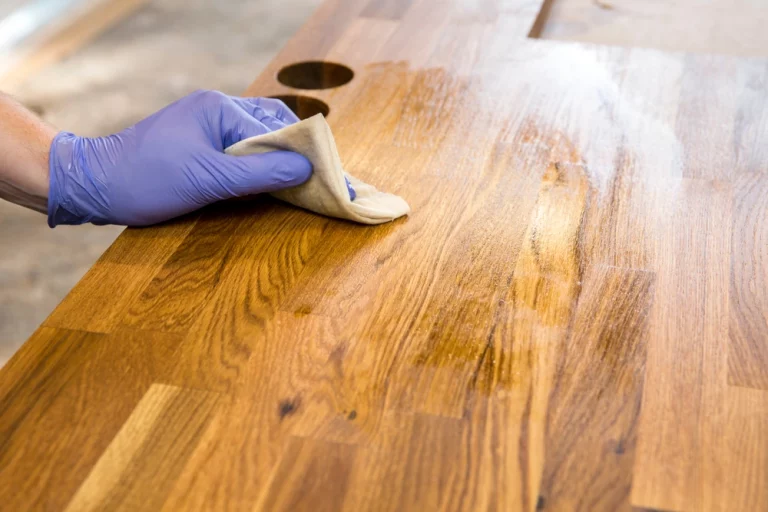
A butcher block countertop combines functionality and natural beauty. It is a sturdy option that can handle chopping and food preparation directly on its surface. When installing, ensure that you seal and treat the wood properly to prevent stains and bacterial growth. Regular maintenance, including sanding and oiling, will keep your butcher block looking fresh and new.Working with Reclaimed Wood Surfaces
Reclaimed wood offers an eco-friendly option that brings history and texture to your kitchen island. Each piece of salvaged wood has a unique story, often displaying rich patinas and textures. To work with reclaimed wood, you might need to sand, clean, and seal the wood while preserving its character. It’s ideal for creating a statement piece that’s as durable as it is eye-catching.Alternative Countertop Ideas
If you’re looking for unconventional and cost-effective countertop options, consider materials like plywood or even concrete. You can cover plywood with laminate or veneer for a sleek, modern look or leave it bare for an industrial aesthetic.| Countertop Material | Pros | Cons |
|---|---|---|
| Plywood | Affordable, versatile, easy to work with | Requires sealing, can be prone to damage |
| Concrete | Durable, modern, customizable | Heavy, requires regular sealing |
Customizing Storage Solutions
Creating the perfect kitchen island involves more than picking out a countertop — it’s about making the most of your space. Custom storage solutions can turn your island into a highly functional focal point of your kitchen. Here’s how you can maximize your island’s utility with drawers and cabinets or open shelving and dedicated trash storage.Adding Drawers and Cabinets
Drawers and cabinets are essentials for your kitchen island, providing concealed and accessible storage. For pots and pans, consider deep drawers with sturdy sliders. Install a mixture of shallow drawers for utensils and deeper ones for larger items. Choose cabinets with shelves adjustable to different heights to accommodate appliances of various sizes. Enhance functionality by integrating organizational accessories such as pull-out spice racks or tray dividers within the cabinets.Open Shelving and Trash Storage
Open shelving on your kitchen island offers easy access and visibility for items you frequently use. It’s ideal for displaying dishware or organizing cookbooks. Adjust the shelf height to fit your items neatly, ensuring every inch of storage space is used effectively.Incorporating trash storage into your kitchen island can also streamline waste management. A pull-out trash bin concealed within the island keeps trash out of sight and helps maintain a clean kitchen. If you recycle, consider a double-bin drawer—one for trash and one for recyclables. This feature is not only practical but also reinforces your commitment to sustainability.Finishing Touches and Details
After constructing your DIY kitchen island’s core structure, applying the right finishing touches and details can transform it from functional to fantastic. Selecting quality paint, trim, and hardware not only reflects your style but also enhances durability.Painting and Staining
Choose a paint or stain that complements your kitchen’s palette while offering protection to the wood. If opting for paint, a semi-gloss or high-gloss finish can make cleaning easier. For a more natural look, a stain can bring out the wood’s inherent beauty and grain, especially for a unique piece.Adding Trim and Moldings
Trim and moldings are like the jewelry of cabinetry, adding character and sophistication. Installing a simple shaker trim can create a classic look, while ornate moldings might lend a more traditional feel. You could use reclaimed wood for an interesting trim detail that doubles as a conversation piece.Hardware and Handles
The hardware and handles are crucial for the practical use and aesthetic finish of your kitchen island. They not only need to match the style you’re aiming for but should also be ergonomic if you’re planning to use the island for meal prep or as a stovetop area. Remember, the right hardware can act as a focal point, so choose something that stands out!Functional Additions
 When enhancing your DIY kitchen island on a budget, consider integrating essential elements that boost its utility. From appliances to mobility, every addition can significantly increase the functionality of your cooking space.
Incorporating Appliances and Sinks
To make your kitchen island more than just a prep area, incorporate appliances and a sink. This can save space in other parts of the kitchen and centralize your cooking activities. For example, adding a compact dishwasher under the countertop can help with clean-up efficiency, while a built-in cutting board over the sink facilitates easy food preparation.- Appliances to Consider: Microwave, Wine Cooler, Mini-Fridge
- Sink Ideas: Stainless steel under-mount, Farmhouse style
Making Your Island Mobile
Transforming your kitchen island into a rolling kitchen island adds incredible versatility to your space. By attaching heavy-duty wheels, you can move your island where it’s most needed or tuck it away when more floor space is required. Locking mechanisms on the wheels ensure stability during use.Tips for Mobility:- Choose wheels that are appropriate for your flooring
- Install locks on wheels to secure the island during use
Enhancing Workspace with Overhangs
An overhang can extend your workspace and also serve as an informal dining area. Properly secured with support brackets or corbels, an overhang provides additional seating and prep space without taking up the footprint of a larger island. Ensure there’s at least a 12-inch overhang to comfortably fit stools underneath.Workspace Aspects:- Overhang: Minimum 12 inches
- Support: Brackets or Corbels for safety and stability