Key Takeaways
- Free tree removal programs can significantly lower land clearing costs.
- Different clearing methods can optimize efficiency and expenses.
- Planning is essential for balancing your budget and project needs.

Understanding Land Clearing
Land clearing involves several processes and provides a range of benefits while also presenting certain risks. It’s essential to grasp these aspects for effective land preparation and to address potential issues such as soil erosion.Land Clearing Process
The land clearing process typically starts with a thorough evaluation of the terrain to identify any obstacles like trees, rocks, and vegetation. Based on the site’s condition, different strategies may be applied, such as manual clearing with hand tools or using heavy machinery.You’ll find that the choice of method greatly depends on the land’s density and size, influencing both cost and time. Light land clearing often requires simpler tools, while dense areas may need specialized machinery to tackle the dense vegetation efficiently.Benefits and Risks of Land Clearing
Land clearing enhances usability by preparing areas for agriculture, construction, or other developments. It facilitates better land management and can significantly increase the value of your property. The process can also promote healthier growth of plants by removing invasive species.Despite these benefits, clearing land can lead to soil erosion, particularly if done haphazardly. Without careful planning and management, you may face increased erosion risks, leading to a loss of fertile soil. Proper techniques and erosion control measures are vital to prevent long-term damage to the environment.Planning Your Land Clearing Project
Proper planning ensures efficiency and minimizes costs when clearing land. Conducting a land survey helps define boundaries and identify obstacles. Deciding whether a contractor is needed depends on project scope and your available resources. Securing permits prevents legal issues and ensures safety, especially when dealing with utilities.Conducting a Land Survey
Before you begin, a land survey is essential. It helps in identifying property boundaries and marking natural features like trees and rocks that might affect your plan. You’ll need to recognize existing utility lines to avoid potential hazards during clearing.Using professional services or local government resources can provide an accurate survey. This is especially important for larger plots or areas with complex landscapes. Clearly marked boundaries prevent disputes with neighbors and ensure compliance with local regulations.Assessing the Need for a Contractor
Deciding whether to hire a contractor depends on your project’s scale and complexity. For small areas, using hand tools like shovels and mattocks may suffice. However, bigger projects might require professional expertise. Contractors can provide specialized equipment and experience, potentially saving time and effort.Consider your budget and the potential savings. Hiring a contractor might seem costly, but efficiencies gained could offset these expenses. Evaluate the physical demands of the task and your own capability before making a decision.Securing Necessary Permits
Getting a land clearing permit is a critical step. Contact your local zoning office to understand specific requirements and avoid fines. Permits ensure that all work is legal and do not impact nearby environments negatively. They are particularly vital when dealing with nearby utilities.Gather all required documentation and adhere to timeline constraints listed by local authorities. This step ensures you comply with environmental standards and can prevent costly delays or legal challenges during the clearing process. If utilities are present, consult with relevant companies to manage risks effectively.Clearing Methods and Their Costs
 Clearing land involves various techniques with differing costs and requirements. DIY methods can save money but require significant labor. Professional services offer efficiency for larger areas, whereas mulching is an eco-friendly option with specific advantages.
DIY Land Clearing Techniques
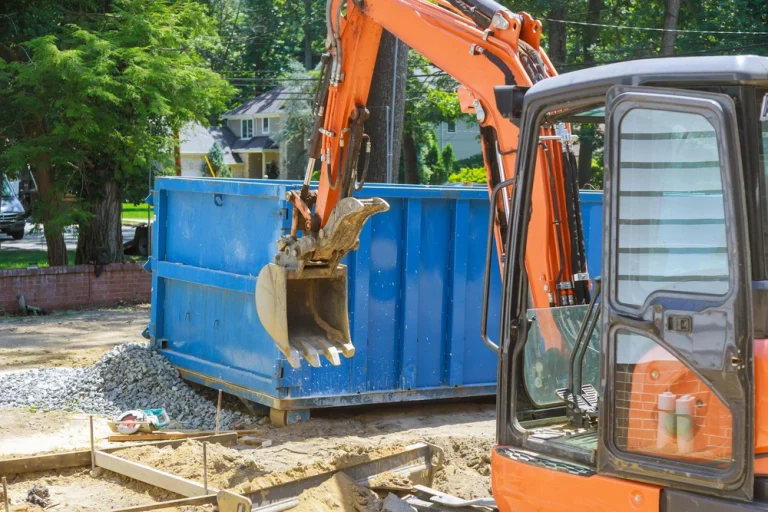
DIY land clearing relies on manual tools like shovels, mattocks, and chainsaws. This method is suitable for smaller areas with light vegetation. Using hand tools keeps costs low but demands significant time and energy. Another cost-effective strategy involves using a chainsaw for cutting down small trees and bushes, which can help avoid the expenses related to hiring professionals. While this approach minimizes financial expenditure, it does require investment in tools and personal labor.Considerations for DIY clearing include the potential need for additional expenses, such as debris disposal or safety gear. Keep in mind the limited application of DIY methods for large-scale land clearing, as tackling larger projects without heavy machinery can quickly become overwhelming.When you do the work yourself, you can certainly keep the final bill lower. Make sure you work with a good dumpster rental company and get the right dumpster size for your debris. You might need a small 10-yard dumpster for the heavier materials and a larger 30-yard dumpster for the lighter brush and debris.Professional Clearing Services
For larger properties or areas with dense vegetation, professional clearing services are often necessary. Hiring experts can increase the cost to clear land, which generally ranges from $1,359 to $5,572 according to estimates from Bob Vila. This approach ensures efficiency and safety, as professionals utilize machinery like bulldozers and have the expertise to conduct demolition effectively.Though more expensive, professional services guarantee a comprehensive clearance plan, including handling permits and adhering to environmental regulations. In some cases, professionals may also offer forestry mulching as part of their services, providing an alternative that minimizes environmental impact.Mulching as a Clearing Strategy
Mulching has become a favored method for selective land clearing, preserving the topsoil while removing unwanted vegetation. Unlike traditional clearing methods that may involve significant soil disturbance, mulching reduces erosion risks and effectively recycles cut vegetation as nutrient-rich mulch. This process can be costly depending on the scale and the required equipment, with forestry mulching costs typically being more than basic manual methods but often cheaper than full-scale land clearing.For example, a mulching project could start in the lower thousands, depending on the size of the area and density of vegetation. Using specialized machines like mulching heads attached to skid steers, you can cover large areas more efficiently than with simple hand tools, making it an attractive option for sustainable land management.Dealing With Vegetation and Waste
Managing vegetation and waste efficiently is crucial in land clearing. When removing trees and stumps, using the appropriate tools can save you time and money. For brush clearing, paying attention to debris management methods will help maintain cleanliness and ensure the land is ready for its intended use.Tree and Stump Removal
Removing trees and stumps is a primary step in land clearing. A chainsaw is often essential for felling small to medium trees. If you lack experience, hiring professionals can be more cost-effective in the long run.Once the trees are down, stumps can pose a challenge. Renting a stump grinder is a popular choice. These machines can quickly grind down stumps and surface roots, leaving organic matter that can be spread across the land. Alternatively, using chemical treatments is an option, but it’s slower and involves more work with safety precautions.Tree and stump removal also generates considerable debris, so planning for its disposal is essential. Consider chipping parts into mulch, which can enrich the soil on-site. Selling or donating wood for firewood is also a cost-effective method of waste management.Brush Clearing and Debris Management
Brush clearing involves removing smaller vegetation, such as shrubs and underbrush. A brush cutter or a mulcher is effective for tough and dense vegetation, turning plant material into manageable mulch.For extensive areas, renting heavy-duty equipment may be necessary. Managing the debris generated during this process is crucial to avoid hazards and prepare the land for subsequent use. Consider burning piles of organic matter in accordance with local regulations.Burning can reduce waste significantly if done safely, often an ideal solution for rural areas. For material unsuitable for burning, consider piling and letting it decompose naturally, which enriches the soil over time.Finishing the Job: Soil Treatment and Landscaping
 Once the land has been cleared, focus on stabilizing the soil and creating an aesthetically pleasing landscape. Proper techniques ensure long-term usability and attractiveness of the land.