Key Takeaways
- A construction dumpster rental is often the most cost-effective solution for debris disposal.
- Separating recyclables can reduce overall disposal costs.
- Familiarizing yourself with local waste management regulations helps avoid fines.

Assessing Your Construction Debris
Before you begin the task of debris removal, a thorough assessment is crucial. This ensures that you take the most cost-effective and environmentally responsible approach to get rid of your construction waste.Identify Recyclables and Reusables
Your debris pile may contain a host of recyclable materials such as metal, concrete, wood, and glass. Separating these can reduce landfill fees and possibly bring in some returns if sold to recycling centers or used in future projects. Here’s a quick way to recognize these valuable items:- Metal: Includes copper pipes, steel fixtures, and aluminum siding.
- Concrete: Often crushed and repurposed for paving or landscaping.
- Wood: Undamaged wood can be repurposed or chipped for mulch.
- Glass and Tile: Can be recycled in specific facilities.
Segregating Hazardous Materials
Hazardous materials must be separated from general construction debris due to the potential environmental and health risks they pose. Items such as asbestos-laden materials, lead paint, and solvents require special handling. When you isolate these from the start, you ensure proper disposal and mitigate the risk of contamination to non-hazardous materials, which could increase disposal costs. Here’s what to keep an eye out for:- Paints and Solvents: Usually require a drop-off at a designated hazardous waste facility.
- Items containing Asbestos: Should only be handled and removed by certified professionals.
Debris Reduction Strategies
Managing construction debris efficiently can save you money and reduce environmental impact. Here, you’ll discover how to minimize waste by applying smart source reduction tactics, maximizing material reuse, and donating materials to help your community and the environment.Source Reduction Tips
To reduce construction waste at the origin, meticulously plan your project materials. Be precise in ordering to prevent excess. Select standard dimensions to minimize cut-off waste and consider designs that generate less scrap.Reusing Building Materials
Reuse is key for cost savings and sustainability. Look for opportunities to repurpose materials like bricks, wood, metal, and fixtures within your project. This approach not only cuts down on waste but also adds unique character and history to your construction.Donation of Usable Materials
Donating is a double win—you clear out excess while aiding others. Organizations like Habitat for Humanity accept building materials and sell them at reduced prices. Additionally, platforms like Freecycle can connect you with individuals seeking materials for their own projects. By donating, you support your community and make a positive environmental impact.Recycling Options
 When looking to clear out construction debris, recycling can be cost-effective and environmentally friendly. Different materials like metals, concrete, and insulation can be repurposed through a variety of recycling channels.
Local Recycling Centers
Your nearest recycling center can take a wide array of construction materials, including scrap metals and concrete. Metals from construction sites are typically recyclable and can be easily processed to make new products. Concrete can often be crushed and reused as an aggregate for new construction projects or road bases. To find your closest facility and understand their guidelines, locate a recycling center near you that specializes in these materials.Specialty Recycling Services
For specific items like appliances or insulation, specialized recycle services are available. Appliances can contain valuable metals and components that are important to recycle correctly, keeping harmful substances out of the dump. Whereas special handling might be required for insulation, especially if it contains asbestos or other hazardous materials. Companies focusing on these niche areas offer recycling options that regular centers might not provide. To ensure safe and responsible disposal, consider booking an appointment with a recycling service that caters to hauling debris.Disposal Services
When dealing with construction debris, you have several disposal service options that can help you manage waste effectively. These services range from hiring companies specialized in junk removal to renting dumpsters or contracting specific removal services for heavier materials like dirt and rock.Hiring Junk Removal Companies
If you’re looking for convenience, hiring a junk removal company is a straightforward option. These companies offer full-service waste removal – they come to your location, collect the debris, and dispose of it responsibly. Expect to receive an upfront estimate based on the amount of debris you have.Renting Dumpsters
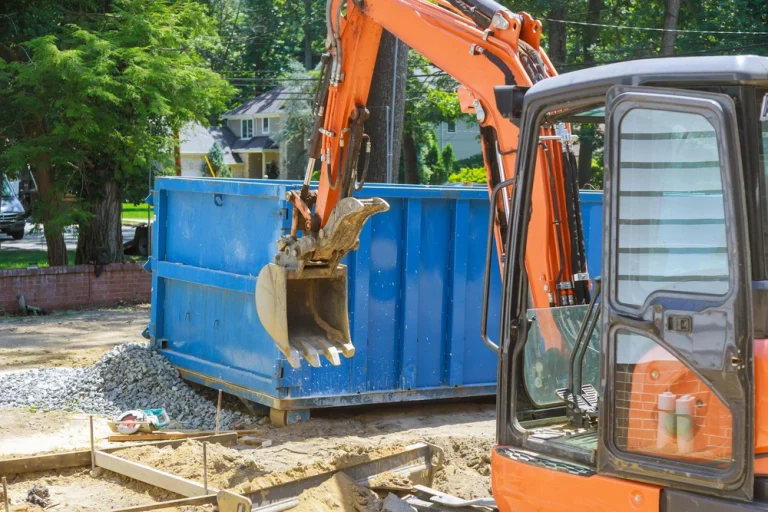
For projects where debris accumulates over time, renting a dumpster is a cost-effective choice. Dumpsters come in various sizes, and you can keep them on-site for the duration of your project for continuous waste disposal. When full, the rental company will remove and dispose of the contents, simplifying your site cleanup.Dumpster Sizes:
- Small Projects: 8 or 10-yard dumpsters
- Medium Projects: 20-yard dumpsters
- Large Projects: 30 or 40-yard dumpsters
Contracting for Dirt and Rock Removal
When your project involves excavation, you might be left with substantial amounts of dirt and rock. Specialized removal services, often provided by companies with access to heavy machinery like dump trucks, can cater to these needs. They will transport the material and often have access to sites for disposal or recycling of inert materials, ensuring proper fill hole techniques are used if required.Cost Evaluation
 When evaluating the cost of debris removal during your construction project, it’s essential to consider both the estimation of the disposal costs and the comparison of different service providers. Accurate assessment helps ensure you find the most cost-effective solution without sacrificing efficiency or safety.
Estimating Disposal Costs
To accurately estimate your disposal costs, first determine the volume of debris produced by your construction or demolition (demo). This often involves calculating the size of the dumpster required. Rental prices for dumpsters can vary significantly depending on the size:- 10 Yard Dumpster: For small projects or minor demo.
- 20 Yard Dumpster: Ideal for medium-scale renovations.
- 30-40 Yard Dumpster: Best for large construction projects with considerable debris.
Comparing Service Providers
Choosing the right vendor or service provider is about more than just the price. Start by compiling a list of available contractors and service providers that specialize in construction debris removal in your area. Here’s what to consider when comparing them:- Services Offered: Ensure they can handle the specific debris from your project.
- Pricing Structure: Look for transparent pricing to avoid hidden fees.
- Reliability: Read reviews or ask for references to assess their track record.
- Recycling and Disposal Methods: Choose eco-friendly practices when possible.