Key Takeaways
- Effective fire damage management requires a comprehensive cleanup and restoration approach.
- Immediate steps to address water, soot, and smoke damage are crucial to recovery.
- Mitigation of potential future incidents is part of a complete restoration strategy.

Assessing the Damage
When a fire strikes your business, understanding the extent of the devastation is critical in charting the path to recovery. Damage assessment is not just about scoping the visible destruction; it encompasses the structural integrity of the property, potential hazards, and impacts on future business operations.Initial Damage Assessment
The aftermath of a fire demands an immediate evaluation. You, as the property owner, can conduct a preliminary damage assessment to document the visible signs of damage. This may include:- Extent of Burn: Note which areas have been directly burned and to what degree.
- Water Damage: Often, fire suppression efforts lead to water damage.
- Soot and Smoke: Identify surfaces coated with soot or affected by smoke.
Professional Inspection
Enlisting the aid of a licensed professional is indispensable for a comprehensive assessment. These experts will:- Scrutinize Structural Safety: Determine the integrity of load-bearing walls and foundations.
- Identify Health Hazards: Locate potential risks like asbestos or electrical dangers.
- Estimate Repair Scope: Provide you with a reliable estimate for insurance and restoration purposes.
Immediate Steps
In the event of a fire at your business, there are critical measures to take promptly. These will ensure safety, begin the claims process, and secure your premises.Safety First
Immediately after a fire, your priority is to ensure everyone’s safety. Verify that all individuals are evacuated from the building. Heed the warnings and instructions from emergency services and only re-enter the property when it’s deemed safe by professionals. Within the first 24 hours, it’s crucial to:- Wear protective clothing such as gloves and masks if entering briefly.
- Listen for any compromised structures or reigniting of fires; alarms should still be functional.
Contacting Your Insurance
Your insurance provider needs to know about the fire as soon as possible. Contact your insurer within 24 hours to initiate the claims process. Be specific about the damage:- Provide an initial estimate of lost inventory or assets.
- Detail any immediate costs you’ve incurred as a result of the fire.
Securing the Property
After emergency services have cleared the site for entry, take measures to protect what remains:- Board up windows and doors to prevent unauthorized access or further damage.
- If the structure is unsafe, work with professionals who specialize in securing fire-damaged properties.
Fire Cleanup Process
 In the aftermath of a business fire, your priority is to clear away damage and restore the environment. Specialized techniques and equipment tackle the primary challenges in the cleanup process.
Debris Removal
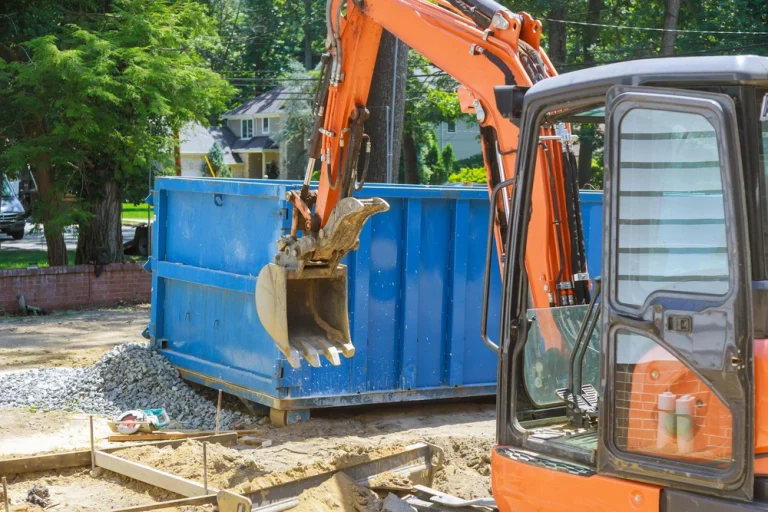
After a fire, you’ll find your premises scattered with debris that needs prompt removal. This step is crucial to prevent further damage and potential hazards. Initially, you’ll focus on clearing out non-salvageable items and structural debris, ensuring a safer space for subsequent restoration tasks.Water Removal and Drying
Firefighting efforts often leave excessive water that must be rapidly removed to mitigate water damage. Industrial-grade dehumidifiers and air movers are essential in this phase to thoroughly dry out the premises. The drying process is methodical to ensure no moisture lingers, which could lead to mold growth or further structural damage.- Step 1: Extract standing water using pumps.
- Step 2: Deploy dehumidifiers to remove airborne moisture.
- Step 3: Utilize air scrubbers to enhance the drying process and purify the air.
Soot and Smoke Odor Elimination
Soot and smoke odors are pervasive and challenging to eliminate. Professionals use advanced soot removal techniques and tools to clean surfaces. Air scrubbers and deodorization agents aim to neutralize odorous particles and restore air quality, ensuring no lingering smoke smells in your business environment.- Surfaces: Clean all surfaces with soot-removal compounds.
- Air Quality: Install air scrubbers to filter out particulate matter.
- Odors: Employ deodorization techniques to eliminate smoke odors.
Restoration and Rebuilding
After a fire devastates your business, the road to recovery involves careful restoration and rebuilding efforts. These critical steps ensure your property’s structural integrity, aesthetic appeal, and functional design.Structural Repairs
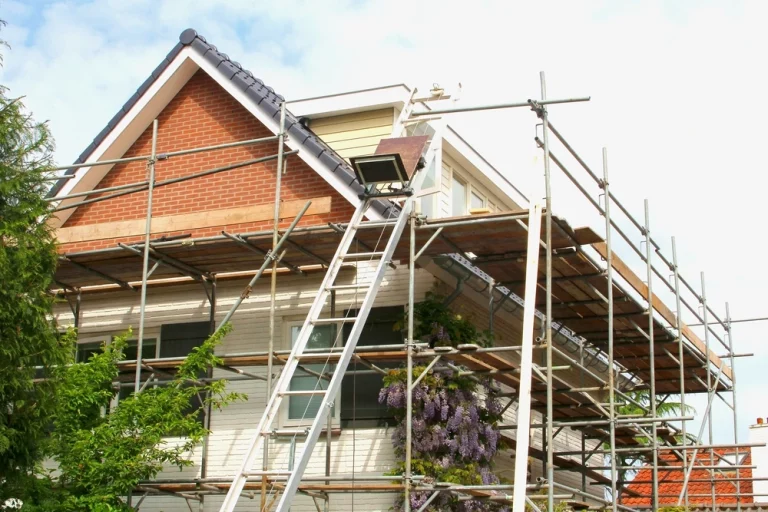
The backbone of any restoration process involves repairing your building’s structure. A restoration company will first assess the extent of fire damage to foundational elements. Significant aspects include:- Inspection of Load-Bearing Walls: Ensuring they are intact and proposing reinforcements if necessary.
- Replacement of Damaged Framework: Utilizing robust building materials to replace charred supports and beams.
Restoring Walls and Paint
Next, restoring the walls brings your business’s interior space back to life. Attention to detail and precision are key for:- Soot and Damage Cleanup: Professionals will thoroughly clean walls, removing all traces of soot and fire damage.
- Repainting: Applying high-quality paint resistant to future damage, giving your space a fresh, new appearance.
Furnishing and Decor
The final touch to the rebuilding process is refurnishing your space, consisting of:- Selection of Furnishings: Choose furnishings that reflect your business’s brand and comfort for both employees and customers.
- Interior Design: Strategically placing decor to enhance the overall ambiance and functionality of your business environment.
Preventing Future Incidents
 Effective prevention strategies are essential to protect your business from future fires. By prioritizing updated alarm systems and comprehensive education for those who occupy your building, you fortify your defenses against potential fire risks.
Installing Updated Alarms
Commercial fires require swift detection to minimize damage and ensure safety. Investing in advanced alarm systems is critical:- Smoke Detectors: Install smoke detectors that meet the latest industry standards. Regularly test and replace batteries to ensure functionality.
- Heat Sensors: In areas where smoke detectors are less effective, such as kitchens, use heat sensors.
- Monitored Alarms: Consider monitored alarm systems that automatically alert emergency services.
- Regular Maintenance: Schedule inspections for alarm systems to check for any malfunctions or necessary updates.
Educating Tenants or Employees
Home fire prevention techniques are well-known, but commercial fires demand specialized knowledge tailored to the workplace:- Fire Safety Training: Provide regular training sessions on fire safety protocols, including evacuation routes and handling of fire extinguishers.
- Clear Communication: Make sure your tenants or employees are informed about the steps they can take to prevent fires, such as managing electrical cords and avoiding the misuse of equipment.
- Emergency Response Plan: Develop and distribute a comprehensive emergency response plan detailing procedures for different scenarios.
- Engagement: Encourage proactive engagement by offering workshops or educational materials that pertain to fire safety responsibilities.