Key Takeaways
- Prioritize your safety by assessing structural damage before beginning cleanup efforts.
- Implement thorough cleaning and disinfection to prevent mold and protect health.
- Understand insurance coverage to facilitate financial assistance for repairs.

Preparing for Cleanup
Before stepping into the aftermath of a hurricane, it’s critical that you prioritize safety and accurately evaluate the extent of the damage. Taking these initial steps ensures that you’re protected and that you can effectively communicate the impact when seeking assistance or filing insurance claims.Safety Measures and Gear
Your safety is paramount when dealing with storm damage. It’s essential to equip yourself with the right gear to avoid injuries from hazards like sharp debris, contaminated standing water, or exposed electrical lines. Always wear:- Gloves: Thick, heavy-duty gloves protect your hands from cuts, scrapes, and other injuries.
- Boots: Sturdy boots with slip-resistant soles prevent falls and keep your feet safe from nails and broken glass.
- Mask: A respirator or N95 mask will shield you from inhaling dust, mold spores, and other airborne contaminants.
- Goggles: Safety goggles are crucial to protect your eyes from harmful exposure.
- Hard Hat: A hard hat defends against head injuries from falling debris or unexpected structural weaknesses.
Assessing the Damage
Once you’re properly geared up, your next focus should be on determining the extent of structural damage. Be careful as you inspect your property:- Check for signs of damage to the foundation, walls, and roof.
- Look for broken pipes, gas leaks, or damaged electricity lines and avoid those areas.
- Do not enter if you suspect any form of structural compromise.
- Document all damage meticulously for your insurance claim. Take photos or videos of your personal property, structural issues, and any damaged belongings.
- Keep a detailed inventory for reference during the insurance claim process but prioritize your safety above salvaging items.
Cleaning and Disinfecting
After a hurricane, the immediate goals are to remove water and debris, prevent and remediate mold, and thoroughly clean and disinfect appliances and hard surfaces. This process is crucial to restoring your home to a safe and livable condition.Removing Water and Debris
First, ensure you’re wearing sturdy work gloves or rubber gloves to protect your hands from sharp objects and contaminants. Use a wet/dry vacuum to remove standing water. Sweep out debris with a broom and gather it for proper disposal. Open windows and set up a dehumidifier to remove excess moisture and aid in the drying process.Mold Prevention and Remediation
Mold can develop within 24-48 hours following a flood. To prevent mold growth, keep airflow constant with fans and dehumidifiers. For existing mold, mold remediation should be thorough. Surfaces with mold should be cleaned with a cleaning solution that includes bleach or another disinfectant designed to kill mold. Always ensure the room is well-ventilated when using harsh chemicals.Cleaning Appliances and Hard Surfaces
Cleaning your appliances and hard surfaces starts with a detailed wipe-down using a cleaning solution. For appliances, be careful to follow the manufacturer’s guidelines to avoid electrical hazards. Apply a disinfectant on all hard surfaces, which includes floors, countertops, and other areas affected by the storm. Do not forget to clean your HVAC system as it can harbor water and mold, potentially spreading contaminants throughout your home.Repairs and Rebuilding
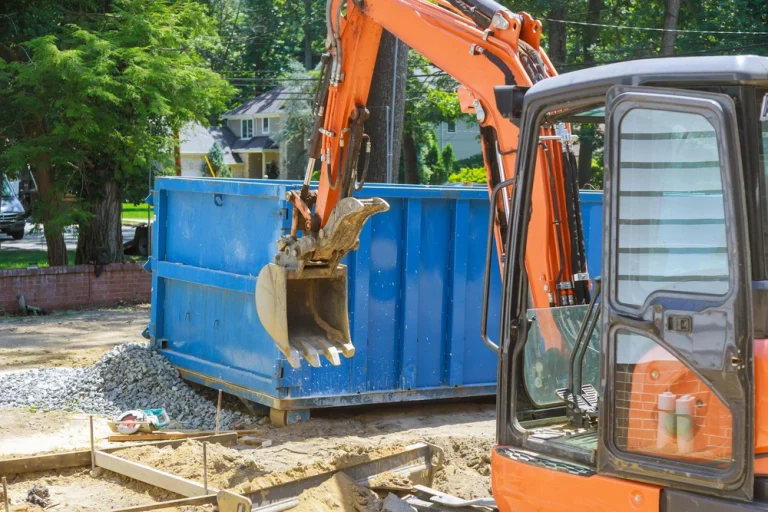
 After a hurricane, the main focus is to ensure the safety and functionality of your home. Tackling structural integrity, essential systems, and the restoration of living spaces are paramount. You will likely need a residential dumpster rental from Waste Removal USA to help keep things safe as you repair and rebuild after hurricane damage has been cleaned up.
Addressing Structural Damage
First, inspect your home for any structural damage. This may include compromised foundations, broken roof trusses, or damaged load-bearing walls. Use tarps to temporarily cover any breaches in the exterior to prevent further water entry. Engage a professional contractor to assess the severity of structural damage. Ensure all repairs are done to code, prioritizing stability and safety.Electrical and Plumbing Systems
Your home’s electrical system and plumbing must be methodically checked by licensed professionals. For electricity, hire an electrician to evaluate your wiring, outlets, and service panels for water damage and corrosion. Plumbing inspections should detect any broken pipes or leaks that could lead to further damage. Before using power tools or restoring electricity, confirm that your home is dry to avoid electrocution.Walls, Flooring, and Furniture
Water’s impact on your home’s interior can be significant. Wet drywall needs removal to thwart mold. You may need to replace sections of walls or entire panels. For flooring, remove waterlogged carpets and assess the subfloor for damage. Furniture, especially absorbent items like mattresses and bedding, should be evaluated for water damage. In many cases, it is best to replace these items rather than attempt repair.Insurance and Financial Aid
 In the aftermath of hurricane damage, you’ll primarily be dealing with two forms of financial relief: navigating insurance claims and seeking government assistance. They both serve as vital steps to manage recovery costs and it’s important to understand how to effectively work with each system.
Navigating Insurance Claims
After hurricane damage, your first step should be to promptly file a claim with your insurance company. For homeowners, it’s crucial to know what your homeowners insurance policy covers. Most policies cover wind damage, but flood damage is often excluded and requires separate flood insurance often offered through the National Flood Insurance Program (NFIP). Here are the steps and tips:- Contact your insurance agent immediately to report the damage.
- Document all damage with photos and detailed notes before any clean-up.
- Keep receipts of all repairs and living expenses if you’re displaced.
- Understand your policy’s deductible and coverage limits.
Seeking Government Assistance
FEMA provides financial aid for disaster-related cleaning and repairs, which can be crucial, especially if your losses are not fully covered by insurance. To seek government assistance:- Apply for disaster assistance at DisasterAssistance.gov, by calling FEMA, or through the FEMA mobile app.
- Report the damage and cleaning expenses accurately to ensure you receive the aid you need.
- Note that FEMA assistance is not a substitute for insurance but can offer valuable aid to those who are uninsured or underinsured.