Key Takeaways
- Utilizing concrete dumpster rental services simplifies on-site waste management.
- Local disposal regulations dictate the proper handling of discarded concrete.
- Planning the disposal process helps in meeting project and environmental demands.
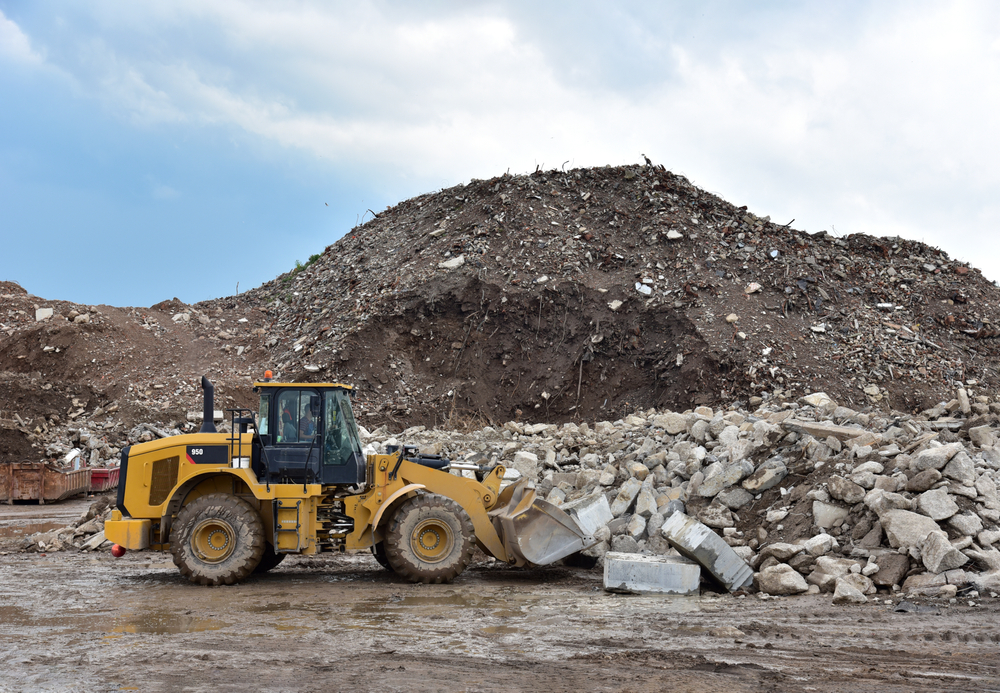
Understanding Concrete Disposal
When considering getting rid of excess concrete, it’s important for you to know about the recycling possibilities and the environmental implications of disposal.Concrete Recycling Basics
Concrete recycling is a process where concrete debris from construction and demolition is collected and repurposed for new construction. This typically involves crushing the material to create products like new concrete aggregate or road base material. Options for recycling in your area can be found at facilities listed, such as those provided by Recycling Systems Inc. in Chicago. Additionally, you might consider contacting local construction and demolition waste recycling center facilities as they often accept concrete.Environmental Impact of Concrete Disposal
Improper disposal of concrete can have significant environmental consequences. If not managed correctly, it can contribute to landfill overcrowding and the wasteful use of resources. By choosing to recycle your concrete, you are helping to reduce greenhouse gas emissions and conserve natural resources by lessening the need for new materials. Remember, concrete disposal isn’t just a throw-away task; it’s a chance to contribute to a more sustainable construction future.Local Concrete Disposal Options
When disposing of concrete, your primary concerns should be ensuring proper environmental practices and finding cost-effective solutions. Local concrete disposal options vary based on geographic location and available facilities, but typically include concrete waste drop-off centers, licensed disposal services, and concrete dumpster rentals.Concrete Waste Drop-off Facilities
For smaller projects with limited amounts of concrete, you can take your waste to local landfills or transfer stations equipped to handle concrete and asphalt. These facilities often process the material for recycling, which can then be used in new construction projects. Check with your local waste management provider for specific details, as some may charge a fee depending on the weight and amount of concrete.Licensed Concrete Disposal Services
If you prefer not to handle the disposal yourself, hiring a professional service that specializes in construction debris removal, including concrete, can be a viable option. These companies are typically licensed for proper disposal and recycling of your waste. They may offer additional services such as clean-up and transportation, which not only ensures that your concrete is disposed of in compliance with regulations but also takes the burden off your to-do list.Renting a Concrete Dumpster
For bigger projects with a substantial amount of concrete, renting a dumpster might be your most efficient choice. Dumpster rental companies usually offer different sizes to accommodate the scope of your project. Once the dumpster is filled, the rental company takes care of the proper disposal. Make sure to verify rental terms and weight limits to avoid additional charges.Planning for Concrete Disposal

Assessing Your Disposal Needs
Firstly, determine the quantity of concrete you need to dispose of. Measure the volume in cubic yards, considering that a standard pickup truck can typically hold about 2 to 3 cubic yards of concrete. Ensure you identify any local regulations that may affect your disposal method. Some locales might require concrete to be recycled instead of ending up in a landfill.Disposal Cost Considerations
Cost is a critical factor when planning for concrete disposal. Prices can vary, depending on factors such as:- Quantity: Larger quantities can often mean lower cost per unit due to economies of scale.
- Location: Distance to the nearest recycling center or landfill can influence transportation costs.
- Facility Fees: Different facilities charge varying fees for concrete drop-off.
- Recycling: Sometimes, recycling concrete can be more cost-effective than disposal at a landfill.