Key Takeaways
- Choose the right dumpster size and rental duration to avoid unnecessary costs
- Negotiate rates and look for package deals to maximize savings
- Implement efficient waste sorting and management practices on-site

Understanding Dumpster Rental Basics
Dumpster rentals offer contractors an efficient waste management solution. Selecting the right type and size of dumpster is crucial for maximizing cost-effectiveness and project efficiency.Types of Dumpsters and Their Uses
- Roll-off dumpsters are the most common type for construction projects. These containers have an open top and range from 10 to 40 cubic yards in capacity.
- Front-load dumpsters are typically used for ongoing commercial waste collection. They’re smaller, ranging from 2 to 8 cubic yards.
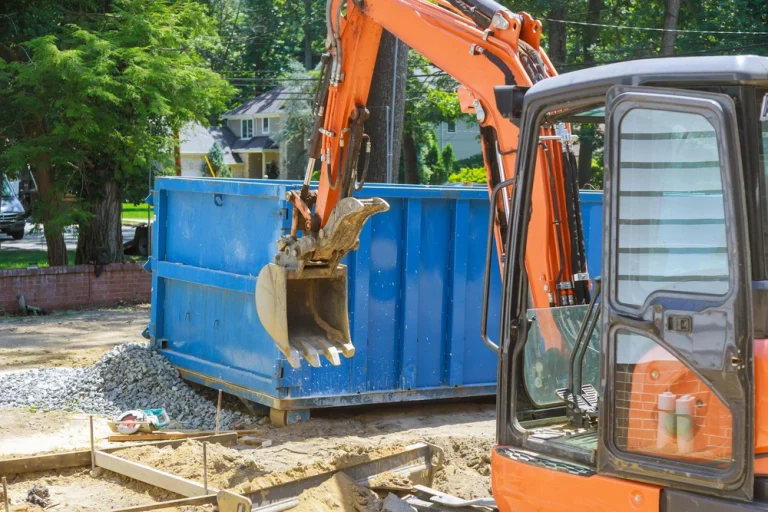
- Specialized dumpsters cater to specific needs. Concrete dumpsters have reinforced walls for heavy debris. Dumpster rentals for construction projects often include these options.
Determining the Right Dumpster Size
Selecting the appropriate dumpster size is critical to avoid overage fees or multiple hauls. 10-yard dumpsters suit small renovation projects or yard cleanups. 20-yard containers are ideal for medium-sized remodeling jobs. 30-yard dumpsters accommodate larger construction or demolition projects. 40-yard containers are best for major construction sites or large-scale cleanouts. Estimate your waste volume carefully. Overloading a dumpster can lead to additional charges. Dumpster rental costs vary based on size, with prices ranging from $375 to $1,200. Consider the types of materials you’ll dispose of. Bulky items may require a larger container even if the total volume is low.Strategies for Cost-Effective Waste Management
Implementing smart waste management strategies can significantly reduce your project costs and improve sustainability. By focusing on planning and recycling, you can optimize your dumpster rental expenses.Planning for Sustainability in Waste Disposal
Start by creating a comprehensive waste management plan. Assess the types and quantities of waste your project will generate. This allows you to choose the right dumpster size, avoiding overpayment for unused space. Consider adopting just-in-time delivery for materials. This approach minimizes excess materials and reduces waste. It also helps keep your work site organized and efficient. Explore opportunities for reusing materials on-site. Concrete and wood from demolition can often be repurposed in new construction. This reduces disposal costs and the need for new materials. Train your team on proper waste sorting techniques. Clearly label different containers for various waste types. This preparation ensures efficient disposal and maximizes recycling potential.Maximizing Recycling Efforts
Set up a dedicated recycling system on your job site. Separate recyclable materials like metal, wood, and cardboard. Many recycling facilities offer reduced rates for pre-sorted materials, lowering your overall disposal costs. Research local recycling facilities and their requirements. Some may accept mixed recyclables, while others require separation. Understanding these guidelines helps you optimize your recycling process. Consider partnering with specialty recyclers for materials like concrete or drywall. These companies often offer competitive rates and ensure materials are properly recycled or repurposed. Educate your team on the importance of recycling. Encourage them to identify recyclable items and dispose of them correctly. This collective effort can significantly reduce your waste management expenses.Choosing the Right Dumpster Rental Provider
 Selecting the ideal dumpster rental provider is crucial for contractors looking to optimize their waste management processes. A reliable partner can significantly impact your project’s efficiency and cost-effectiveness.
Assessing Customer Service and Support
When evaluating dumpster rental companies, prioritize those with exceptional customer service. Look for providers that offer prompt responses to inquiries and clear communication throughout the rental process. A company’s willingness to address your concerns and provide accurate information is a strong indicator of their reliability. Consider the availability of support services. Does the provider offer 24/7 customer support? This can be invaluable if you encounter issues outside regular business hours. Check if they provide on-site assistance or guidance for proper dumpster usage and waste disposal. Read customer reviews and testimonials to gauge the experiences of other contractors. Pay attention to feedback about punctuality, problem-solving abilities, and overall satisfaction with the rental experience.Evaluating Waste Management Solutions
Examine the range of dumpster sizes and types offered by potential providers. A diverse selection allows you to choose the most suitable option for your specific project needs, potentially reducing costs by avoiding oversized containers. Inquire about the company’s waste sorting and recycling practices. Providers that prioritize environmentally friendly disposal methods can help you meet sustainability goals and potentially reduce disposal fees. Ask about their delivery and pickup procedures. Flexible scheduling options can help you minimize downtime on your construction site. Some companies offer same-day or next-day delivery, which can be crucial for time-sensitive projects. Consider any additional services offered, such as waste audits or consultations. These can help you optimize your waste management strategy and potentially identify cost-saving opportunities.Practical Advice for Contractors
Contractors can significantly reduce dumpster rental costs by avoiding common pitfalls and leveraging industry insights. These strategies can lead to substantial savings on waste management expenses.Avoiding Common Rental Pitfalls
Choose the right dumpster size for your project. Overestimating can result in unnecessary costs, while underestimating may require additional rentals. Accurately assess your waste volume before renting. Be mindful of weight limits. Exceeding these can lead to hefty overage fees. Sort your waste and dispose of heavy materials separately when possible. Plan your rental duration carefully. Extending your rental period often costs less than rushing and incurring late fees. Communicate clearly with your rental provider about project timelines. Avoid prohibited items. Placing hazardous materials in your dumpster can result in fines. Familiarize yourself with local regulations and disposal guidelines.Industry Insights for Cost Savings
- Negotiate long-term contracts for ongoing projects. Many providers offer discounts for extended rentals or multiple dumpsters.
- Consider scheduling your rental during off-peak seasons. Prices may be lower when demand is reduced.
- Explore alternative disposal methods for recyclable materials. This can reduce your overall waste volume and rental needs.
- Implement efficient on-site waste sorting. This practice can help you maximize dumpster space and potentially downsize to a smaller, less expensive unit.
- Partner with other contractors for shared dumpster use on smaller jobs. This can split costs and increase efficiency for all parties involved.
Managing Dumpster Rentals on a Demolition Project
 Demolition projects generate substantial waste, making efficient dumpster management crucial. Proper planning can help you save money and keep your site organized.
Start by accurately estimating the amount and types of debris you’ll produce. This helps in selecting the right dumpster size and avoiding overage fees. Consider renting multiple smaller dumpsters instead of one large container. This allows for better waste segregation and can be more cost-effective for longer projects.
Strategic dumpster placement is key. Position containers close to work areas but ensure they don’t obstruct equipment or create safety hazards. Communicate clearly with your team about proper disposal practices. Educate workers on what materials can and cannot go into each dumpster to avoid contamination and potential fines.
Tips for efficient dumpster use:
Demolition projects generate substantial waste, making efficient dumpster management crucial. Proper planning can help you save money and keep your site organized.
Start by accurately estimating the amount and types of debris you’ll produce. This helps in selecting the right dumpster size and avoiding overage fees. Consider renting multiple smaller dumpsters instead of one large container. This allows for better waste segregation and can be more cost-effective for longer projects.
Strategic dumpster placement is key. Position containers close to work areas but ensure they don’t obstruct equipment or create safety hazards. Communicate clearly with your team about proper disposal practices. Educate workers on what materials can and cannot go into each dumpster to avoid contamination and potential fines.
Tips for efficient dumpster use:
- Flatten boxes and break down large items
- Fill corners and gaps to maximize space
- Avoid overloading dumpsters
- Schedule regular pickups to maintain site cleanliness