Key Takeaways
- Cleanup manages waste from subway construction.
- Infrastructure upgrades enhance transit systems.
- Community and environment benefit from organized operations.

Project Planning and Management
Effective project planning and management are essential in subway construction cleanup to minimize disruptions and ensure efficient operations. Considerations include assessing the impact on transit operations and employing strategies for timely completion to keep projects on track.Assessing the Impact on Transit Operations
When planning subway construction cleanup, it’s crucial to understand its impact on transit operations. For instance, the MTA in New York City faces challenges in maintaining continuous service while undertaking extensive cleanup and repairs. A thorough analysis of existing transit schedules helps identify potential conflicts. To minimize disruptions, alternative routes can be planned. This involves closely coordinating with transit agencies and ensuring that any necessary closures are communicated well in advance. Utilizing technology for real-time updates on transit schedules is also advantageous. This keeps commuters informed and reduces the likelihood of unexpected delays. Regular stakeholder meetings can further ensure any changes in operations are managed effectively.Strategies for Timely Completion
Timely completion of cleanup work in subway construction requires meticulous planning and coordination. Implementing a phased approach allows for manageable segments of work, reducing the overall impact on transit operations and ensuring efficient progress. Prioritizing tasks and setting clear deadlines are fundamental. Utilize data-driven planning tools for scheduling and resource allocation. This ensures that all necessary manpower and materials are available when needed. Collaborating with experienced contractors familiar with the complexities of subway environments can also mitigate delays. Regular monitoring and adjustments to the project timeline help in staying aligned with goals. Establish performance metrics and milestones to gauge progress and make informed decisions. Efficient communication among the project team, transit authorities, and stakeholders is vital in maintaining timelines and managing expectations.Clean-Up Operations
Managing subway construction cleanup involves several critical tasks to maintain efficiency and safety. These tasks include preventing track fires, efficient trash removal, and implementing effective graffiti control strategies.Prevention of Track Fires
Track fires can pose a serious threat to subway operations and passenger safety. You should ensure regular inspections and maintenance of tracks to spot potential fire hazards. Encourage the use of non-combustible materials during construction and consider implementing automatic fire detection systems for early warning. Properly disposed trash and debris after construction can significantly reduce risks. Establishing strict guidelines for construction material storage and waste disposal is essential in preventing these incidents.Efficient Trash Removal
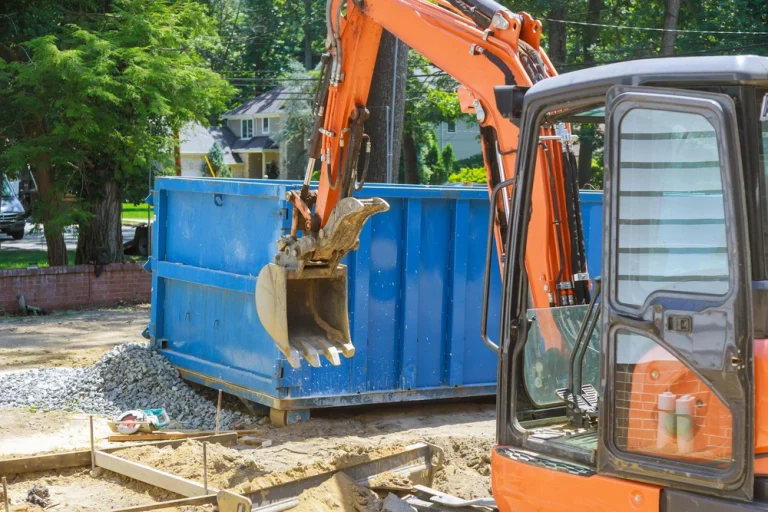
Effective trash removal is crucial in keeping the station environment clean and safe. Utilize dedicated trash removal teams to handle construction debris promptly. Implement a regular schedule to ensure that all waste is collected and transported to appropriate disposal sites. Consider investing in specialized equipment to handle heavy debris efficiently, such as the right dumpster rental size. This helps prevent pile-ups that can obstruct track access and compromise passenger safety.Graffiti Control Strategies
Graffiti control in subway systems is essential to maintain a clean and welcoming station environment. Develop a rapid-response team specialized in graffiti removal to address vandalism quickly. Consider the use of anti-graffiti coatings on vulnerable surfaces, making cleanup easier and faster. Community engagement programs can also be effective in reducing incidents of graffiti. Encourage local artists to contribute to public art projects which can deter unauthorized graffiti and beautify stations.Environmental and Community Considerations
 Effective subway construction cleanup addresses both environmental concerns and the well-being of local communities. Key areas include managing noise and dust levels to minimize disruption and ensuring public safety during and after the construction process.
Noise and Dust Management
Noise pollution during subway construction can disrupt daily life, particularly in dense urban areas like New York City. Mitigation measures include using sound barriers and scheduling noisy activities during less disruptive hours. For dust control, water sprays and dust suppressants are often used. Regular monitoring ensures compliance with local regulations. Protective measures limit particulate matter exposure, safeguarding community health. Attention to these elements fosters a cooperative relationship with nearby residents, reducing potential conflicts and enhancing project acceptance.Ensuring Public Safety
Public safety during subway construction is crucial. Clear signage and barriers around work zones are vital to prevent pedestrian accidents. Regular safety audits help identify and mitigate risks, ensuring standards are met consistently. Emergency response plans should be in place, providing rapid action in case unforeseen events occur. Effective communication between the construction team and the community helps in addressing immediate safety concerns. Prioritizing such measures reinforces confidence among residents and maintains the smooth progress of the construction project.Infrastructure Upgrades
Infrastructure upgrades in the subway system focus on improving track technology and enhancing the environment within the stations. These initiatives aim to increase reliability and provide a better commuting experience for you.Modernizing the Subway Track System
Upgrading the subway track system involves replacing aging components and introducing advanced technology. Modern tracks reduce delays and enhance safety. For instance, the renovation of the Second Avenue Subway is a key project focusing on integrating modern signaling systems. New rails and ties improve speed and efficiency. Installing fiber-optic cables allows for faster communication and maintenance. This ensures smoother operations and less downtime, keeping your travel seamless. Such upgrades are essential for accommodating increasing passenger volumes and maintaining on-time performance across the network.Innovations in Station Environment
Enhancing the station environment focuses on aesthetics, accessibility, and technology. Projects like the upgrades at Court Square Station highlight the importance of these improvements. Cleaner, brighter spaces make your commute more pleasant, while modernized entrances improve accessibility for all users. Enhanced security systems, such as increased surveillance cameras, ensure safety. Upgraded information displays keep you informed about schedules and delays in real-time. Green initiatives, like improved lighting and ventilation systems, also contribute to a more comfortable and sustainable environment. Such innovations aim to transform your daily experience, ensuring stations are both functional and welcoming.Case Studies
 The complexity of subway construction and renovation often brings unique challenges and breakthroughs. By examining specific case studies like the Second Avenue Subway Expansion and the Renovation of Court Square Station, you can gain insights into the intricacies and successes of these projects.