Key Takeaways
- Assessing sidewalk damage is essential before starting repairs.
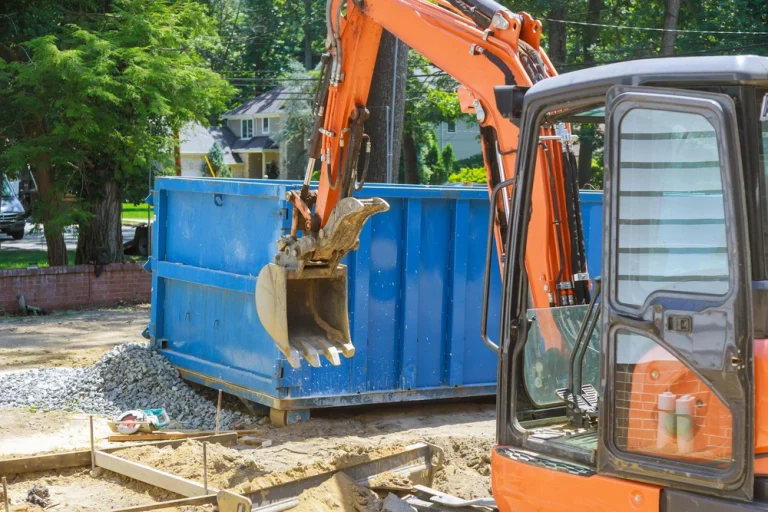
- Concrete dumpster rental is advisable for efficient debris disposal.
- Regular maintenance can sustain the sidewalk’s condition post-repair.

Evaluating Sidewalk Damage
Before attempting any repairs, it’s critical to accurately evaluate the damage to your concrete sidewalk. This includes identifying common issues that are visible to the naked eye and understanding the severity, which can determine the appropriate repair method.Identifying Common Issues
Your concrete sidewalk can suffer from various issues that compromise its integrity. Cracks are among the most common, ranging from hairline fissures to wider gaps. Spalling, the presence of pitted areas or chipped surfaces, is another indicator of damage. Additionally, look out for unevenness which often signifies ground movement beneath the sidewalk.Assessing Severity
Once you’ve identified the damage, you need to assess its severity to plan the repair strategy. For minor cracking or chipping, a simple Vinyl Patcher application might suffice. However, if there are signs of substantial spalling, the affected area may require more extensive repairs, such as cutting into the concrete to ensure a solid bonding surface for the new material. Assessing the severity of unevenness is also essential; it can often indicate deeper substrate issues that may necessitate a more comprehensive solution like PolyRenewal.Planning the Repair
Before you begin the process of mending your concrete sidewalk, a clear strategy is essential. You will need to decide on the appropriate materials for your repair and define the extent of work required to restore the concrete’s integrity and appearance.Choosing Repair Materials
When repairing a concrete sidewalk, selecting the right materials is crucial for ensuring durability and longevity. For small cracks and holes, a concrete patching compound is often sufficient. However, if the damage includes large, chipped, and pitted areas, you may need a vinyl patcher, which can provide a new level surface and clean edges to the affected areas. Remember that the chosen material needs to adhere well to the existing concrete and withstand weather conditions specific to your location.Determining the Scope of Work
The extent of the repair work varies greatly depending on the sidewalk’s condition. To assess the scope of work:- Examine the entire sidewalk for damage.
- Measure the areas that need repair to calculate the materials needed.
- Decide whether you’re dealing with surface issues, such as small cracks that can be addressed by resealing, or if there’s substantial damage that requires concrete leveling or a complete resurface.
Executing the Repair
 When you’re ready to repair your concrete sidewalk, a methodical approach will ensure durability and safety. Focus on thorough surface preparation, precise removal of damaged concrete, and accurate mixing and pouring techniques.
Surface Preparation
Before any new concrete is placed, it’s essential to ensure that the base is stable and clean. Remove any debris, dirt, or loose particles. Assess the area to confirm that the existing concrete around the repair site is solid and intact; this will aid in the bonding of the new material.Concrete Removal
For areas that are chipped and pitted, carefully cut a shoulder around the damaged part to establish a sound edge for the new concrete to bond. Saw to a depth of 3/8-in. to ½-in. into the concrete, using slow, steady saw movements. The goal is to remove all the weakened material without causing additional damage to the surrounding concrete.Mixing and Pouring Concrete
Once the site is prepared, mix concrete according to the manufacturer’s specifications, ensuring a consistent, lump-free consistency. Pour the mix into the prepared area, trowel it smooth, and finish the surface to match the existing sidewalk texture. Allow adequate time for the concrete to cure, which may range from several hours to days depending on the product and weather conditions.Finishing Touches
After repairing or resurfacing your concrete sidewalk, the application of finishing touches is essential to ensure the longevity and durability of the surface.Curing the Concrete
Once the concrete repair is complete, it must undergo a curing process. Curing is crucial as it allows the concrete to reach its maximum strength. You should keep the new concrete moist for at least 7 days by covering it with wet burlap or by applying a curing compound. This prevents the concrete from drying too quickly, which can lead to cracking or weakened surfaces.Sealing and Waterproofing
Sealing your concrete is the final step to protect your investment from weather elements and extend its life. A quality sealer will block the pores in the concrete to reduce absorption of water and salts and will form an impermeable layer to prevent such damage. Apply the sealer as directed on the product label—usually this entails a thin, even coat using a sprayer or roller. Waterproofing especially is essential in climates with freeze-thaw conditions, as it helps to prevent the occurrence of cracks and surface flaking.Maintenance Tips
 Proper maintenance is essential to extend the lifespan of your concrete sidewalks and to avoid costly repairs. Regular inspection and preventive measures are key to keeping your concrete in top condition.
Regular Inspection
- Frequency: Inspect your sidewalk biannually to identify any cracks, uneven sections, or signs of wear.
- Weather Impact: Pay special attention to changes after extreme weather conditions, as these can accelerate damage.
Preventive Measures
- Sealing: Apply a concrete sealer every two to three years to protect against water penetration and freeze-thaw cycles, which can be found with instructional tips for concrete sealing.
- Cleaning: Keep the sidewalk free of debris using a pressure washer or stiff-bristled brush to prevent buildup that can cause staining or damage.