Key Takeaways
- Proper waste management reduces landfill contributions and conserves resources.
- Dumpster rentals can help manage construction debris effectively.
- Staying updated on industry regulations ensures compliance and sustainability.

Understanding Construction and Demolition Waste
Construction and demolition waste poses significant challenges and opportunities for effective waste management. Recognizing its composition and importance can lead to better methods for reducing, reusing, and recycling materials, thus benefiting both the environment and the economy.Composition of Construction and Demolition Waste
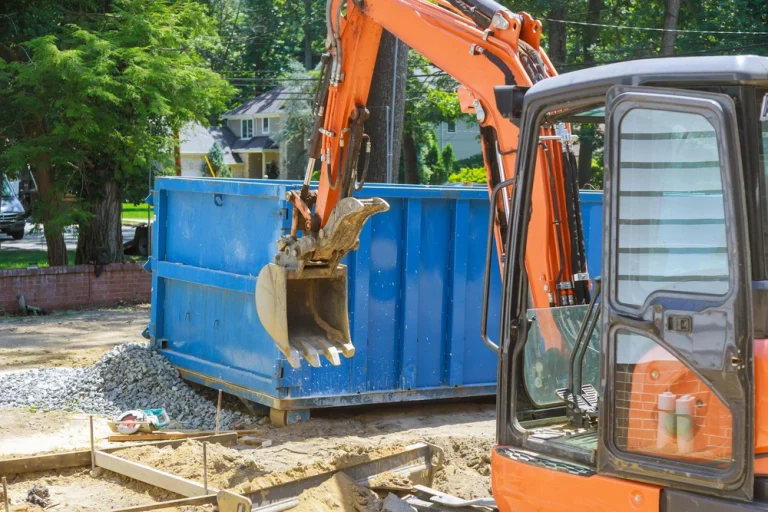
Construction waste includes materials like concrete, wood, metals, and glass, while demolition waste often comprises bricks, shingles, and other debris from buildings. Identifying the varying types of materials is crucial for sorting and efficient disposal. Large-scale projects often generate substantial amounts of debris, which can be managed through strategic planning. Utilizing construction dumpster rentals can aid in organizing and removing waste promptly, preventing unnecessary clutter on-site.- Concrete and asphalt: Predominantly from roadwork and demolition.
- Wood and plywood: Often found in residential construction and renovations.
- Metals: Typically include steel and aluminum from infrastructure projects.
- Glass and plastics: From windows, doors, and piping.
Importance of Waste Management in Construction
Effective waste management in construction reduces landfill use and conserves natural resources. Proper methods include sorting materials at the source, recycling, and reusing within new projects. Strategically planning for waste reduction can significantly impact project costs. By minimizing waste, you can reduce disposal fees and potentially sell recyclable materials.- Environmental benefits: Reducing waste sent to landfills mitigates pollution and conserves resources.
- Economic advantages: Efficient waste management can lower project costs and enhance profitability.
- Regulatory compliance: Meeting local and federal regulations ensures legal operation and avoids penalties.
Strategies for Waste Minimization
To effectively minimize waste in construction projects, it’s crucial to implement a mix of source reduction techniques, reuse of materials, and recycling strategies. These practices help in reducing waste at its origin, reusing materials within the site, and recovering useful materials through recycling methods.Source Reduction Techniques
Source reduction focuses on minimizing waste before it is created. One such technique involves meticulous project planning and efficient design to ensure that materials are used optimally. Using prefabrication and modular construction can drastically minimize on-site waste, as these methods rely on precisely cut materials that greatly reduce leftovers. Additionally, renting dumpsters plays a significant role in managing waste and debris efficiently. Proper inventory management and material procurement aligned with the project timeline prevent over-ordering and subsequent wastage. By adhering to these principles, you significantly cut down the amount of waste generated, contributing to sustainable management practices.Reuse of Materials in Construction Projects
Reusing materials directly at the construction site is another effective way to reduce waste. Techniques such as deconstruction allow you to carefully dismantle buildings, salvaging materials that can be utilized in new projects. For instance, reusing wood, bricks, and metals reduces the need for new resources and helps in waste minimization. Site reusing strategies include refurbishing old structures instead of demolishing them and using reclaimed materials for new constructions. This not only minimizes landfill waste but also conserves natural resources. Implementing a structured system for the redistribution and repurposing of excess materials ensures nothing goes to waste, bolstering sustainability in construction practices.Recycling and Recovered Materials
Recycling involves processing used materials into new products, thus diverting them from landfills. It’s essential to incorporate a waste segregation system on-site to separate recyclable materials such as concrete, metals, and plaster. These materials can be sent to specialized facilities where they are transformed into new, usable forms. Using recovered materials like recycled aggregates, reclaimed wood, and recycled metal supports sustainable construction while reducing the energy and resources needed to produce new materials. Another benefit of recycling is the reduced cost associated with waste disposal through commercial dumpster rentals, as this approach helps manage waste and debris effectively. Through a combination of source reduction, material reuse, and recycling, you contribute to an environmentally responsible construction process that minimizes waste and promotes sustainability.Technologies and Innovations for Waste Management
 Sustainable construction waste management can be significantly enhanced by leveraging modern technologies and innovative practices. Key areas include the use of advanced sorting techniques, incorporating Building Information Modeling (BIM), and embracing prefabrication and modular construction methods.
Achieving Sustainability Through Technology
Modern technologies have transformed how waste is managed in the construction industry. Automated sorting systems allow for precise separation of materials, increasing the efficiency of recycling processes. For example, optical sorters classify materials based on visual properties, while magnetic and eddy current separators focus on ferrous and non-ferrous metals. 3D printing has also made a significant impact. Using additive manufacturing techniques, waste materials can be repurposed into new construction components, reducing landfill reliance. Additionally, dumpster rentals provide a practical solution for managing waste and debris on-site, ensuring organized and timely disposal.Role of BIM in Waste Management
Building Information Modeling (BIM) plays a crucial role in minimizing construction waste. By offering a digital representation of the physical and functional characteristics of a project, BIM allows for accurate material estimation and management. Using BIM, project planners can foresee the amounts of materials required, effectively reducing over-ordering and subsequent waste. Clash detection is another feature of BIM, identifying potential conflicts in the design phase, thus preventing inefficient use of resources. Ultimately, adopting BIM leads to more sustainable practices and cost savings.Emerging Trends: Prefabrication and Modular Construction
Prefabrication and modular construction are emerging trends that significantly reduce waste generation. In these methods, components are manufactured in a controlled environment and then assembled on-site. This approach minimizes material excess and damage typically encountered with traditional construction methods. Prefab and modular construction result in streamlined supply chains and more accurate material usage. For instance, constructing walls, beams, and columns off-site cuts down on errors and ensures quality control. This approach promotes efficiency and sustainability, aligning with modern environmental goals.Best Practices in Handling and Segregation
Effective handling and segregation of construction waste are critical for achieving sustainable construction goals. These practices not only enhance material reuse and recycling but also contribute to overall project efficiency.On-site Sorting and Segregation
On-site sorting and segregation are essential strategies for sustainable construction. By creating specific areas for different types of waste, you can improve the efficiency of material diversion and recycling. Separate bins or construction dumpsters should be designated for different categories such as wood, metal, concrete, and general waste. Training your construction teams is crucial. They need to understand how to properly sort materials to ensure maximum salvage and reuse. Proper signage and clear instructions can significantly improve adherence to segregation processes. Regular audits and monitoring are necessary to identify challenges and improve segregation practices. By incorporating these steps, you can reduce the volume of waste sent to landfills and enhance the recycling rate of your construction projects.Effective Disposal Methods
Dumpster rentals play a crucial role in managing construction waste. They offer a practical solution for collecting and transporting different types of debris. When selecting dumpsters, consider the specific needs of your project, including the volume and type of waste generated. For effective disposal, prioritize recyclable materials and divert them from landfills. Metals, concrete, and wood are commonly recyclable and should be sent to appropriate facilities. Hazardous materials require special handling and should only be disposed of at certified disposal sites. Reuse is another key aspect. Salvaging materials such as doors, windows, and fixtures can reduce the demand for new resources and lower disposal costs. Implement a clear plan for the disposal and reuse of construction materials to minimize environmental impact and support sustainability goals.Policy, Regulation, and Industry Standards
 Effective sustainable construction waste management relies heavily on strategic policies, robust regulations, and adherence to industry standards. Emphasis on these areas can significantly reduce environmental impacts and encourage more sustainable building practices.