Key Takeaways
- Converting a garage into a bedroom adds useful space to your home.
- Careful planning and execution of construction steps are vital.
- Comfort is key, with attention to insulation and amenities.

Understanding Garage Conversion Basics
When considering a garage conversion, it’s essential to address two fundamental aspects: the evaluation of your space’s potential and the importance of adhering to relevant regulations.Evaluating Space and Potential
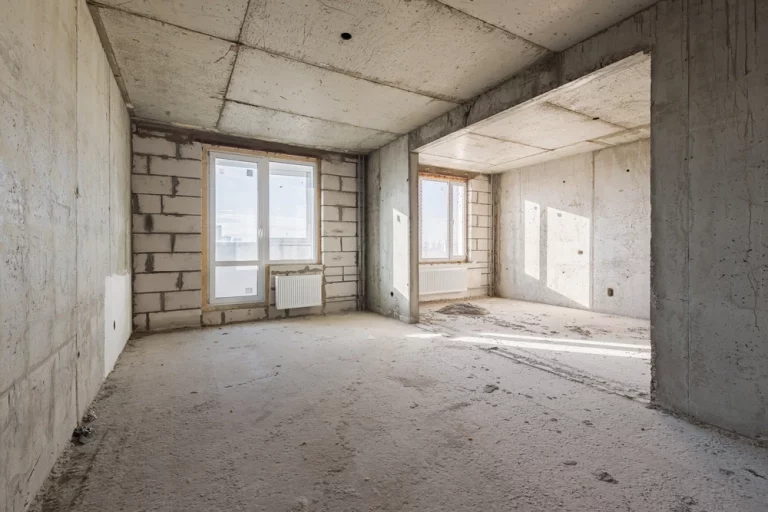
To begin, you need to assess the current condition and size of your garage. Consider the feasibility of converting it into a bedroom and what that space can realistically accommodate. Determine if there’s adequate ventilation, lighting, and insulation to make the space livable. For a standard one-car garage, the average dimensions you’re working with are about 12 by 20 feet, while a two-car garage typically provides you with a space of around 20 by 20 feet. This assessment is crucial for planning the layout of your new bedroom.Navigating Building Codes and Regulations
Before any renovation begins, you must understand and comply with local building codes and regulations. Apply for the necessary building permit as this document is indispensable for legal renovations. It ensures your conversion plans are up to par with safety standards. Remember, regulations may vary if you’re creating an Accessory Dwelling Unit (ADU) as it often involves additional requirements like separate utilities. The permit process might feel daunting, but it is there to guarantee that your converted space is safe to inhabit.Design and Layout Planning
When you embark on the journey to transform your garage into an additional bedroom, consider both functionality and aesthetics. Your decisions regarding design and layout are pivotal, not only for maximizing space but also in ensuring the finished room meets your needs, whether that’s a home office, spare bedroom, or a special retreat.Maximizing Space Efficiency
Efficient use of space is crucial in a garage conversion, considering the often-limited footprint. Start by evaluating the existing layout to envision how it can be best utilized. Think vertically: adding shelving or a loft space can expand your storage options without consuming the floor area. For multipurpose use, such as a playroom during the day and a living room at night, consider furniture that can serve dual purposes or is easily movable.Choosing the Right Layout
The optimal layout hinges on your intent for the room. If you’re aiming for a home office, ensure you position your desk near windows to take advantage of natural light. For a kitchen or wet bar, plumbing access dictates where sinks and appliances can go, so plan accordingly. When drywalling, include insulation to improve energy efficiency and soundproofing, especially if you’re creating a living space. Incorporate bathroom access into your plans if the room will be used as a spare bedroom to enhance privacy and convenience.Essential Construction and Remodeling Steps
 When you embark on converting your garage into a bedroom, focusing on the core components of construction is crucial. These include the installation and upgrading of plumbing and electrical systems, ensuring proper insulation and ventilation, and choosing the right materials for walls, flooring, and ceiling.
Handling Plumbing and Electrical
Before the aesthetics come the essentials. Plumbing and electrical wiring need your first attention. If you’re adding a bathroom, you’ll need to extend the existing plumbing. Consult with a licensed plumber to assess and install any new pipes. For electricity, evaluate the need for additional outlets and lighting fixtures. Hiring a certified electrician to install new electrical circuits and ensure they comply with local building codes is essential.Insulation and Ventilation
Proper insulation is vital for energy efficiency and comfort. Insulate walls, ceiling, and even the garage door to prevent heat loss. For ventilation, installing windows or an HVAC system is necessary to regulate indoor air quality and temperature. This step not only contributes to a comfortable living space but also complies with safety regulations.Walls, Flooring, and Ceiling Finishings
The interior finish will transform your garage from a storage area to a cozy bedroom. Install drywall for the walls to provide a smooth, paintable surface. Flooring can vary from concrete floors which you can stain or seal, tile for durability, to vinyl and carpeting for extra warmth and comfort. For the ceiling, consider a drop ceiling for easy access to utilities or drywall for a more finished look. Each selection should reflect your style while maintaining the bedroom’s functionality.Adding Comfort and Functionality
When you convert a garage into a bedroom, prioritizing comfort and functionality is essential. As you plan your space, think about how lighting, temperature control, and the choice of fixtures will impact your living experience.Lighting and Soundproofing
Your new bedroom needs lighting that adapts to different times of day and activities. Consider adding dimmable LED lights for energy efficiency and versatility. For windows, you could select double-paned glass to allow natural light while also providing soundproofing to keep your space serene.Heating, Cooling, and Indoor Air Quality
To maintain a comfortable atmosphere year-round, incorporate a heating and cooling system tailored to your space’s requirements. A mini-split air conditioner can be a versatile solution, offering both heating and cooling. Adding a dehumidifier helps control moisture, preserving indoor air quality.Selecting Appropriate Fixtures and Appliances
Select fixtures and appliances that complement the bedroom’s size and your lifestyle. Wall-mounted lights or built-in shelving can save floor space. Consult with a licensed general contractor to ensure safe installation and compatibility with existing electrical and plumbing systems.Final Touches and Considerations
 When turning your garage into a bedroom, the finishing touches not only reflect your personal style but also add functionality and value to your new living space. Careful consideration of decor, storage, and financial implications ensures that your project meets both your needs and complies with regulations.