Key Takeaways
- The cost to remove hardwood floors depends on area size, wood type, and job complexity.
- Labor, materials, and disposal fees are the main elements that contribute to the overall expense.
- Preparation and protection of the area can also affect the total cost.

Understanding Hardwood Flooring Removal Costs
When planning to remove your hardwood flooring, it’s crucial to understand the costs involved. This includes labor, disposal, and equipment fees, which can vary significantly based on a few key factors.Factors Influencing Cost
- Size of the Area: Larger areas require more time and labor, increasing the cost.
- Type of Hardwood: Hardwoods like oak or maple may be more challenging to remove than softer woods.
- Adhesive and Installation Method: Floors glued down or nailed can be more labor-intensive to remove.
- Location and Accessibility: Difficult access can lead to higher labor charges.
- Condition of the Wood: Damaged floors may require more care to avoid further deterioration during removal.
Average Cost and Cost Per Square Foot
The average cost to remove flooring can range widely. You’re typically looking at:- Cost Per Square Foot: $1.75 – $3.46 (*varies by region)
- Total Average Cost: Depending on the size and condition, total costs can range from $325 to $375 for standard projects.
Cost Calculator and Estimates
For more precise estimates tailored to your specific situation, a cost calculator can be a valuable tool. By inputting details such as your zip code, project size, and flooring details, you will receive a localized and more accurate cost breakdown.- Prepare Your Data: Have your square footage and any details of the hardwood floor available.
- Use Various Tools: Different calculators might use distinct algorithms or data, providing a range of estimates.
Preparation Steps for Flooring Removal
 Before diving into the task of removing your hardwood floors, it’s crucial to assess the scope of the project and select a contractor who has the proven expertise to handle the job size. Proper planning ensures you understand the scale of work and have the right team on board to execute it effectively.
Evaluating the Project Scope
Understand that the project size is a pivotal factor that affects the complexity and cost of your flooring removal. You should investigate details such as the type of hardwood, the total area to be cleared, and the presence of adhesives or fasteners. Flooring removal can be a demanding process; therefore, accurately assessing your needs will guide you in setting realistic expectations and timelines.Choosing the Right Contractor
When searching for a contractor, prioritize those who are both licensed and insured. This shields you from liabilities and assures that the workmanship adheres to industry standards. Choose a general contractor with a track record of successful flooring removal projects; their professional assurance is invaluable. Do not hesitate to request estimates from multiple contractors to compare pricing—just remember that the lowest bid does not always equate to the best job execution.Materials and Labor Considerations
When you’re planning to remove hardwood flooring, understanding the materials involved and the labor required is crucial for an accurate cost estimate.Types of Hardwood Flooring
Hardwood flooring comes in a range of materials, each with its own cost implications for removal. For example, solid hardwood flooring such as oak, maple, or cherry can be more challenging to remove than engineered wood. Exotic woods like Brazilian walnut or mahogany are often more expensive and require careful handling to preserve the wood for potential resale or donation. Other types like bamboo, red oak, and white oak have their own unique characteristics that affect removal.- Solid Hardwood: Typically nailed or stapled to subflooring
- Engineered Hardwood: Often glued or clicked together, which can simplify removal
- Prefinished Flooring: Can be either solid or engineered; finish may affect removal method
Removal Methods and Project Duration
The method of removal and the project duration depend greatly on the type of flooring and its installation. For nailed solid hardwood, the removal process involves prying up each board and may be labor-intensive, while adhesive-used engineered flooring might require specialized solutions to dissolve the glue.Removal can take anywhere from a day for simple projects to several days for larger areas with more complex flooring types.- Hand Removal: Suitable for smaller areas; time-consuming
- Power Tools: Used for efficient removal of large areas; may increase labor costs but decrease time
- Flooring Condition: Damaged or older floors might be more difficult and time-consuming to remove
Disposal and Cleanup
 When removing or recycling hardwood flooring, you must address the proper disposal of waste and ensuring the area is clear of debris. This stage is critical in maintaining a safe work environment and adhering to local disposal regulations.
Dealing with Waste and Debris
- Sorting out Materials: Initially, separate reusable and recyclable materials from waste, as some hardwood can often be repurposed or recycled.
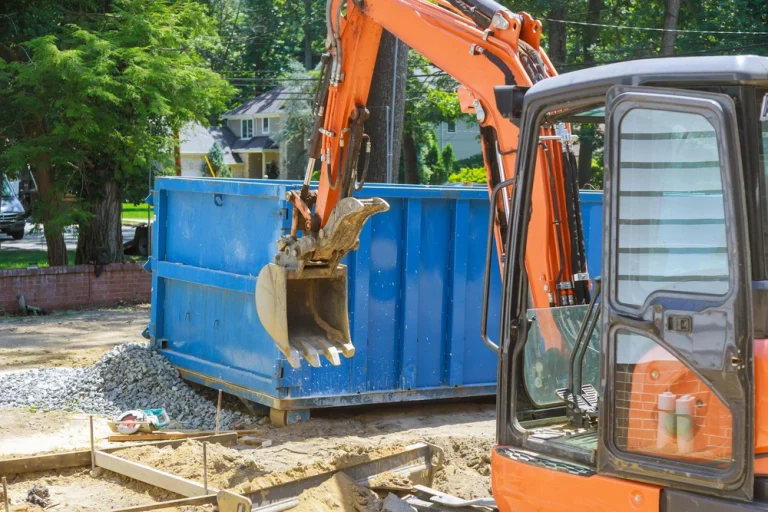
- Debris Disposal Considerations: It’s essential to know your local disposal policies. For non-salvageable material, consider renting a local dumpster or scheduling a pickup with a waste management service.
- Area Clearing: After the flooring is removed and waste is sorted, thoroughly sweep the area to remove all remaining debris, ensuring a clean space for any subsequent renovation work.
Additional Considerations and Costs
When preparing for hardwood flooring removal, it’s important to understand that costs can fluctuate widely due to local market conditions and the scope of your project. The factors highlighted here will directly impact your budget and overall experience with this renovation.Location Variances
The cost to remove your hardwood floors can vary significantly based on where you live. Metropolitan areas often have higher labor rates compared to rural locations. For instance, if you reside in a zip code with high cost of living, prepare for rates on the upper end of the spectrum. To get a localized estimate, websites like Angi or HomeAdvisor can provide insights tailored to your area.Additional Services and Potential Adjustments
Removing your hardwood floors may uncover the need for additional services, including repairs to the subfloor or a complete replacement, which can affect yourbudget. Costs can also adjust if your remodeling project involves more than just removing the hardwood, such as installing new flooring or environmental disposal fees. Should you decide to replace hardwood floors, be mindful that the cost of new material and installation will be added to your total expenditure. When planning for hardwood flooring replacement, thorough research and obtaining multiple quotes is advisable to ensure you align with your financial and project goals.Final Thoughts
Removing hardwood flooring can be a significant undertaking that impacts both your time and budget. When considering the price to remove flooring, it’s essential to measure your space accurately—the cost is typically calculated per square foot. Various factors can influence the cost of hardwood flooring removal, including the thickness and grade of the material, the presence of underlayment or adhesives, and whether the hardwoods are nailed or glued.Keep in mind the following:- Wood Species: Different tree species such as acacia or Brazilian cherry have distinct color, grain, and durability.
- Wood Thickness and Grade: Thicker woods or higher wood grade might require more labor to remove.
- Cuts and Nails: Plain-sawn planks may be easier to take out than rift-sawn planks, and fewer nails generally mean easier removal.