Key Takeaways
- Understanding the process and regulatory requirements is essential for a successful demolition.
- Safe and efficient demolition relies on careful preparation and professional execution.
- Post-demolition cleanup and waste management are integral to the overall project.

Understanding Demolition
When you’re considering taking down a house, it’s essential to distinguish between demolition and deconstruction, understand the types of house demolition, and become familiar with the demolition methods available to you.Demolition vs. Deconstruction
Demolition typically refers to the process of tearing down a building quickly and efficiently, primarily using heavy machinery. In contrast, deconstruction involves manually dismantling a house piece by piece, aiming to salvage materials for reuse. While demolition is a faster solution and usually costs between $4,000 and $14,000, deconstruction is a more labor-intensive approach that can cost significantly more.Types of House Demolition
There are various approaches to demolition, each suitable for different situations. The most common types include:- Mechanical Demolition: Utilizes heavy machinery like bulldozers, excavators, and wrecking balls.
- Implosion: Involves using explosives to bring down a structure. This type is less common for residential demolitions.
- Selective Demolition: Targets specific areas of a structure while preserving other parts.
Demolition Method
Choosing the right demolition method depends on several factors such as the house’s location, construction materials, and the presence of hazardous substances like asbestos. Mechanical demolition is the most common and cost-effective method, using machines to rapidly tear down the structure. This process typically includes:- Preparing the Site: Securing permits and disconnecting utilities.
- Safety Measures: Implementing measures to protect workers and the surrounding area.
- Actual Demolition: Using machinery to demolish the building.
- Debris Removal: Clearing away the debris, which is then sorted for disposal or recycling.
Pre-Demolition Preparation
Before beginning the demolition of your house, it is imperative that you have all necessary permits in place and that all utilities have been safely disconnected. Ensuring these steps are completed helps to mitigate risks and prevent potential legal issues or safety hazards during the demolition process.Permits and Inspections
Before any demolition activity starts, you must obtain the appropriate demolition permits from your local government. These permits are crucial as they signify legal approval to proceed with the demolition. The permitting process often includes a thorough home inspection to identify any hazardous materials such as asbestos or lead paint. You must ensure that any contractors you hire for the demolition are licensed professionals, which not only affirms their credibility but is also often a prerequisite for obtaining permits. For a detailed list of pre-demission inspection requirements, you might consider reviewing the guidelines from the US EPA.Utility Disconnects
Disconnecting all utilities is a non-negotiable step that must be handled with care. Make arrangements for the disconnection of water, gas, and electrical services to your property. To do this, contact each of the utility companies and follow their specific procedures for safe disconnection. This is a critical safety measure to prevent any accidents such as gas leaks or electric shocks during demolition. Documentation confirming that the utilities are properly disconnected may also be requested by the permitting office. It’s important to note that utilities must be disconnected at the main supply—simply turning them off at your home’s access points is not sufficient.Hiring a Demolition Contractor
 When you’re looking to demolish a house, selecting and hiring a demolition contractor is a crucial step that requires due diligence to ensure safety, compliance with regulations, and a satisfactory outcome of the demolition project.
Finding the Right Contractor
Research: Begin by conducting thorough research to locate reputable contractors. Look for those with extensive experience and positive reviews. Recommendations from friends or family can be valuable, and online resources like the Homeowner’s Guide to Demolishing a House can help you identify key traits of dependable contractors.Initial Contact: Reach out to potential contractors to gauge their responsiveness. At this stage, ensure they offer the specific services you need for your demolition project.Obtaining a Quote
Site Inspection: Before you can receive an accurate quote, a contractor will typically need to inspect your property. They will evaluate the scope of the demolition, the amount of debris that will need to be removed, and identify any potential challenges.Written Quote: After the inspection, request a detailed written quote. It should list all costs transparently, including permits, labor, and disposal fees. Comparing quotes from different contractors can help you find the best value, but be wary of estimates that are significantly lower than others, as they may reflect subpar quality of work.Contractor’s License and Insurance
License Verification: To ensure your contractor is qualified to carry out the work, verify that they are licensed. You can often do this through state databases or by asking the contractor directly for their license number.Insurance Coverage: Confirm that the contractor carries adequate insurance, including liability and worker’s compensation. This protects you in case of accidents or damage to your property during the demolition process.Before finalizing your choice, remember to contact your lender if you have a mortgage on the property, as they may have stipulations or requirements for the demolition. Hiring a licensed and insured contractor provides peace of mind, knowing that your project is in the hands of professionals.Safety Measures
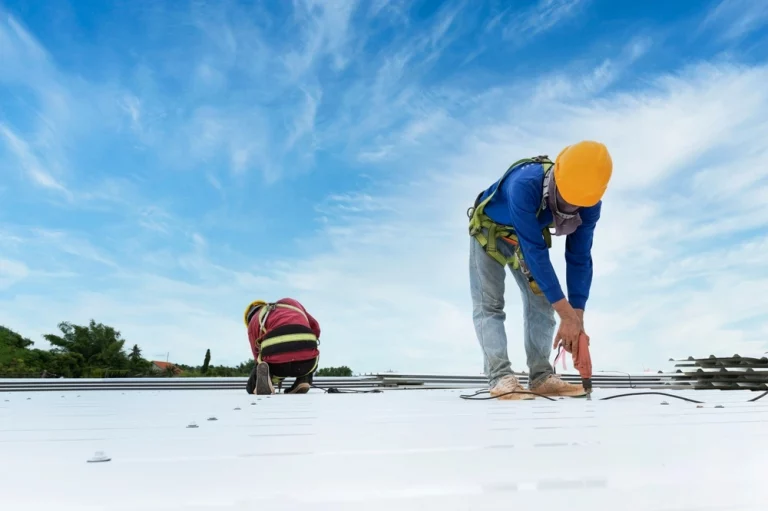
When it comes to house demolition, your safety is the foremost concern. You need to be fully aware of the necessary safety protocols and the vital protective gear required to prevent injuries.Site Safety Protocols
- Protection of the Public: It’s mandatory to maintain proper safety distances to ensure the safety of those around the demolition area. This involves clear signage, adequate lighting, and potentially closing sidewalks or roads adjacent to the site.
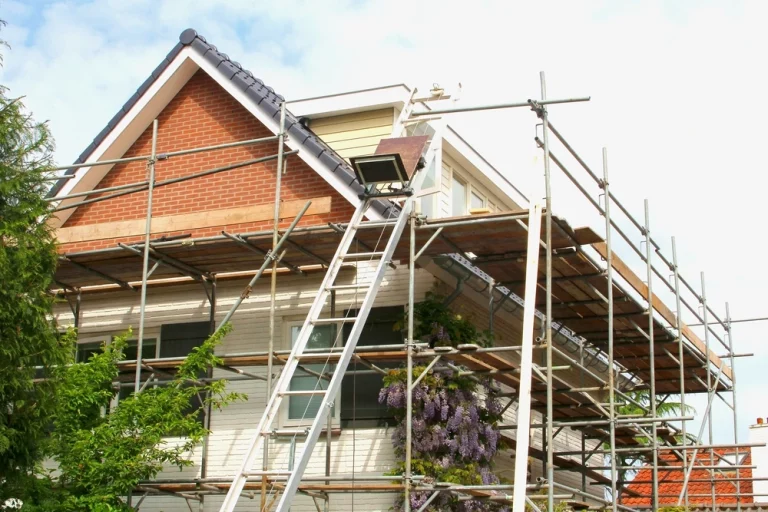
- Hazard Identification: Be aware of common hazards such as falls from heights and unstable surfaces. Preemptive measures, like securing scaffolding and inspecting the site for weak points, are crucial.
Personal Protective Equipment
- Head Protection: Always wear a hard hat to shield yourself from overhead impacts or falling debris.
- Eye and Face Safety: Safety glasses are non-negotiable to prevent eye injuries from dust, splinters, and flying particles.
- Hearing Conservation: Ear protection is essential as demolition often exceeds safe noise levels, which can lead to permanent hearing damage.
- Hand Safety: Use work gloves designed to offer both dexterity and protection from cuts, scrapes, and punctures.
- Footwear: Sturdy work boots with slip-resistant soles and puncture protection are a must to navigate the demolition site safely.
Demolition Process
When you set out to demolish a house, the two main approaches are mechanical or manual demolition, each with its specific tools and machinery.Mechanical Demolition
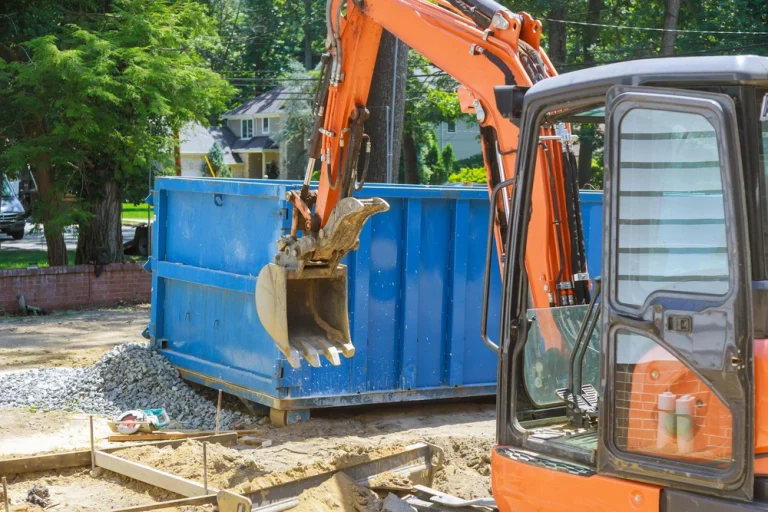
Mechanical demolition is a fast and cost-effective method. You would typically see the use of heavy machinery such as excavators and bulldozers to tear down structures. This method can cost between $4,000 and $14,000 on average, being the more affordable demolition option. Depending on the complexity of the project, the following equipment is frequently utilized:- Excavators: Utilized for pulling down structures and removing heavy debris.
- Bulldozers: Effective for pushing large quantities of debris and leveling ground.
- Jackhammers: Often employed to break up concrete.
Manual Demolition
Alternatively, manual demolition, also known as “deconstruction”, involves dismantling a house piece by piece, often with the goal of salvaging materials. This process is labor-intensive and is best suited if you want to recycle or reuse building materials. Essential hand tools used in manual demolition include:- Sledgehammers and crowbars: For prying and breaking apart materials.
- Reciprocating saws: To cut through wood, pipes, and other materials.
Dealing with Hazardous Materials
 When demolishing a house, it’s crucial to address hazardous materials with care to ensure your safety and compliance with regulations.
Asbestos and Lead Paint
- Asbestos: Frequently found in older homes, asbestos can be present in insulation, floor tiles, and other building materials. Before demolition, you must conduct an assessment to identify any asbestos-containing materials (ACM). If asbestos is found, specialized removal processes are required. Use certified professionals for asbestos removal to mitigate health risks and adhere to the strict guidelines set by authorities.
- Lead Paint: Common in buildings erected before 1978, lead paint poses significant health risks, especially to children. Renovation, repair, and painting projects need to follow the EPA’s Lead Renovation, Repair, and Painting Rule, requiring contractors to be certified for lead-safe work practices. Remember, even if the whole structure is to be demolished, it’s recommended to utilize lead-safe practices during the process.
Other Hazardous Substances
Apart from asbestos and lead paint, a variety of other hazardous materials may exist within a demolition site. These can include:- Chemicals such as solvents, pesticides, and herbicides
- Materials like mercury or fluorescent bulbs
- Building components that contain other hazardous materials
Costs and Budgeting
Before you proceed with a house demolition, it’s critical to understand the costs you will incur and how to budget for them effectively. This section will guide you through determining the cost, what factors affect pricing, and any additional expenses to anticipate.Determining the Cost to Demolish a House
To accurately gauge the cost to demolish a house, start by calculating the expense on a per square foot basis. Demolition costs generally range between $4 to $15 per square foot. For example, the average price for demolishing a midsized home could fall between $4,800 and $45,000, depending on its size and construction type.Cost Factors and Considerations
Several factors influence the total demolition costs, including:- Labor Costs: The expense for the workforce handling the demolition.
- Machinery Costs: Rental or operation costs for excavation and demolition equipment.
- Materials: Costs related to handling and disposing of construction debris.
Additional Costs
When budgeting, account for:- Local Dumpster Rental: Necessary for waste disposal, which can cost several hundred dollars.
- Partial Demolition Cost: If only a section of your house needs demolishing, the price may be less but can still vary widely based on scope.
Salvaging and Recycling
Before you begin the demolition of a house, consider the environmental and financial benefits of salvaging and recycling materials. Efficiently executed, these processes can significantly reduce landfill waste and provide reusable resources.Salvaging Valuable Materials
When you deconstruct a house, salvaging becomes a priority. Doors, windows, and cabinets can be removed with care for reuse or resale. Sinks and bathtubs often feature durable materials that withstand time, making them ideal candidates for salvage. Look for appliances that may still have operational life or parts that can be repurposed. Here’s a quick guide to some items you should prioritize for salvage:- Doors & Windows: Check their condition; vintage ones can be particularly valuable.
- Flooring: Especially hardwood, which can often be refinished and reused.
- Cabinets: Solid wood cabinets can be refurbished and installed elsewhere.
- Sinks & Bathtubs: Quality fixtures can be sanitized and reinstalled.
- Appliances: If in working condition, they can be sold or donated.
Recycling Debris
Recycling the debris from a demolished house is not just about being eco-friendly; it’s also lawfully required in many areas. Concrete, asphalt, brick, and block are highly recoverable materials and often required to be recycled. Different materials will have different local recycling options:- Metals: Sort and take them to a scrap metal facility.
- Concrete: Can be crushed and reused as an aggregate for new construction projects.
- Asphalt: Recyclable into new asphalt for roads or driveways.
- Brick: Cleaned bricks can find a second life in new construction.
Cleanup and Waste Disposal
 After a house demolition, you must manage the aftermath efficiently to leave the site safe and ready for its next use. This critical phase involves systematic debris removal and choosing the right disposal options.
Debris Removal
When your house is reduced to rubble, debris removal is a key step in the cleanup process. The quantities involved can be substantial, and you’ll need to coordinate the transportation of material from your property. Renting a construction dumpster is a practical solution, with sizes and services tailored to your specific needs. Costs vary, but the average price for cleanup and disposal can range from $300 to $1,800, with truckload rates between $400 and $600. It’s crucial to remove all demolition debris, which includes everything down to the basic soil level, leaving no hazardous or unsightly remains.Disposal Options
Selecting the right disposal options is not only about efficiency but also compliance with local regulations. Two primary choices are available:- Landfills: Often the most direct option, some charge by volume or weight. Be informed about any restrictions especially for materials classified as hazardous.
- Recycling: An environmentally responsible choice for materials like concrete, wood, and metals. It can also be cost-effective, potentially offsetting some disposal costs.
Rebuilding After Demolition
Once a house is demolished, you have a clean slate to build a new home that meets your specific needs and desires. The two crucial factors to consider are the size and design of your future home, and the necessary permits and inspections.Home Size and Design
When you’re rebuilding, the home size and design play pivotal roles in the project’s scope and budget. Your new home’s square footage will influence construction costs—generally ranging between $100 and $200 per square foot. Detailed architectural plans are essential to guide the construction and should reflect both your preference and local zoning regulations.Building Permits and Inspections
To rebuild, you’ll need to secure the required building permits. These vary by locality but generally involve submitting your building plans for approval. Expect to have several inspections throughout the construction process, ensuring that your new home complies with building codes and safety standards. The specific inspections needed can include, but are not limited to, electrical, plumbing, and structural inspections.Remember, while rebuilding a house is a significant undertaking, it is an opportunity to create a space uniquely tailored to your needs. Your careful planning, compliance with permits and inspections, and collaboration with construction professionals are key stepping stones in realizing your new home.Special Considerations for Demolition
When you’re looking to take down a building, certain scenarios require extra care and attention. Whether you’re dealing with a partial structure, demolishing a unique building, or navigating historical preservation rules, understanding these intricacies is crucial for a successful outcome.Partial Demolition
You may wish to only remove certain portions of your structure, such as a shed, barn, or a part of your house. This partial demolition must be carefully planned to ensure the integrity of the remaining structure isn’t compromised. If you’re targeting a specific area, like a basement, you must consider structural support and the possibility of needing underpinning to maintain stability.- Consider: Load-bearing walls, utility connections, and potential reinforcement needed.
- Safety: Surrounding areas must be secured to prevent unintended damage.
Demolishing Unique Structures
When it comes to unique structures like a mobile home, the demolition process differs significantly. Due to their construction and materials used, these buildings require a tailored approach to deconstruction or dismantling.- Materials: Assess the type and recyclability of materials; mobile homes often contain a mix of metal, wood, and non-recyclable components.
- Method: Consider if the structure can be relocated whole, or if it needs to be broken down into parts.