Key Takeaways
- Personalize your kitchen with a custom DIY island.
- Plan carefully for layout and material needs.
- Enhance functionality and style affordably.

Planning Your DIY Kitchen Island
When planning your DIY kitchen island, it’s crucial to focus on assessing your kitchen layout, choosing a design that complements your space, and selecting the right plans. Consider different styles, from modern to rustic, and evaluate how they fit within your existing kitchen design.Assessing Kitchen Layout
Before beginning your project, take a close look at your current kitchen layout. Measure the space to ensure there is enough room for the island especially in a galley kitchen, where spacing is tight. Aim for at least 42 inches of clearance around the island for comfortable movement.Consider how the island will affect the workflow in your kitchen. The triangle between the stove, refrigerator, and sink should remain unobstructed to maintain efficiency. Additionally, think about how the island will interact with existing elements like cabinets and counters. This helps prevent any design clashes or functionality issues.Choosing the Right Design
Selecting the ideal design for your kitchen island involves balancing aesthetics with functionality. Decide on a style that aligns with your kitchen’s theme. For a sleek look, you might prefer a modern kitchen island featuring minimalistic lines and high-gloss finishes.If your preference leans towards something cozier and more traditional, a farmhouse or rustic kitchen island might suit your taste. Elements like reclaimed wood and vintage hardware can add charm to these designs. Remember to factor in functional aspects like seating and storage when making your choice.DIY Kitchen Island Plans
Exploring various DIY kitchen island plans can help tailor your project to meet your needs. Many plans are available for free, allowing you to customize size, materials, and features based on your vision.Some plans emphasize sustainability, like using pallet wood for a unique touch. Others focus on maximizing storage, including features like built-in cabinets or wine racks.Choose plans that fit your skill level and budget. This approach ensures confidence in execution and a satisfactory end result.Materials and Tools
Choosing the right materials and tools is crucial for building an effective and attractive DIY kitchen island. This section provides detailed insights on material selection and the essential tools you need to get started.Selecting Materials
When building a kitchen island, opting for the right materials can enhance both function and aesthetics. Consider materials like reclaimed wood for a rustic touch, giving your island an eco-friendly appeal. A butcher block countertop may be ideal if you’re looking for durability and easy maintenance.For a budget-friendly option, you might explore an IKEA kitchen island, which offers a blend of affordability and style. Additionally, using inexpensive kitchen island designs can lower costs without compromising quality, making it possible to customize finishes and textures according to your preference. Analyze each material’s advantages before making your selection to ensure they align with your culinary needs and kitchen décor.Required Tools
Assembling a kitchen island requires a selection of essential tools to ensure a smooth construction process. An electric drill is fundamental for precise drilling and screwing tasks. You will also need a saw to cut materials to size accurately. Measuring tape ensures that all components fit perfectly.Include a level to verify even surfaces, preventing any imbalances once the island is assembled. For safety, always wear protective gear like goggles and gloves. If building with materials like reclaimed wood, consider using sandpaper or an electric sander for a polished finish. Preparing these tools beforehand helps streamline the assembly, saving you time and effort.Building the Foundation
 Building the foundation of a kitchen island involves creating a sturdy base and incorporating essential features like storage tailored to your needs. This process allows for customization, ensuring your DIY island fits perfectly in your kitchen.
Constructing the Base
To build a kitchen island, you can start with stock cabinets as a base. This is a great way to achieve a custom feel without high costs. Select cabinets that match your kitchen style and dimensions. For a custom kitchen island, consider using materials like pallet wood for a rustic look.Ensure stability by reinforcing the cabinets. Fasten them securely using screws and brackets, particularly at the corners. Level the base with shims if needed to guarantee stability on uneven floors. Choosing a mobile kitchen island can also provide versatility. Adding casters to the base allows easy movement when space needs reconfiguring.Adding Storage and Features
Enhancing storage is key to maximizing your kitchen island’s functionality. To create a kitchen island with storage, you can integrate open shelves or cabinets. These features provide accessible space for utensils, dishes, and small appliances. Consider installing drawers for organized storage of cutlery and smaller items.A kitchen island with trash storage is practical for keeping waste out of sight. Incorporating pull-out trash bins can help maintain cleanliness and organization in your kitchen. Think about adding elements like towel racks or hooks for extra utility. Tailor the storage solutions and features to suit your daily needs, ensuring that your kitchen island is a practical addition to your space.Countertop Installation
Adding a countertop to your kitchen island can significantly enhance both its functionality and style. Selecting the right material and performing the installation correctly are crucial steps to achieve the desired look and durability.Selecting a Countertop
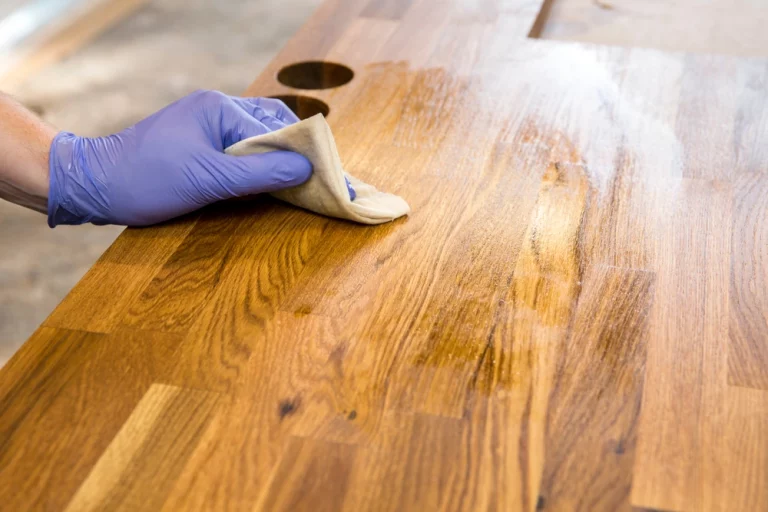
Choosing the right countertop depends on several factors, including design, durability, and cost. Popular options include granite, quartz, and marble for durability and aesthetic appeal. If you’re looking for something more rustic, a butcher block kitchen island may be a suitable choice. Measure your counter space carefully, allowing enough overhang for seating if needed. Consider how much maintenance each material requires, as some might need regular sealing or cleaning to maintain their appearance.Installing the Countertop
Before you begin, gather all required tools, such as a circular saw, measuring tape, and electric nailer. Accurate measurement is necessary, so always measure and mark twice before cutting. Apply painter’s tape along the cutting line to minimize chipping. Once cut, position the countertop on the island structure, ensuring it is level and aligned. Use brackets or adhesives to secure it in place, depending on your countertop material. Follow any manufacturer’s guidelines specific to your chosen material for any additional steps or considerations during installation.Finishing Touches
 Adding the perfect finishing touches to your DIY kitchen island can elevate its functionality and style. Focus on customization to enhance usability and protection to ensure its longevity.