Key Takeaways
- Fiberglass insulation requires careful disposal due to potential health and environmental impacts.
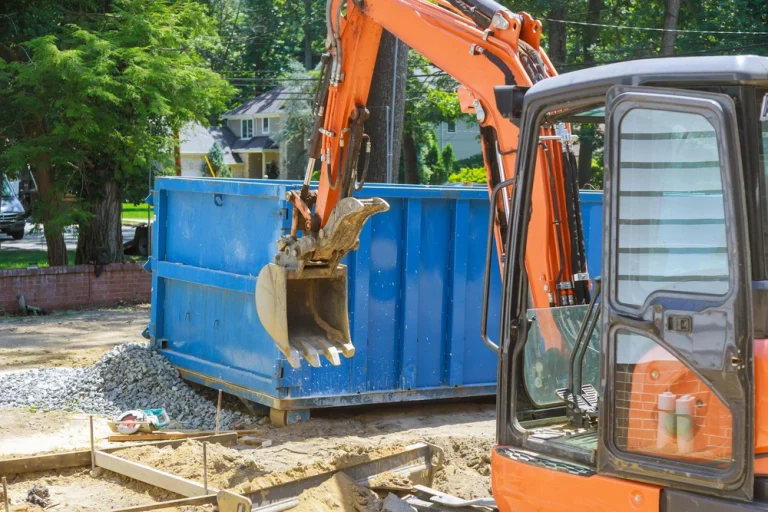
- A small dumpster rental may aid in safe and effective removal of large quantities of insulation.
- Compliance with local disposal regulations is obligatory for proper fiberglass insulation management.

Understanding Fiberglass Insulation
Fiberglass insulation is a common choice for its thermal and acoustical insulating properties. It is essential that you understand the different types available and the health and safety measures required when handling this material.Types of Fiberglass Insulation
Batts and Rolls: Typically meant to fit in between wall studs and floor joists, these come as pre-cut panels. Batts and rolls are suitable for standard spaced areas, providing a consistent layer that is effective at preventing heat transfer.Loose-fill and Blown-in: Loose-fill insulation is a form of fiberglass that can be rented and blown into a space using a special machine. This type is particularly useful for irregular or hard-to-reach spaces, as it molds to the area, providing a thorough coverage.Health and Safety Considerations
When working with fiberglass insulation, your safety is paramount. The tiny fibers of glass can cause irritation to your skin, eyes, and respiratory system.- Respirator: Always wear a respirator or a dust mask to avoid inhaling fibers.
- Protective Clothing: Ensure that you wear long sleeves, gloves, and eye protection to minimize skin and eye contact.
- Handling: Handle insulation with care, avoiding unnecessary disturbance that could dislodge fibers into the air.
Legal and Environmental Considerations
When you dispose of fiberglass insulation, it’s crucial to adhere to local regulations and understand the environmental impact. Noncompliance risks legal penalties, while improper disposal can significantly affect ecological systems.Local Regulations and Compliance
Your approach to disposing of fiberglass insulation must align with local regulations to avoid legal repercussions. Most municipalities classify fiberglass insulation as construction debris, which can be subject to specific disposal guidelines. For example, some areas require you to deposit insulation material at a designated facility rather than in regular waste streams. It’s imperative to contact your local waste authority for guidelines on proper disposal procedures to ensure compliance.Additionally, in some regions, fiberglass insulation is considered hazardous waste due to its composition. As such, specific methods of containment and documentation when transporting this material might be required. This underscores the importance of understanding and adhering to pertinent waste management laws within your jurisdiction.Environmental Impact of Disposal
The disposal of fiberglass insulation carries several environmental implications. If not managed correctly, it can contribute to an increased carbon footprint and hinder sustainable practices. Insulation that ends up in landfills occupies a significant amount of space and does not decompose easily, affecting landfill capacities and potentially releasing harmful substances.To mitigate these impacts, explore recycling options, as some facilities specialize in converting old fiberglass insulation into new materials. However, availability and processes vary, so research local recycling centers to identify if they accept insulation for recycling. Properly disposing of insulation helps in minimizing adverse environmental effects and aligns with eco-friendly waste management goals.Preparation for Disposal
 Proper disposal of fiberglass insulation requires meticulous removal and containment to minimize health risks and environmental impact. Follow these steps to ensure you handle the process effectively.
Removal Procedures
Before beginning the removal of old insulation, suit up in protective gear, including long sleeves, gloves, and protective eyewear to avoid irritation from glass fibers. It is essential to ventilate the area well, reducing the inhalation risk of small particles. If you suspect the presence of asbestos, stop immediately and consult a professional, as asbestos requires specialized removal techniques.- Prepare: Equip yourself with a dust mask or respirator for additional protection.
- Remove: Carefully remove the insulation boards or loose-fill cellulose, placing the material directly into heavy-duty plastic bags.
- Seal: Ensure all bags are securely sealed to prevent any fibers from escaping.
Packing and Containment
Once removed, your next step is to pack and contain the unused insulation safely.- Secure disposal: Place fiberglass insulation into heavy-duty plastic bags, double-bagging for extra safety.
- Label: Clearly mark bags as containing insulation to alert disposal personnel of the contents.
Disposal and Recycling Options
When disposing of fiberglass insulation, it’s essential to approach the task with health and environmental safety in mind. You have a responsibility to dispose of or recycle the material in a way that minimizes the risk of irritation or contamination.Waste Management Facilities
Your primary option is to consult with local waste management facilities to inquire about their fiberglass insulation disposal policies. Since fiberglass insulation isn’t bio-degradable, it’s crucial to follow these steps:- Contact your local facility: Determine whether they accept insulation for disposal.
- Prepare insulation for disposal:
- Suit up for safety: Wear protective clothing and gear to avoid irritation from glass fibers.
- Bag the insulation: Place the insulation in heavy-duty plastic bags and seal them well.
Recycling and Reuse Opportunities
Recycling insulation is an environmentally responsible choice where facilities exist. Some centers may not accept fiberglass, but others have specialized programs.To recycle fiberglass insulation:- Find a recycling center: Investigate local recycling options that accept fiberglass insulation.
- Follow preparation guidelines: Centers might require specific preparation steps; adhere strictly to these.
Alternatives to Disposal
 When fiberglass insulation reaches the end of its usability in your home, rather than disposal, consider repurposing, donating, or upgrading to eco-friendly insulation. This not only conserves resources but also benefits the environment and the community.
Repurposing and Donation
If your existing fiberglass insulation is still in good condition, repurposing it for other projects can significantly reduce waste. You or others can reuse pieces of insulation in areas such as garages, sheds, or workshops where a high level of finish isn’t required. Furthermore, donation is also a viable option. Local community organizations, theaters, and schools often seek materials for soundproofing or small-scale improvement projects. Contact local building material reuse centers or nonprofits to check their acceptance policies and ensure the material can be handled with the necessary safe precautions.Eco-friendly Insulation Upgrades
Should you decide to remove old insulation, considering an upgrade to more energy-efficient and eco-friendly insulation options is a responsible choice. Here are some alternatives:- Spray Foam Insulation: Offers high energy efficiency and fills gaps effectively.
- Cotton, Mineral Wool, or Cellulose Insulation: These materials are often manufactured from recycled content and are more environmentally benign.
- Foam Board Insulation: Provides a high R-value for thermal resistance and can be used in various applications.