Key Takeaways
- Assess the impact on home value before removing a fireplace.
- Proper preparation and safety measures are crucial for a DIY project.
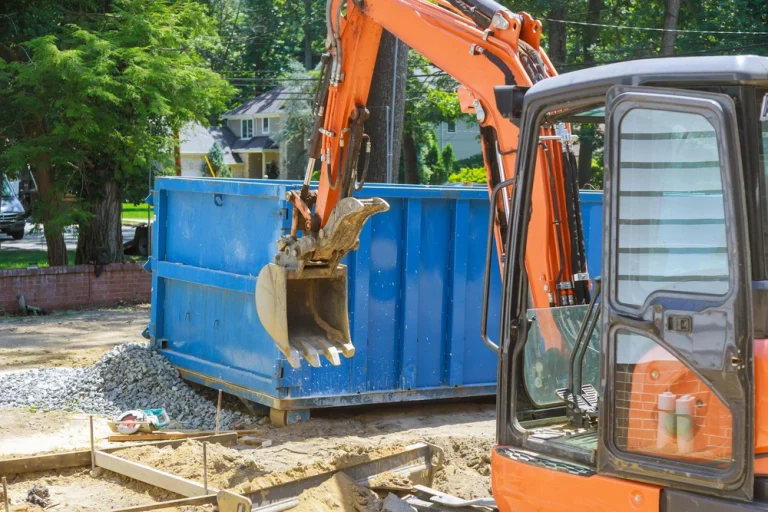
- Consider using a home dumpster rental for debris disposal.

Assessing the Fireplace Removal Project
Removing a fireplace from your home requires careful analysis of its structural implications and understanding the type of fireplace you have. These steps ensure safety and proper planning for the entire removal process.Evaluating Structural Implications
One crucial aspect of removing your fireplace is assessing the structural impact on your home. Start by determining if the wall containing the fireplace is a load-bearing wall. Removing a load-bearing wall without proper support can compromise your home’s structural integrity.Consulting a structural engineer is advisable. They will evaluate whether additional support beams or columns are needed during the removal process. This step is necessary to maintain the balance and safety of your home.Check the connection points where the fireplace meets other structures like the chimney breast and surrounding walls. These connections might require specific disassembly techniques. Use tools like a level to ensure that everything remains even and stable during the removal.Determining the Type of Fireplace
Identifying the type of fireplace in your home impacts the methods and tools you’ll need for removal. Different types like wood-burning, gas, or electric fireplaces have distinct removal procedures.- Wood-burning fireplaces often consist of heavy materials like bricks or stone, requiring more labor-intensive work. You will also have a chimney to deal with, which might need capping off.
- Gas fireplaces involve additional steps such as disconnecting gas lines. Ensuring that a professional handles the gas line disconnection is critical for safety.
- Electric fireplaces are the simplest to remove, often requiring just a disconnection from electrical outlets.
Preparation and Safety Measures
Proper preparation is crucial when removing a fireplace. This includes securing any necessary permits, and ensuring you have the right safety equipment and tools to perform the task efficiently and safely.Securing Necessary Permits
Before you begin, you must secure the appropriate permits. Fireplaces are often integrated into the structural elements of your home. Local building regulations may require a permit for significant alterations.Consult your local building authority to understand the specific requirements. Permits ensure compliance with safety standards and verify that your project won’t compromise the structural integrity of your home.Hiring a qualified mason or contractor can also assist in navigating the regulations and permit acquisition process.Safety Equipment and Tools
Safety is paramount during fireplace removal. Equip yourself with the necessary safety gear and tools. Start with work gloves and protective eyewear to safeguard against debris. A dust mask or respirator ensures you won’t inhale harmful particles.Tools essential for the task include a sledgehammer for breaking down the masonry, a tape measure for precise measurements, a sturdy ladder for reaching high places, and a driveway dumpster rental for the trash and debris.Ensure your workspace is well-ventilated to avoid inhaling dust and fumes. Utilizing the correct tools and safety equipment can significantly reduce the risk of accidents and injuries during the disassembly process.By following these preparation and safety measures, you’re setting a solid foundation for a successful fireplace removal.The Removal Process
 Removing a fireplace involves careful demolition techniques and safe handling of gas and electrical components. Each step must be executed with precision to ensure both efficiency and safety.
Fireplace Demolition Techniques
Begin by protecting the surrounding area. Cover nearby walls and floors with plywood or plastic sheeting to prevent damage. If you have a brick fireplace, you will need tools like a chisel, hammer, and possibly a sledgehammer.Carefully remove the mantel and any trim by prying them away from the wall. Demolish the exterior structure of the fireplace, starting from the top and working your way down. For a brick fireplace, use a chisel and hammer to carefully remove each brick. If your fireplace is built into the wall, you may need to cut through drywall or other materials.For the firebox, remove it by detaching it from its frame, making sure to not damage the surrounding area. Always dispose of debris promptly and safely to keep your workspace clear.Handling Gas and Electrical Components
Ensure you turn off the gas supply first. Locate the gas line connected to your fireplace and shut off the gas valve. Next, detach the gas lines. Working with gas pipes requires caution; consider hiring a contractor if you’re not experienced. Always use adjustable wrenches to disconnect gas fittings.Electrical components also need careful handling. Turn off power at the circuit breaker before disconnecting any wires. Remove any electrical fixtures, such as switches or blowers, that are part of the fireplace system. Use insulated tools to safely disconnect and cap any exposed wires.Double-check that both the gas and power supplies are securely turned off before proceeding with the rest of the removal process. Following these safety protocols will help prevent accidents and ensure a smooth fireplace removal.For additional guidance and detailed steps, consult resources like this step-by-step guide for safe disassembly.Finishing the Space
Transforming the area where a fireplace once stood requires careful attention to both structural integrity and visual appeal. This includes repairing any gaps left behind, ensuring proper ventilation, and adding aesthetic elements to blend seamlessly with your home’s design.Repairing and Reconstructing Walls
First, address the gaps left by the fireplace removal by installing new drywall. Ensure the framework is properly stabilized to support the new wall structure. Use drywall screws to secure the panels and apply joint compound to the seams for a smooth finish.Consider the climate of your home when choosing materials; in humid areas, moisture-resistant drywall may be necessary. Check for any hidden damage like mold or weakened studs and replace them to maintain stability.Ensure proper ventilation, especially if the fireplace served as a vent passage. If the original fireplace had air vents or ducts, seal them appropriately or reroute them to maintain airflow in the room.Aesthetic Considerations
Once structural repairs are complete, focus on making the space visually appealing. If a decorative fireplace is part of your design plan, select materials that complement your existing decor. Choose a stylish mantle or surround to add character without the need for actual fire.Adding trim around the edges where the new wall meets the existing structure can create a seamless transition. Paint or wallpaper the newly constructed area to match the surrounding walls.Consider additional decorative elements like shelving, artwork, or an entertainment center. These items can fill the visual void and add functional space, making the area both attractive and useful.Cost and Value Considerations
 When getting rid of a fireplace, you need to factor in both the financial costs and the potential impact on your property value. Each subsection explores these aspects in more detail, providing crucial insights.