Key Takeaways
- Effective waste management plans are key for large renovations.
- Accurate waste volume estimation and proper sorting methods are crucial.
- Recycling and reuse can save costs and benefit the environment.

Establishing a Waste Management Plan
To handle mixed waste in large renovation projects, it’s crucial to develop a comprehensive waste management plan that addresses local regulations and ensures the correct identification and separation of waste types.Understanding Local Regulations and Compliance
First, ensure you are well-versed with local regulations related to waste management. This includes acquiring any necessary permits and licenses for waste disposal. Regulations vary significantly by location, so understanding them is critical for compliance and avoiding costly fines.Check if there are specific rules regarding hazardous waste, which often requires special handling. Verify with your local government or environmental agency to obtain accurate information. Compliance safeguards not only your project but also the surrounding environment and community.Make sure to factor in insurance requirements. Some jurisdictions require proof of insurance to cover any damages related to improper waste disposal. Effective compliance ensures both safety and minimal environmental impact.Identifying Waste Types and Separating Correctly
Accurate identification and separation of waste types are essential for effective waste management. Common categories include construction debris, hazardous waste, recyclable materials, and general waste.Develop a system for separating waste on-site. For example, you can use labeled bins or designated areas to prevent mixing. Clearly communicate this system to your employees to ensure proper usage.For a well-organized site, create a checklist that includes:- Type of Waste
- Proper Disposal Method
- Employee Responsibilities
Strategies for Reduction and Reuse
Effective management of mixed waste in large renovation projects hinges on implementing strategies that prioritize both waste reduction and the reuse of materials. Key techniques include opting for deconstruction over demolition and actively pursuing opportunities to repurpose and donate materials.Deconstruction Over Demolition
Deconstruction involves systematically dismantling buildings to salvage reusable items and materials. This method diverts a significant amount of construction debris from landfills by ensuring materials like lumber, bricks, and metal are preserved for future use. By focusing on deconstruction, you can significantly reduce the volume of demolition waste while obtaining valuable materials that can be reused in other projects.Deconstruction also allows you to recycle and reuse materials more effectively than traditional demolition. For instance, old furniture and fixtures can often be repurposed, offering both economic and environmental benefits. Employing a deconstruction strategy not only lessens the burden on waste disposal systems but also provides an opportunity to sell or donate recovered items, promoting a sustainable approach to building renovations.Repurposing and Donating Materials
Another critical strategy for managing mixed waste is the repurposing and donating of materials. During a renovation, identify materials and items that can be reused either in your current project or in future projects. This could include anything from scrap metal to reusable fixtures and furnishings. Repurposing items reduces the need to purchase new materials, thereby saving costs and minimizing waste.Charitable organizations often accept donated materials, allowing you to contribute to community projects while efficiently handling your waste. Donating usable items like old furniture or surplus construction materials can have a positive impact, both environmentally and socially. It supports waste reduction by keeping useful materials out of landfills and provides much-needed resources to those who can benefit from them.By integrating repurposing and donating into your renovation projects, you’re adopting a more sustainable approach, ultimately reducing waste and promoting environmental stewardship.Efficient On-Site Sorting and Handling of Renovation Debris
 Efficient waste management during a renovation project requires strategic planning and the right tools. Prioritizing safety and proper disposal techniques ensures not only regulatory compliance but also cost-effectiveness.
Utilization of Dumpster Rentals and Collection Services
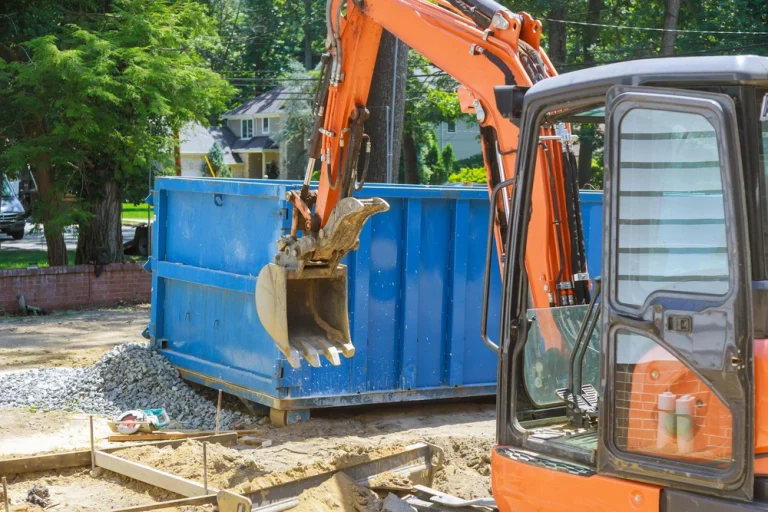
Employing dumpster rentals is crucial for managing construction debris. By choosing the right size dumpster, you ensure that all waste, including concrete, wood, and metal, can be efficiently collected. Renting a local dumpster simplifies the transportation and disposal process, reducing the time and effort needed to manage waste.Engage specialized collection services to handle particular types of debris, such as hazardous materials. This careful sorting helps in recycling and reduces landfill use. Collection services equipped with advanced sorting equipment can make the process more sustainable and economical.Safety Procedures and On-Site Management
Maintaining site safety involves clear guidelines and regular training. Workers need to understand proper handling and sorting techniques to prevent accidents and ensure efficient waste removal. Implementing safety protocols such as wearing protective gear and using proper signage reduces risks associated with managing construction debris.Effective on-site management includes setting dedicated zones for different types of waste, which streamlines the sorting process. Keeping the site organized with marked pathways and areas for waste collection boosts productivity and minimizes hazards. Regular monitoring and assessments help in maintaining high safety standards and improving waste management practices.Recycling Opportunities and Challenges
Effective waste management in large renovation projects presents opportunities and challenges. Key considerations include collaborating with recycling facilities and handling non-recyclable materials properly.Working with Recycling Facilities and Services
Collaborating with recycling facilities and services is crucial for minimizing environmental impact. You should establish connections with local facilities that accept construction waste like concrete, metal, and wood. Ensure they comply with EPA guidelines to maximize the benefits of recycling programs.Developing detailed waste management plans helps in sorting materials onsite, which can be sent to appropriate facilities. Identifying items that can be recycled reduces the total waste sent to landfills, addressing environmental regulations and saving on disposal costs.Addressing Non-Recyclable Material Handling
Handling non-recyclable materials requires careful planning. Items that cannot be recycled—such as certain hazardous materials—must be separated and disposed of according to legal guidelines. Utilizing specialized services for these materials ensures compliance with safety regulations.Proper waste management involves understanding the specific challenges posed by non-recyclable waste. For example, encapsulating or stabilizing hazardous materials before disposal can prevent environmental contamination. Make sure to engage with certified waste handlers to deal with these complexities responsibly.Environmental and Economic Considerations
 Balancing environmental sustainability with economic feasibility is crucial in managing mixed waste during large renovation projects. This section discusses strategies to minimize landfill impact while maximizing waste diversion and offers cost-effective waste management solutions.