Key Takeaways
- Costs vary widely based on wall type and structural considerations.
- Planning includes assessment, rerouting utilities, and post-demolition work.
- Understanding the full scope helps prevent unforeseen expenses.

Assessing Wall Types and Structural Considerations
Before deciding to modify your home by knocking down a wall, it’s important to assess the structural implications. Understanding whether a wall is load-bearing or non-load-bearing plays a crucial role in the complexity and cost of the project.Determining Load-Bearing vs Non-Load-Bearing Walls
Identifying load-bearing walls is a critical first step; these walls support the weight of the structure above them, such as the roof, floors, or other walls. Generally, load-bearing walls run perpendicular to the floor joists and may have thicker wall structures or additional support beams. In contrast, non-load-bearing walls mainly serve as room dividers and do not hold any structural weight. Determining the nature of the wall will dictate the precautions you need to take before removal.Consulting a Structural Engineer
To ensure the structural integrity of your home is maintained, consult a structural engineer. These professionals evaluate the structure of your house and provide guidance on the feasibility of removing a wall and inserting the necessary support, like beams or columns, post-removal. A licensed engineer’s assessment can prevent potential structural issues that would compromise your home’s safety.Considering Internal and External Walls
Removal costs and complexity vary between interior and exterior walls. Generally, interior walls are easier and less costly to remove if they’re non-load-bearing. Exterior walls are often load-bearing, and removing them requires intricate planning and, usually, temporary supports during the project. Always assess the location and function of the wall within your home’s layout before making a decision.Pre-Demolition Planning
Before initiating the demolition of a wall, it’s crucial to carefully plan and consider several factors that will affect the project. This planning phase includes assessing any plumbing and electrical wiring within the walls, understanding the permit requirements, and clearly defining your design goals for the renovated space.Assessing Plumbing and Electrical Concerns
To avoid costly mistakes, inspect the wall for any plumbing or electrical wiring that may be embedded. If present, these elements require careful rerouting by qualified professionals to ensure both safety and compliance with building codes. It’s also essential to map out how plumbing and electrical modifications will integrate with your design for an open floor plan or other architectural aspirations.Obtaining Permits and Dealing with Regulations
Navigating permits is a non-negotiable part of planning for wall removal. Generally, non-load-bearing walls might require minimal permits, but load-bearing walls are a different story. You’ll need to apply for the necessary permits and adhere to local building regulations. Not complying could lead to fines, or worse, compromise the structural integrity of your home.Determining Project Scale and Design Goals
Assess the project scale—whether you’re knocking down a small partition or making way for a large open floor plan—to establish a clear scope of work. Establishing your design goals will help you communicate your vision to any contractors involved and ensure end results align with your expectations. Consider factors like natural light, traffic flow, and the purposes of the newly created space in your design planning.Cost Estimation
When planning to knock down a wall, it’s essential to understand how your total expenses break down. Accurate cost estimation hinges on labor and material expenses, the specific factors influencing costs, and the tools available for calculating your potential expenditure.Calculating Labor and Material Expenses
To determine your total cost, you’ll first need to estimate labor and material expenses. Labor costs tend to range from approximately $300 to $500 for non-load-bearing walls and can soar up to $10,000 for load-bearing walls, depending on their structural significance and complexity. Materials for the project will vary widely based on the wall’s composition and the method of demolition.Understanding Cost Factors
Your wall removal cost is influenced by several cost factors. Consider whether the wall is load-bearing or non-load-bearing. If it’s load-bearing, costs will increase as it requires additional support during removal. The square footage of the wall also impacts the cost, with larger walls requiring more labor and materials. Additional expenses may arise from rerouting electrical wiring, plumbing, or HVAC systems within the wall.Using Wall Removal Cost Calculators
To obtain a more tailored estimate, you can leverage online cost calculators. These tools input variables such as wall type, square foot, and whether the wall is load-bearing. Some resources provide nuanced calculations based on your location since labor costs can vary by region. Consider visiting Cost to Knock Down a Wall | Fixr or 2024 Cost to Remove a Wall | HomeGuide to get a clearer picture of your expected wall demolition cost.The Demolition Process
 Before you begin the process of bringing down a wall, it’s important to understand the steps involved. From ensuring a safe demolition to dealing with the resultant debris, each stage is critical.
Executing Safe and Effective Demolition
When you’re ready to start, safety comes first. You’ll need to verify whether the wall is load-bearing, which could require a professional assessment. For a non-load-bearing wall, you’ll typically use tools like a sledgehammer to create a starter hole and proceed to knock down the rest of the wall. Use goggles and gloves to protect yourself from dust and flying debris.Dealing with Debris and Hazardous Materials
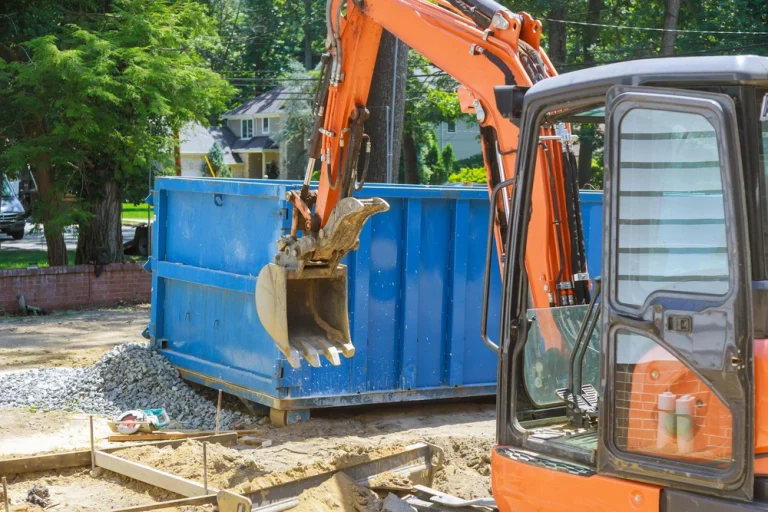
Post-demolition, debris removal takes precedence. Materials such as drywall, insulation, or old wiring, need to be systematically removed and disposed of according to local regulations. If your wall contains hazardous materials, such as asbestos or lead paint, do not handle it yourself. Specialist contractors must be engaged for safe removal and disposal.Post-Demolition Actions
 After a wall has been successfully knocked down, you’ll need to focus on structuring supports and applying final touches to ensure your space is safe and aesthetically pleasing.