Key Takeaways
- Landfill disposal fees are influenced by the weight and type of material.
- Local regulations can impact dump costs and procedures.
- Renting a dumpster can be a practical solution for extensive waste disposal needs.

Understanding Dump Fees
When you’re planning to take your trash to the local dump, you need to be aware of the costs involved. Dump fees are not standardized nationally and can significantly impact the total expense of your waste disposal.Fee Structure and Factors
The cost to dump at the landfill typically ranges from $40 to $60 per ton. Factors affecting these fees include the type of material, the weight, and sometimes the volume of waste you’re disposing of. For smaller loads, expect fees to be about $15 to $30 per cubic yard. It’s essential to consider that certain materials may incur disposal fees if they require special handling or are not typically accepted by the landfill. So, the rule of thumb here is to know your landfill’s policies beforehand to avoid surprises.Payment Methods
Most landfills will accept various payment methods, including cash, credit cards, and sometimes mobile payments. It’s always best to check with the specific site to understand which forms of payment they prefer or require. Keep in mind that using cashless payment options can be a quick and secure way to handle the transaction without the need for physical currency.Choosing the Right Disposal Option
When you need to dispose of large amounts of waste, it’s important to consider whether renting a dumpster or hiring a junk removal service is the most efficient solution for your needs. Both options come with different costs and logistical considerations.Renting Dumpsters
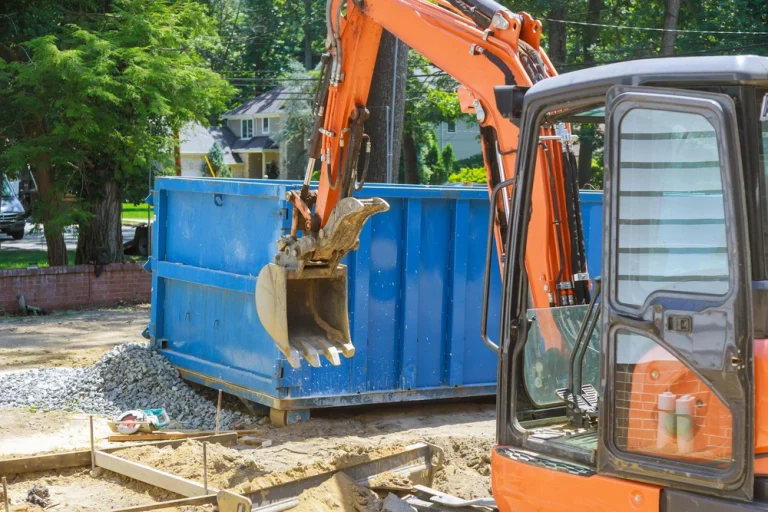
Renting a dumpster is a cost-effective choice for handling a significant volume of non-hazardous waste on your own timeline. A variety of dumpster sizes are available, typically measured in cubic yards, and suitable for different types of debris. Residential projects might use smaller dumpsters, while larger constructions might need a 20-yard dumpster rental or 30-yard dumpster rental. Before renting, ensure the dumpster rental company is licensed, and don’t hesitate to ask for free quotes to get an idea of the dumpster rental costs.- 15-yard dumpster: Ideal for medium-sized cleanouts or small renovation projects.
- 20 or 30-yard dumpster: Better suited for large renovations or construction debris.
Hiring Junk Removal Services
For situations where you’re unable to transport waste to the dump yourself or you prefer a hands-off approach, consider enlisting professional junk removal services. These companies offer the added convenience of not only providing the vehicle and team to remove your junk but also ensuring that waste is disposed of responsibly. Junk removal costs can vary depending on the amount and type of waste. Many junk removal companies will give you an estimate based on the initial information you provide, but the final price is often determined after an in-person assessment.- Junk removal service: A quick and easy solution for waste removal, often with same-day service available.
- Hiring a junk removal company: Ensures that your waste is handled efficiently and legally by a professional team.
Preparing for the Dump
 Before heading to the dump, it’s essential to assess the volume of waste you have and ensure it’s sorted correctly. Proper preparation can help you save time, costs, and make your trip more environmentally friendly.
Estimating Required Capacity
To determine the hauling capacity needed, measure the volume of your waste in cubic yards. One cubic yard is equal to a space that’s 3 feet wide by 3 feet long by 3 feet high. Appliances, furniture, and other bulky items often take up more space than initially anticipated. For example, a standard pickup truck can handle about 2 to 3 cubic yards of waste. If you’re using a passenger minivan or utility van, you could fit approximately 3.5 to 4 cubic yards, whereas a cargo van could contain more due to its larger size. Always overestimate to avoid multiple trips.Sorting Waste and Recyclables
Sorting your waste into recyclables and non-recyclables is crucial. Group appliances like water heaters, refrigerators, washers, and dryers separately since many facilities have specific recycling programs for them. Likewise, divide shredded green waste for composting programs if available. Remember that hard-to-handle items, which could be anything from construction debris to hazardous materials, may require special disposal methods. Ensure to check with your local dump for guidelines on separating these items before your trip.Navigating Local Disposal Regulations
 Understanding the rules and costs of your local disposal facilities is crucial before embarking on waste removal, especially for large projects like renovations and cleanouts. It’s about finding the right service, understanding the type of waste allowed, and managing costs effectively.
Navigating Landfill Regulations
- Utility Bill: Often, proof of residence, such as a utility bill, is required for access to local landfills. In Orange County, for instance, facilities such as Olinda Landfill and Prima Deshecha Landfill are available for public disposal but may require such documentation.
- Accepted Waste: Regular household waste and non-hazardous materials from cleanups and renovations are typically allowed. Scrap metal, for example, is accepted and may even be dropped off for free at designated recycling areas within the landfill.
- Contract Necessities: For larger quantities of waste, especially from renovations or cleanouts, you might need to rent a trailer or dumpster from your local waste management company.
- Convenience: Investigate if your zip code is eligible for curbside pickup, which might be convenient for smaller cleanouts.
Hazardous Waste and Exemptions
- Household Hazardous Waste: Materials like batteries, paint, and chemical cleaners are classified as household hazardous waste. Regulations typically restrict disposal at regular landfills. Instead, you’re often directed to a Household Hazardous Waste Collection Center.
- Exemptions and Programs: Some landfills offer exemption days or take-back programs for particular items. Orange County, for example, has facilities where you can drop off chemically treated wood waste without a disposal fee.
- Special Disposal Contracts: Certain items might require special disposal methods or contracts, especially in the case of large scale cleanouts or specialized waste management situations.
- Salvation Army or Similar Entities: For items in good condition, consider donation to organizations like the Salvation Army as an alternative to the landfill, which can save you dumping fees and support a good cause.