Key Takeaways
- Identifying water stains and mold can indicate the presence of a leak.
- Sunlight in the attic may pinpoint the source of roof leak.
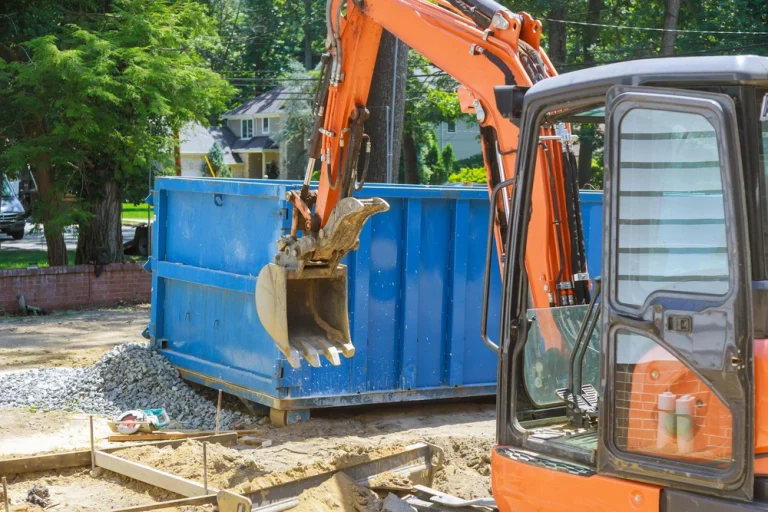
- A rental dumpster may be needed for disposing of debris from significant roofing repairs.

Identifying Common Signs of a Roof Leak
Detecting a roof leak early can save you significant time and money. Paying attention to both interior and exterior indicators can help you spot the problem before it escalates.Interior Indicators
When inspecting the inside of your home, your ceiling is a primary culprit for hiding water stains. A stain that is brownish or has a ring might indicate a lingering leak above. Consistently check your attic for signs of mold growth or dark spots on the wood, as these also suggest moisture intrusion. The presence of mold can signal an accumulation of moisture, likely from a leak. Additionally, discoloration on ceilings or walls often means that water is finding its way in and damaging your home.- Look for:
- Brownish stains on the ceiling
- Rings of water stain, indicating age and persistence
- Mold or mildew smell in attic spaces
- Discolored streaks on the interior walls
Exterior Signals
Examining the exterior of your house can also reveal important tell-tale signs. Visible dark spots on the roof, especially after rain, may be a consequence of water pooling and penetrating the surface. Flashing around vents and chimneys should be intact; if not, it’s a potential entry point for water. Even without rain, if your gutters are full or damaged, it could lead to water damage on your roof, further hinting at a leak.- Check for:
- Dark spots or trails on the roof
- Damaged or missing shingles
- Compromised flashing around roof protrusions
- Obstructed or broken gutters and downspouts
Inspecting the Attic for Leaks
 When searching for roof leaks, the attic offers the earliest and most reliable signs of trouble. Be prepared with the right tools, such as a flashlight, and pay close attention to changes in the attic’s structural elements and surfaces.
Using a Flashlight
Equip yourself with a strong flashlight as you navigate the attic. Dark corners and recessed spaces between rafters can conceal telltale signs of leaks that are otherwise invisible in ambient light. Illuminate each corner, scanning for water trails or stains on the wood, particularly around nails and where the rafters meet the roof decking.Spotting Mold and Moisture
Ongoing moisture problems often lead to mold growth, which presents a distinct musty odor and discolored patches on surfaces. Examine the insulation; damp insulation clumps and loses its effectiveness, a silent giveaway of a leak. Check the rafters, joists, and other structural elements for any signs of moisture, mold, or decay, these signs can indicate the presence of a roof leak.Remember to step carefully to avoid damaging the ceiling below — only step on the joists or use established boards for safe navigation.Evaluating Roof Exteriors
When assessing the integrity of your roof, it’s imperative that you conduct a thorough evaluation of the exterior elements. These include the shingles, flashing, and places where fixtures intersect with the roof, such as chimneys and vents, as well as the gutters and downspouts that handle water drainage.Checking Shingles and Flashing
Inspect your roof shingles for any that are missing or damaged. Keep an eye out for loose or blistered shingles, as these can allow water to seep underneath. Damaged shingles and bent or rusted flashing — especially around roof vents and along the exterior walls — can also be common culprits of leaks. Ensure that step flashing, which seals the area where the roof meets vertical walls or other fixtures, is intact and firmly in place.Examining Chimneys and Vents
Chimneys require close scrutiny; check for any cracks or breaks in the roof flashing around the base where the chimney penetrates the roof. Additionally, examine all roof projections, such as vents and roof vents, to ensure they are sealed properly. Cracked sealant or eroded mastic can be signs that water might find its way through these vulnerable points.Inspecting Gutters and Downspouts
Finally, a sometimes overlooked aspect of leak prevention is the state of your gutters and downspouts. They should be free of debris and securely attached to your house. Clogged or damaged gutters can cause water to back up and potentially infiltrate your home. Look for sagging sections or gaps where the gutters meet the downspouts as well.Checking for Structural Issues
When inspecting your roof for leaks, it’s crucial to pay close attention to the integrity of structural components. Identifying problems in these areas early can prevent more significant damage to your home.Assessing Rafters and Sheathing
Examine the rafters and roof sheathing for any signs of water infiltration which could indicate a leak. Look for:- Dark streaks or spots on the wood, suggesting prolonged moisture exposure.
- Warped or bowed rafters, as they may point to structural stress or deterioration.
- The presence of rotted wood in the rafters or sheathing, which compromises structural integrity.
Detecting Wall and Ceiling Cracks
Carefully evaluate your walls and ceiling for cracks, as these can be subtle indicators of a more deep-seated issue:- Observe the connection points where walls meet the ceiling. Look for new cracks or separation which can imply shifts in the structure due to a leak.
- If you have accessible attic space, inspect the joists for any signs of moisture or weakness.
Performing Water Tests to Locate Leaks
 When you suspect a leaky roof, performing water tests is a reliable method to find roof leaks. This process can help you identify the source of the leak with precision.
Using a Garden Hose
Gently begin by soaking the area just above where the leak appears in your home. Run water over the suspect area with a garden hose for several minutes. Keep the water flow contained to small sections at a time to maintain control and accurately determine the leaking point.Reading Water Patterns
During the water spray test, pay close attention to how water travels. Because water can move in unpredictable ways, it’s essential to trace the water to its source systematically. Observe how the water flows, looking for any anomalies in its path that could indicate the entry point of the leaking roof. Document any changes in direction or flow to assess the integrity of different roof sections.Understanding Roof Repair Solutions
When your roof starts to leak, determining the right course of action is crucial. Whether you’re dealing with minor damage that requires simple fixes or facing major issues that might necessitate a full roof replacement, understanding how to proceed can save you time and money.Handling Minor Repairs
Minor roof repairs often involve addressing small leaks or isolated damage that has not yet compromised the integrity of your roof. Identify the leak source—which could be missing shingles, damaged flashing, or exposed nail heads—and apply the appropriate fix. For example, if you find that the seal around a vent pipe is cracked, applying a new layer of caulk can often seal the leak effectively. Likewise, replacing individual shingles that have curled or cracked can prevent further water damage.- Typical Minor Fixes Include:
- Replacing shingles
- Re-applying caulk around roof penetrations
- Patching small holes
Navigating Major Repair or Replacement
Major roofing issues, such as widespread leaks, structural damage, or deteriorating materials, might call for significant repair work or a complete roof replacement. Before deciding on a big project, inspect your roof thoroughly or consider hiring a professional to properly assess the damage. An expert can advise on whether a repair can extend the life of your roof or if a replacement is more cost-effective in the long run.- Indicators of Major Roof Problems:
- Extensive water damage to the roof deck or attic
- Large areas of missing shingles or tiles
- Persistent leaks despite repeated minor repairs
Professional Assessment and Repair
 When you suspect a roof leak, it’s essential to consider a professional roofer’s assessment to accurately identify and resolve the issue. A professional roofer brings expertise in detecting the often subtle signs of leaks and is equipped to recommend either a roof repair or, in more severe cases, a new roof or roof replacement.
- Why professional assessment is crucial:
- Expertise: Professionals have the necessary skills and tools.
- Safety: Roofing can be dangerous; professionals are trained to navigate roofs safely.
- Efficiency: Professionals can find and fix leaks quickly, preventing further damage.
- Potential outcomes of an assessment:
- Simple Repairs:
- Sealing around chimneys or fixtures
- Replacing damaged shingles
- Complex Repairs:
- Addressing structural issues
- Re-waterproofing areas
- Replacement:
- When repairs are not enough to guarantee the roof’s integrity
- Simple Repairs: