Key Takeaways
- Renting a concrete dumpster helps efficiently dispose of asphalt.
- Using the right tools or equipment can simplify the removal process.
- Consider recycling options for responsible disposal.

Understanding Asphalt and Its Common Issues
Asphalt driveways are a popular choice due to their cost-effectiveness and durability. However, they are prone to specific types of damage, particularly when compared to concrete driveways.Types of Asphalt Damage
Asphalt is susceptible to various forms of damage. Potholes are one of the most common issues and are often caused by water infiltration and heavy traffic. To repair a pothole, it is necessary to clean out debris, compact the base, and add patching material, ensuring it is level with the surrounding surface.Cracks can also be a significant problem, particularly “alligator cracks,” which resemble the scales of an alligator. These often result from structural failures and require filling or even complete replacement in severe cases.Oil stains and chemical spills can deteriorate the asphalt surface, making it essential to quickly clean these substances to prevent long-term damage.Rutting is another issue, characterized by depressions in wheel paths due to heavy traffic loads, and is typically resolved through resurfacing.Comparing Asphalt with Concrete Driveways
When comparing asphalt to concrete driveways, durability and maintenance are key considerations. Concrete driveways tend to last longer, often up to 30 years, compared to around 20 years for asphalt.Maintenance for asphalt is usually more frequent, requiring resealing every few years, whereas concrete requires less frequent maintenance but may need occasional repairs for cracks.Cost is another factor; asphalt is generally less expensive to install than concrete. Concrete driveways, however, offer superior resistance to chemical spills and oil stains, making them a more durable option for areas exposed to such substances.Aesthetic choices differ as well. Asphalt provides a clean, black finish, while concrete offers more variety in colors and finishes, allowing for more customization. Both materials, however, need proper installation and maintenance to maximize their lifespan and functionality.Essential Tools and Safety Gear
When removing asphalt, having the right tools and ensuring proper safety measures are crucial. The right combination of equipment and protective gear will help you tackle your project efficiently and safely.Tools for Asphalt Maintenance
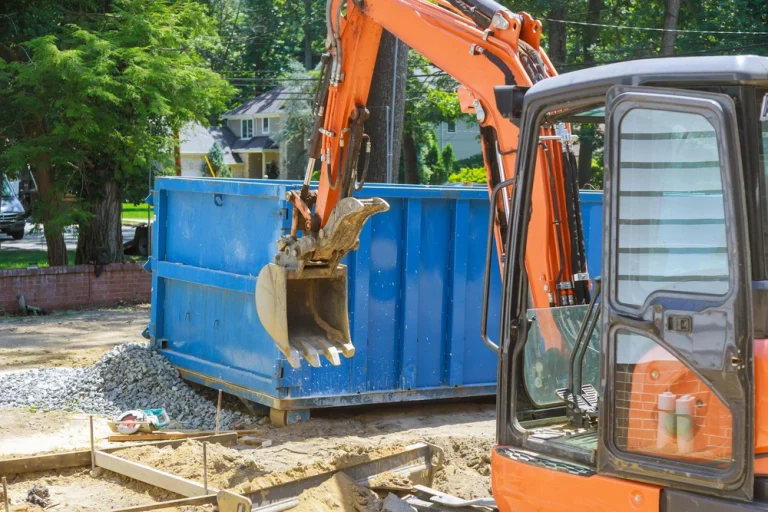
You will need several essential tools for successful asphalt removal. Heavy machinery like jackhammers or skid-steer loaders is typically required for large projects. A tampers is useful for compacting the edges and ensuring a stable base.For manual work, use asphalt rakes to level the material and asphalt saws to make precise cuts. Additionally, shovels and wheelbarrows are necessary for moving debris. Investing in high-quality tools can speed up the process and enhance the final outcome.Make sure to get a concrete dumpster rental, which can also be used for asphalt, so that you have a central spot for all the old materials.Protective Equipment for DIY Projects
Safety is paramount in asphalt removal. Always wear gloves to protect your hands from sharp edges and hot materials. High-visibility clothing ensures that you are easily seen, reducing the risk of accidents.Eye protection, such as safety glasses or goggles, shields your eyes from dust and debris. Respiratory protection is essential due to the dangers posed by asphalt fumes and dust. Use well-fitted masks or respirators to avoid inhaling harmful particles.Steel-toed boots provide foot safety when handling heavy materials. Overall, each piece of protective gear plays a significant role in maintaining safety throughout your project. Make sure to follow these safety precautions to safeguard yourself and your crew.Removing Stains and Spills from Asphalt
 Tackling driveway stains effectively requires specific methods tailored to whether the stain is fresh or old. Using common household items can make the removal process easier and more efficient.
Home Remedies for Fresh Stains
Address fresh oil stains promptly to prevent them from settling. Use absorbent materials like kitty litter or an absorbent cloth to soak up as much oil as possible.Once the excess oil is removed, apply baking soda over the remaining stain. Let it sit for about 30 minutes.Next, scrub with a hard bristle brush and hose it off with water. Alternatively, dish soap can be used. Mix it with warm water and scrub the area thoroughly, then rinse it away.Employing these methods ensures that fresh stains are managed swiftly before they turn into stubborn marks.Dealing with Stubborn and Old Stains
Old oil stains require a bit more effort. Start by cleaning the area with a solution of dish soap and water. Scrub the stain with a wire brush to break down the residue.For particularly tough stains, oven cleaner can be effective. Spray it directly on the stain and let it sit for 10-15 minutes before scrubbing and rinsing thoroughly.Using baking soda for old stains involves sprinkling a generous amount on the stain and adding a few drops of water to form a paste. Leave it for at least an hour, then scrub with a brush and rinse.These steps help to effectively remove even the most stubborn stains and spills from your asphalt driveway.Proper Disposal of Asphalt Material
Addressing the proper disposal of asphalt involves exploring various methods, including recycling and handling potentially contaminated asphalt. These approaches ensure that the material is disposed of responsibly while meeting environmental and safety standards.Recycling Old Asphalt
Recycling old asphalt reduces waste and conserves natural resources. Many recycling centers accept asphalt, allowing it to be reused in new paving projects. This process often involves crushing and screening the material to make it suitable for reuse.You might find asphalt recycling services through local government programs or private companies. These facilities typically accept asphalt for free or a nominal fee, depending on the quantity and condition. Recycled asphalt can be utilized for driveways, roads, and other construction projects, providing an eco-friendly solution.Another method involves renting a local roll-off dumpster to collect the asphalt, which is then hauled to a recycling center. This option is particularly useful for large quantities of material. Recycling options not only help reduce the environmental footprint but also offer potential cost savings.Handling Contaminated Asphalt
If the asphalt is contaminated with oils, chemicals, or other hazardous materials, you must handle it with care to comply with environmental regulations. Contaminated asphalt cannot be recycled in the same manner as clean asphalt and often requires special disposal procedures.First, assess the contamination level. Professional environmental services can test the asphalt to determine the type and extent of contamination. Based on the results, you may need to transport the asphalt to a specialized landfill equipped to handle hazardous waste.Ensure that the disposal process follows local regulations. This might involve coordinating with a licensed hazardous waste disposal company. Proper documentation and adherence to safety measures are crucial to prevent environmental harm and legal issues.Enhancing Driveway Appeal and Maintenance Tips
 Proper maintenance of your asphalt driveway not only enhances its appearance but also extends its lifespan. Utilizing preventive measures and employing long-term strategies can keep your driveway in top condition.