Key Takeaways
- Empathy and patience are crucial to support a hoarder in decluttering.
- A structured plan and practical steps, like renting a dumpster, are necessary.
- Ongoing support is needed to maintain a clutter-free space after cleaning up.

Understanding Hoarding
Hoarding is a complex disorder characterized by an individual’s difficulty in parting with possessions, regardless of their actual value. This persistent difficulty can lead to significant clutter, impairing your ability to use living or work spaces effectively.Recognizing Hoarding Behavior:- Excessive acquisition: You may find it challenging to resist collecting items, even if they are not needed or there is no space for them.
- Difficulty discarding: It can be hard for you to throw away, sell, or donate items, often due to a perceived need to save them.
- Clutter: Your home may become cluttered to the point where living spaces can no longer be used for their intended purpose.
- Fear of losing important items
- Sentimentality over possessions
- Anxiety about needing items in the future
Establishing Communication
Effective communication is the cornerstone of helping someone who is hoarding. Your ability to reach out in a non-confrontational manner and establish a rapport based on trust is essential for cooperative decluttering efforts.Approaching the Hoarder
When you first approach a hoarder, it’s crucial to be respectful and non-judgmental. Start by expressing your concern for their well-being rather than criticizing the state of their living environment. Frame the conversation around your desire to help and ensure they feel in control. Mention tools or resources, like encouraging the individual to seek treatment, that could aid in starting the decluttering journey.- Be Respectful: Use language that respects their belongings.
- Express Concern: Focus on the person, not the clutter.
Building Trust
Trust forms gradually. Show empathy towards the person’s attachment to their possessions and listen actively to understand their perspective. This process can make a person who hoards feel heard and validated, laying the groundwork for continued dialogue. Highlighting the benefits of decluttering, like improved safety, can help them see the positive outcomes of addressing the hoarding behavior.- Show Empathy: Validate their feelings and concerns.
- Listen Actively: Engage in meaningful conversation to build a foundation for trust.
Creating a Plan
To assist a hoarder in decluttering, it’s imperative to create a systematic approach. A well-thought-out plan ensures progress can be tracked and adjustments made as necessary.Setting Realistic Goals
Start by identifying specific, achievable objectives to keep the process manageable. Define what success looks like for each session—whether it’s clearing out a single drawer or deciding on a set number of items to part with. Remember, even small victories can make a significant impact over time.- Short-term goals: Clear one area or sort through a certain category of items.
- Long-term goals: Fully declutter a room, or achieve a noticeable reduction in the volume of possessions.
Prioritizing Decluttering Areas
Considering the emotional and psychological aspects of hoarding, begin with less sentimental areas to reduce initial resistance.Here’s a basic prioritization:- Safety First: Clear pathways and remove fire hazards.
- High-Usage Areas: Start with the kitchen or bathroom, as these have practical daily use.
- Personal Spaces: Bedrooms and living areas often hold more sentimental items and should be tackled later.
Decluttering Strategies
In tackling the clutter of a hoarding situation, it’s vital to have specific strategies in place that focus on sorting, organizing, and making decisions about which items to keep.Sorting and Categorizing
Start by identifying different categories for the items you have. This could be as simple as labeling them into ‘keep’, ‘donate’, ‘recycle’, or ‘discard’. Use clear bins or distinct areas in the room to separate these categories. The guide from The Tiny Life suggests that it can be particularly effective to first set aside items that are essential for daily use. This helps to immediately reduce the volume of items and clarifies what is truly necessary.Organizing Sessions
Organize your decluttering efforts into short, manageable sessions. AspenClean recommends starting with as little as five minutes at a time. This can prevent feeling overwhelmed and makes the process more manageable. Schedule these sessions regularly, and record your progress. By breaking the task into smaller parts, you maintain momentum and ensure a consistent approach.Decision-Making Techniques
Work on honing your decision-making skills with techniques that help you assess the value of an item. Ask yourself questions like, “Have I used this in the past year?” or “Does this item bring me joy?”. Reddit community members have pointed out that it’s helpful to seek social services or support groups that can guide you in making these tough decisions. This way, you can approach decluttering with a support system that understands the difficulties inherent in hoarding situations.Helping with Clean-Up
 When undertaking a decluttering process for a hoarder, clean-up is a critical phase that involves hands-on work and the right equipment to ensure a smooth and successful operation.
Physical Assistance
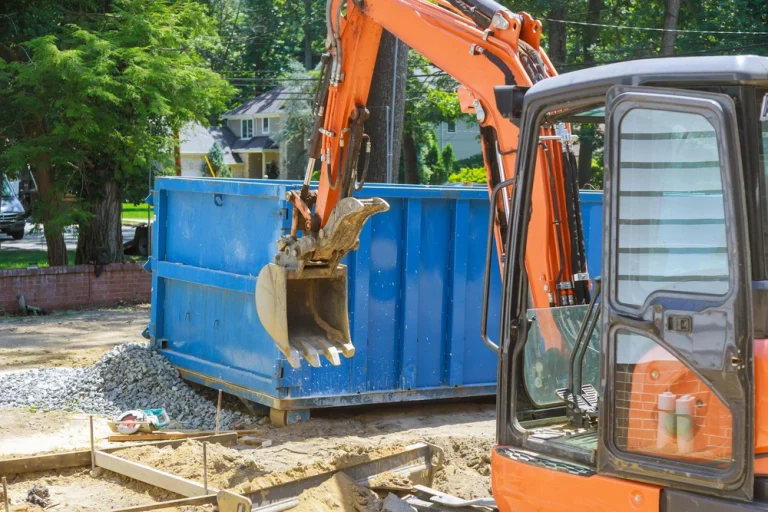
Your physical presence and effort are essential in assisting a hoarder with clean-up. Start by categorizing items into those to keep, donate, sell, or discard. To efficiently remove unwanted items, consider renting a small dumpster. A 10-yard dumpster rental is ideal for smaller clean-ups, while a 15-yard dumpster rental can handle larger quantities. This helps in methodically discarding items without overwhelming local trash services.Providing Supplies
For a successful decluttering, you need a variety of supplies:- Sturdy Gloves: To protect your hands during the clean-up.
- Heavy-Duty Trash Bags: To gather trash and smaller items for disposal.
- Cleaning Products: For sanitation purposes once the clutter is removed.
Maintenance Techniques
Once the initial decluttering is complete, maintaining the cleanliness and order is crucial for lasting change.Sustaining Progress
To sustain progress, it’s vital to set short and long-term goals. Establish a routine where you regularly review and possibly reduce possessions. Encourage the habit of assessing an item’s purpose and frequency of use before deciding to keep it. Regularly scheduled decluttering sessions can prevent the accumulation of new clutter.Implementing Organization Systems
When implementing organization systems, start by categorizing items based on their use and ensure everything has a designated place. Use labels and color-coding for easy identification. Introduce storage solutions such as shelving units, drawers, and bins to maintain order, and make it a habit to return items to their rightful spot immediately after use.Support and Encouragement
When helping a hoarder declutter, your emotional support and the celebration of milestones are crucial in providing motivation and affirming the positive steps taken.Offering Emotional Support
Understanding: Recognize that hoarding is a complex mental health issue, not a simple matter of disorganization or messiness. Approach your loved one with empathy, and listen to them without judgment.Patience: Be patient in your efforts to help. Change won’t happen overnight, and pushing too hard can cause resistance. Respect their feelings and possessions, and build trust that you have their best interests at heart.Celebrating Milestones
Acknowledgment: Issuing sincere compliments for even small steps can boost confidence. Set achievable goals together and recognize each accomplishment, such as clearing a pathway or sorting a pile of items.Rewards: Positive reinforcement strengthens motivation. Consider implementing a system where progress leads to non-material rewards, like a shared experience or activity to look forward to.Professional Assistance
When dealing with hoarding, reaching out for professional help can significantly improve the efficacy of the decluttering process. These experts are skilled in handling such sensitive situations with the necessary care and knowledge.When to Seek a Professional
You should consider seeking professional assistance if the hoarding situation is beyond what friends or family can handle, especially if it poses any health or safety risks. Look for help when you notice the person struggling with hoarding is unable to make progress on their own or if the clutter is impacting their daily life and mental well-being.Types of Professional Help
Professional help comes in various forms depending on the severity of the hoarding. Therapists specializing in hoarding can offer cognitive-behavioral therapy, while professional organizers provide physical sorting and decluttering assistance. For extensive cleanouts, particularly in severe cases, specialized cleaning services are available, which also handle biohazard removal if necessary. In some cases, it may be useful to involve support groups as part of the recovery journey.Health and Safety Concerns
When assisting a hoarder with decluttering, prioritizing health and safety is crucial due to the potential presence of biohazards and structural dangers.Identifying Risks
- Structural Integrity: Assess the stability of stacked items to prevent collapses that could lead to injury.
- Biohazards: Look for signs of mold, pests, and decay, especially in areas where organic material has been accumulating.
Addressing Hazards
- Immediate Removal: Promptly dispose of any hazardous materials, including chemicals, spoiled food, and biological waste, to avert health risks.
- Professional Cleaning: Consider enlisting specialized cleaning services for safe removal of dangerous substances.
Legal and Financial Considerations
When supporting someone with a hoarding disorder to declutter, it’s essential to consider the potential legal consequences and the financial aspects of the cleanup process.Understanding Legal Implications
The presence of hoarding can lead to various legal issues, the most common being violations of health and safety codes which could result in significant consequences, such as eviction. If the hoarding situation has led to legal intervention, you might need to understand the nature of such interventions, which can range from court-mandated cleanouts to more serious sanctions. It’s important to recognize the rights of individuals with hoarding disorder, such as the right to reasonable accommodation under the Fair Housing Act. To better understand the intricacies of these legal matters, consider referring to sources like the International OCD Foundation’s Hoarding Center.Managing Finances
Cleaning up a hoarding situation can be expensive, encompassing costs for professional cleaning services, waste removal, and possible repairs to the property. You’ll need to evaluate the most viable options to finance the cleanup. Options may include paying out of pocket, seeking assistance from charities, or looking for community programs designed to help. Additionally, it might be necessary to assess the value of items to be decluttered, as selling some could contribute to the cost of cleanup. For guidance on financing cleanup projects, resources like Address Our Mess can be consulted.Coping and Resilience
Developing coping strategies and resilience is key to both managing hoarding behaviors and providing support. These tools help mitigate stress and foster progress.For the Hoarder
- Recognize Triggers: Identify what prompts your urge to hoard, whether it’s emotional distress or a perceived need for the items.
- Build Decision-Making Skills: Practice making decisions about your possessions by starting small, such as sorting through a single drawer, to build your confidence.
For the Helper
- Understand the Disorder: Recognize that hoarding is a complex psychological condition, and that patience is essential in the decluttering process.
- Offer Ongoing Support: Reinforce the individual’s sense of agency with continuous encouragement and recognize their small victories.