Key Takeaways
- A well-planned countertop removal protects safety and prevents damage.
- Proper tools and understanding of the process ensure efficient countertop removal.
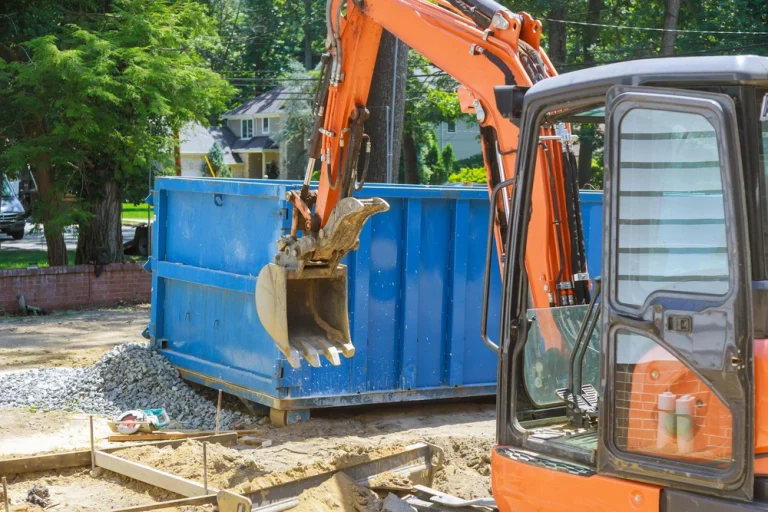
- Debris management, such as a residential dumpster rental, is crucial for a clean workspace.

Safety Precautions
Before you begin the process of removing your kitchen countertop, prioritizing safety can prevent accidents and injuries. The following guidelines will ensure you are prepared to handle tools and materials safely.Shutting Off Utilities
- Electricity: Ensure that all electrical power is turned off at the circuit breaker before removing a countertop, especially if you’ll be working near any electrical outlets.
- Water: Locate and turn off the water supply valves to prevent any leaks or water damage during the removal. Disassemble the sink and disconnect any water lines. For guidance, visit How to disconnect the sink from the countertop.
Using Protective Gear
- Eye Protection: Always wear safety glasses to shield your eyes from dust and debris.
- Hand Protection: Durable gloves are necessary to protect your hands from sharp edges and splinters.
- Breathing Safety: If you’re working in a dusty environment or with materials that may produce harmful particulates, consider wearing a dust mask.
Clearing the Workspace
- Maintain a Clear Area: Remove any kitchenware or objects that could obstruct your workspace or pose a tripping hazard.
- Children and Pets: Ensure they are kept away from the work area to prevent accidents. For more tips on safe handling, take a look at How to safely handle heavy equipment.
- Proper Lifting: If you’re dealing with heavy countertops like granite, enlist help to lift them safely. Avoid solo attempts as this can lead to injury.
Tools and Materials
Before starting your countertop removal project, ensure you have all the necessary tools and select quality materials that will suit your new countertop installation.Gathering Necessary Tools
Your success in removing a kitchen countertop hinges on having the right tools. Make sure to gather the following:- Power drill/driver: Crucial for removing screws that hold the countertop in place. Learn about countertop removal tools at HGTV.
- Razor knife and paint scraper: A razor knife will slice through sealants, while a paint scraper will pry up the countertop. Effective tools for countertop removal include these for manipulating adhesives.
- Hammer and pry bar: A hammer can help in loosening the countertop, and a pry bar lifts it off. Methods to detach your countertop can involve these tools.
- Stud finder and flashlight/headlamp: These tools will help you find the secure points and give you visibility in dim areas. Identify crucial steps for prep.
Selecting Replacement Materials
Choosing the right materials for your new countertop involves considering durability, aesthetic, and maintenance requirements. Here’s what you should keep in mind:- Material type: Options range from laminate, granite, quartz, to marble. Each has its own pros and cons in terms of durability, resistance to heat, and ease of cleaning. Explore countertop materials.
- Adhesive: The right kind of adhesive will provide a firm hold and depend on the type of material you select. Ensure compatibility to avoid future issues.
Removal Process
 Before you begin, understand that removing a kitchen countertop requires careful steps to protect your space and ensure a smooth process. You’ll be detaching your sink and appliances, loosening the countertop fasteners, and then lifting away the countertop.
Detaching Sink and Appliances
First, you must disconnect and remove the sink and any appliances that are attached to your countertop. This usually means turning off the water supply and possibly the gas supply if you have a gas stove. Next, undo the clips or brackets that hold your sink in place. Double-check for any caulk around the sink and carefully cut it with a utility knife. Any appliances, like a cooktop, should be removed following the manufacturer’s instructions.Loosening Countertop Fasteners
Your countertop is secured to the base cabinets with brackets or screws. Locate these by looking underneath the countertop. Remove the screws with a drill or screwdriver. For countertops bonded with adhesive, use a putty knife to gently pry and loosen the glue. Be cautious not to damage the base cabinets as you work.Lifting the Countertop
After all fasteners and adhesives have been removed, carefully lift the countertop from the base cabinets. Some countertops, specifically stone ones, are extremely heavy and might require multiple people or professional help for removal. Check for any areas where the countertop might still be adhered to the cabinets and gently pry loose. Remember to keep your back straight and lift with your legs to prevent injury.Cleanup and Preparation for New Countertop
Once your old countertop has been successfully removed, it’s important to focus on cleaning up the debris and preparing the area for your new countertop. This stage is crucial for ensuring that your new surface fits perfectly and looks great.Disposing of Old Materials
Disposing of your old kitchen countertop materials requires careful planning. Depending on the material, some parts of your countertop might be recyclable. You should:- Segregate materials like metal, wood, or stone.
- Contact local disposal companies about the proper disposal of non-recyclable materials.
- Consider offering reusable materials for repurposing or donation if they’re in good condition.
Preparing the Cabinets and Surface
Before installing your new countertop, ensuring that the cabinets and surface are ready is essential. Here’s what to focus on:- Check for any damage or uneven areas on the cabinet tops; these may need repair or leveling to guarantee a stable surface.
- Clean the top of the cabinets thoroughly to remove any dust or debris using a damp cloth.
- Verify that all cabinets are securely fastened and can support the weight of the new countertop.
- Use a level to check for uneven spots on the cabinetry that could affect the placement of the new countertop. Any discrepancies can usually be corrected with shims.
Installation Tips for New Countertop
 When installing your new countertop, preparation is key. Ensure that your old countertop has been properly removed. For guidance on removal techniques, the Easy Steps for Removing a Kitchen Countertop can be beneficial. Here are some tips to make your new countertop installation a success:
- Preparation:
- Clear the workspace and make sure the base cabinets are level and secure.
- Verify measurements for sinks, cooktops, and any other built-in appliances.
- Materials Needed:
- Find the right adhesive for the material of your countertop.
- Have all your tools on hand, such as drills, screws, and a level.
- During Installation:
- Take into account the recommended overhang, usually about an inch from the cabinet base.
- Check for level across the cabinets to avoid any future problems.
- Securing the Countertop:
- Apply adhesive as per the manufacturer’s instructions.
- Align the countertop precisely with the base cabinets.
- Use clamps to hold the countertop in place as the adhesive sets, if necessary.
- Finishing Touches:
- Seal any gaps between the wall and the countertop.
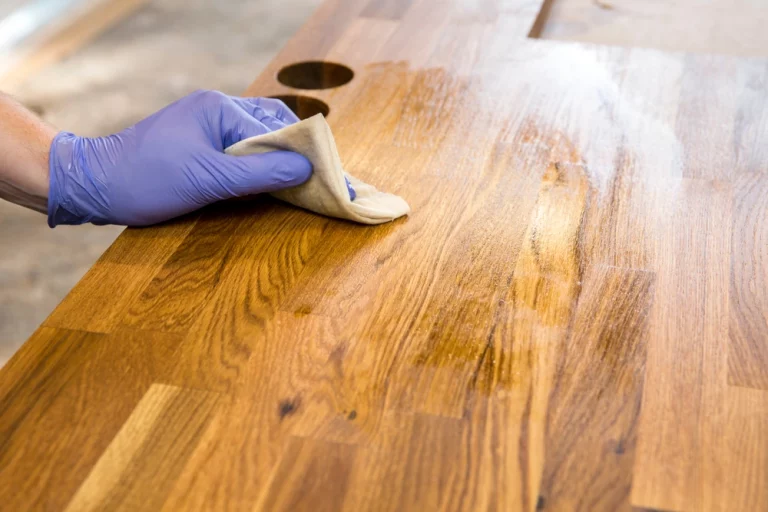
- If your countertop is stone or wood, apply a sealant to protect the material.