Key Takeaways
- Preparation and safety are critical for any kitchen demolition.
- Proper debris disposal is facilitated by local dumpster rentals.
- Assess your skills carefully before choosing DIY or professional help.

Planning Your Kitchen Demolition
When planning a kitchen demolition, it is vital to focus on the size and materials of your kitchen, estimate costs accurately, and consider a realistic schedule. A comprehensive approach will ensure a smooth and efficient demolition process.Assessing the Kitchen Size and Material
Begin by evaluating the dimensions of your kitchen to understand the scope of work involved. Measure the length, width, and height of the space. Larger kitchens may require more time and resources, impacting both cost and planning. Next, analyze the materials used in your kitchen. For example, granite countertops and hardwood floors can be more labor-intensive to remove than laminate or vinyl. Identifying these materials will help determine the appropriate tools and techniques needed for the demo. Understanding both size and material will guide your decisions on labor requirements and equipment, ultimately affecting the duration and cost of the project.Estimating Demolition Costs
The cost to demo a kitchen can vary significantly based on several factors. On average, kitchen demolition costs range from $300 to $3,000, depending on labor, disposal, and safety equipment. Break down costs by tasks, such as removing cabinets, appliances, and flooring. Consider unexpected expenses and allocate a budget for permits, if necessary. To keep within budget, compare quotes from professional contractors. Hiring experts may prevent long-term costs associated with improper removal or damage to structural elements. For more cost details, check out guidance from professionals.Scheduling and Timing Considerations
Timing is crucial when planning a kitchen demolition. Assess how long the demolition will take, typically ranging from a few days to a week, depending on complexity and size. Larger projects with high-end materials can extend this timeline. Coordinate with any contractors involved to ensure they are available and prepared to start the work. Consider your own schedule as well, ensuring that you have alternative food preparation arrangements during the demolition. You may want to complete the demo in stages to minimize downtime, especially if living in the space during the renovation. Proper scheduling minimizes disruptions and contributes to a successful kitchen remodeling experience.Preparing for Demolition
Before starting a kitchen demolition, it is crucial to prioritize safety, secure necessary permits, and plan for waste disposal. Proper preparation helps prevent accidents and ensures the process runs smoothly.Safety Measures
Safety should be your top priority. Start by wearing protective gear like safety goggles, a dust mask, and heavy-duty work gloves to shield against debris and dust. If electrical fixtures or plumbing are involved, ensure that these utilities are properly shut off to prevent accidents. It is helpful to have a first-aid kit on hand. Use appropriate tools that are in good condition, such as stable ladders and sturdy tools, avoiding makeshift solutions that could lead to injury. Following these safety precautions helps in creating a secure environment during the demolition.Securing Necessary Permits
Before demolition, check with local authorities about the permits required. This might include permission for structural changes or approval for waste disposal methods. Contact your city’s building department to understand specific regulations and requirements. Some renovations could also impact historical districts or protected zones, so confirming if any special permissions apply is crucial. Getting the correct permits not only ensures compliance with local laws but also avoids potential fines or project delays. Having everything in place beforehand means smoother progress throughout the demolition.Setting Up Waste Disposal Solutions
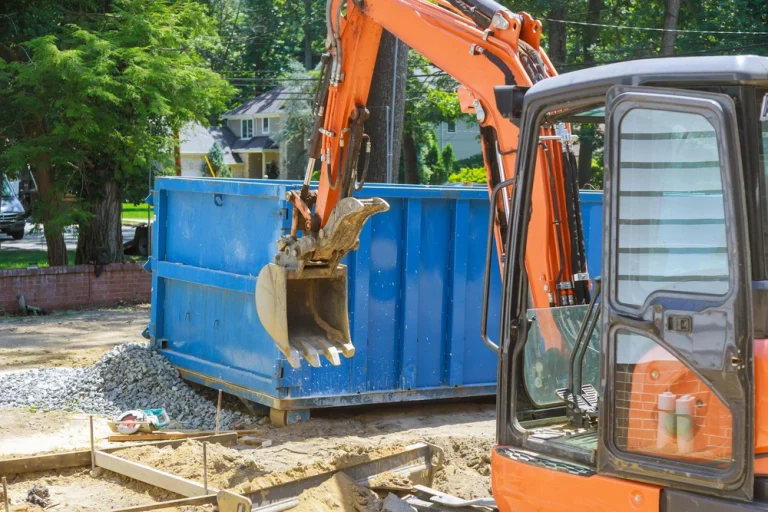
Effective waste disposal is essential when planning a kitchen demolition. Renting a dumpster is often the best option, allowing for immediate and safe disposal of debris. Selecting the right dumpster size is vital; an undersized unit can lead to inconvenience, whereas oversizing may increase costs unnecessarily. Consider additional disposal needs like construction trash bags for smaller debris and be aware of potential disposal fees if your waste requires special handling. Set up a scheduled pick-up for when the dumpster fills up, keeping the workspace clear and safe. Properly managed waste solutions contribute significantly to a seamless and efficient demolition process.Executing the Demolition Process
 Properly executing kitchen demolition involves organized steps including the careful removal of appliances and fixtures, dismantling cabinets and countertops, and attending to electrical and plumbing tasks. Flooring and drywall are typically the final tasks, ensuring a clean slate for renovation.
Removing Appliances and Fixtures
Begin by ensuring all appliances are disconnected from utilities safely. For example, turn off the gas supply before disconnecting a stove. Dishwashers and fridges might need water lines disconnected, so have towels on hand to manage any spills. Appliance removal can vary in complexity, but plan for one hour per major appliance. Fixtures such as sinks and lighting should also be carefully detached. Label screws and components as you go. Consider renting a dolly for heavy items to prevent injuries. Proper disposal or recycling should be planned, utilizing services that specialize in kitchen demolition waste.Countertop and Cabinetry Dismantling
Start with countertop removal by detaching any caulking or adhesive used for installation. Gently pry the countertops from base cabinets. While laminate and wood might lift easily, granite may require additional hands due to its weight. Remove base cabinets by unscrewing them from the wall and each other. Cabinet removal costs can be reduced by ensuring you do not damage cabinets during the process if you plan to reuse or sell them. Use a crowbar carefully to prevent splintering wood. List out components like doors and hinges to simplify reconstruction or disposal after the cabinet removal.Handling Electrical Work and Plumbing
Prioritize safety by cutting off electricity and water supply lines before starting. In older kitchens, circuits and plumbing parts might not comply with modern regulations, requiring upgrades. Remove electrical fixtures systematically, ensuring wires are capped and labeled to avoid confusion. Plumbing necessitates extra caution when disconnecting pipes and fittings, especially if you find outdated materials like lead or galvanized pipes. Use a basin wrench for tight spots and keep a bucket handy to catch water. Consult a professional if you encounter complex configurations or uncertain elements in plumbing or electrical work.Flooring and Drywall Removal
Flooring removal begins with assessing the material—whether it’s tile, laminate, or hardwood will dictate the tools needed. A floor demo might involve pry bars, floor scrapers, and protective goggles to avoid injuries from sharp fragments. Dispose of materials according to local regulations, particularly with hazardous waste like asbestos. Drywall removal is typically simpler, involving cutting small sections initially to locate any hidden wiring or piping. Use a utility knife, taking care to avoid insulation damage. Maintain structural integrity by removing only what is necessary and reinforcing remaining areas if needed before ongoing construction.Post-Demolition Cleanup
Effective post-demolition cleanup is crucial to maintain a safe and organized space. You will involve removing all debris and conducting a thorough final cleaning and inspection to prepare for renovation. Ensuring the area is clear and sanitized sets a solid foundation for the next stage of your home remodel.Debris Removal Strategies
Start by sorting debris into different categories such as recyclables, including metals, wood, and plastics, and general waste. Using heavy-duty trash bags can help in handling smaller debris efficiently. For larger pieces, employ a dolly or any other appropriate transporting tool. Consider utility-specific disposal strategies, such as separate containers or trash cans for varied materials, to streamline the process. Hiring a debris removal service can be a convenient option if the volume of waste is significant. They possess the expertise and equipment to handle large amounts efficiently. If you prefer a DIY approach, renting a dumpster might be useful. It allows you to dispose of materials at your own pace, ensuring a smooth transition to the renovation phase.Final Cleaning and Inspection
Once debris removal is complete, focus on cleaning every surface within the kitchen area thoroughly. This includes dusting and wiping down walls, floors, and any remaining fixtures to eliminate residual particles and dust. Implement vacuum cleaners or specialized tools to remove fine dust that may have settled in hard-to-reach areas. A detailed inspection should follow the cleaning process to ensure no remnants of construction debris are left that might hinder the remodeling process. This evaluation might involve checking for any unnoticed damage or issues resulting from the demolition. Addressing these issues promptly ensures that the space is safe for contractors and lays a clean foundation for continued renovations.Considerations for DIY vs. Professional Demolition
 When deciding between DIY kitchen demolition and hiring professionals, consider both cost and expertise, as well as the complexity of the tasks involved. Your choice will impact the overall success of your kitchen renovation project.