Key Takeaways
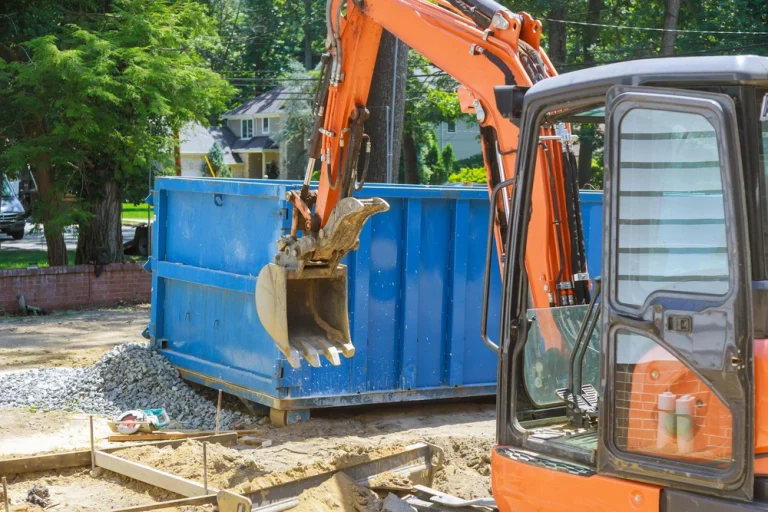
- Land clearing prepares land for development, and it’s essential to manage waste using a dumpster rental.
- Understanding environmental impacts is crucial for responsible land clearing.
- Weighing DIY versus professional land clearing services depends on technical skill and project scale.

Concepts of Land Clearing
In this section, you’ll gain a comprehensive understanding of what clearing land entails and its historical significance. You will explore its definition and the broad range of activities it encompasses, as well as how these practices developed over time.Definition and Scope
Clearing land is the process of removing obstacles such as trees, bushes, stones, and debris from an area of land. Typically, this is done to make the land suitable for agricultural, urban development, or other specific uses. The scope of clearing land can vary greatly, from small-scale manual removal of vegetation to large-scale mechanical methods.Historical Background
Historically, clearing land has been a fundamental aspect of human settlement and agricultural expansion. It began with simple tools for small patches of land and evolved into large-scale operations. Your understanding of the historical background of land clearing will help you appreciate its current methods and implications.Environmental Impact of Land Clearing
When you consider the environmental impact of clearing land three primary areas stand out as significantly affected: the soil, various species that rely on the land, and the broader climate.Soil Erosion
Soil erosion becomes exceedingly prevalent after clearing land. When you remove vegetation, the binding roots that hold soil in place are gone, making the soil more susceptible to being washed or blown away. This leads to decreased soil fertility, jeopardizing future plant growth and leading to increased sediment in nearby waterways, as described by Sciencing.Biodiversity Loss
Habitat destruction is a direct consequence of land clearing, and you can directly correlate this to biodiversity loss. Endangered species and local wildlife populations suffer when forests and landscapes are demolished, leading to potential mass displacements and extinctions. For a detailed illustration of these impacts, refer to Bush Heritage Australia.Climate Change Contributions
By clearing land, you are also contributing to climate change. Forests act as carbon sinks, capturing CO2 from the atmosphere. When trees are removed, not only is this carbon storage capacity lost, but the stored carbon is also released into the atmosphere as CO2, intensifying the greenhouse effect. Details on how cleared land effects climate change can be found on the Doctors for the Environment Australia website.DIY Land Clearing vs. Hiring a Contractor
 When deciding between embarking on DIY land clearing and hiring a contractor, you need to consider equipment rental, labor, safety, and waste disposal to gauge which option aligns with your capabilities and goals.
Cutting Down Trees
In DIY land clearing, cutting down trees requires you to have the right safety equipment and knowledge of tree felling techniques. If you’re not experienced, this can be dangerous. Conversely, contractors bring expertise and appropriate tools, ensuring trees are cut down safely and efficiently.Clearing the Brush
Clearing the brush by yourself involves a significant time commitment. You’ll need to rent equipment like brush cutters. Clearing dense vegetation can be physically demanding, while contractors complete this task routinely, often with teams that can clear large areas swiftly.Leveling the Land
DIY leveling the land can be challenging, as it often necessitates heavy machinery such as a bulldozer or a skid-steer loader. Contractors have access to this machinery and the skilled operators necessary to efficiently prepare the land for your intended purposes.Tossing Out Yard Waste
After clearing the land, you’ll be left with a substantial amount of yard waste. A yard waste dumpster rental or roll off rental service will be necessary to handle the debris. DIY land clearing means you will coordinate the rental and ensure all waste is disposed of properly, which could also include multiple trips to a waste management facility. A contractor would typically handle all aspects of waste removal for you, leaving you free from the hassle of debris management.Land Clearing Techniques
Clearing land involves various techniques tailored to your project’s size, type, and environmental impact. Understanding each method’s specifics ensures you choose the most effective and sustainable approach.Manual Clearing Methods
Manual clearing is labor-intensive and typically used for smaller areas or when preserving the natural environment is a priority. You might employ tools such as chainsaws, axes, and mattocks to selectively remove vegetation, stumps, and rocks by hand in a process known as hand felling and removal.Mechanical Clearing Methods
When dealing with larger tracts of land, mechanical clearing methods are often employed. This can range from bulldozing for rapid clearing to cut and grind, where trees are cut and ground into mulch on the spot. Equipment such as excavators and backhoes can be used to uproot and remove large obstacles efficiently.Chemical Clearing Methods
For areas overrun with dense vegetation or invasive species, chemical clearing methods may be applied. This involves the careful application of herbicides to kill unwanted plants without harming the desired vegetation. Proper use ensures minimal environmental impact and prepares the land for replanting or construction.Legislation and Regulations
Clearing land activities are governed by a variety of laws that directly influence how you manage vegetation removal. Compliance with these laws is crucial to protect the environment and adhere to legal standards.Local Laws
Local laws can significantly influence your clearing land projects, often dictating when, where, and how much vegetation can be removed. For instance, in Rhode Island, permit restrictions exist on cutting and vegetation clearing. These restrictions also include maintaining vegetated buffers surrounding watercourses. By reviewing the regulations provided by Rhode Island Woods, you’ll find specific requirements that must be followed, like the avoidance of watercourse alterations and proper drainage maintenance.In Smithfield, RI, the Town Council underscores the importance of vegetative cover and its role in preventing the degradation of visual quality and environmental health. Significant clearing of vegetation is regulated to mitigate the negative impacts on the ecosystem, as detailed in the town’s legislative documentation accessible from the Town of Smithfield’s code.International Treaties
International treaties can also play a role in your approach to clearing land, especially if your operations have transboundary impacts or if they fall within a country’s commitments to global environmental agreements. Treaties such as the United Nations Framework Convention on Climate Change (UNFCCC) acknowledge the importance of forests in carbon sequestration and encourage reforestation and afforestation.Your land clearing practices must align with international conservation commitments, such as those aiming at combating desertification and deforestation. This includes the provisions of agreements like the Kyoto Protocol and the Paris Agreement, both fostering sustainable land use to reduce greenhouse gas emissions. Compliance with these treaties not only supports global environmental efforts but also ensures the legality of your actions on an international stage.Socioeconomic Aspects of Land Clearing
Your understanding of the socioeconomic aspects of clearing land is crucial to grasp how this practice can significantly alter local economies and communities.Agricultural Development
In many regions, you may find that the drive for increased agricultural output prompts clearing land. Intensified agriculture often aims to meet the growing demand for food. However, it can result in reduced farm net income per hectare when not managed sustainably. Agriculturally motivated land clearing can also lead to a paradox where rapid expansion could harm the long-term viability of the land to support future crops. For insights into these dynamics, you can read about the socioeconomic determinants related to agricultural land clearing here.Urban Expansion
As cities expand, urban sprawl consumes surrounding natural and agricultural lands. This process displaces local farming communities and can disrupt traditional land uses. The socioeconomic impact includes loss of farmland and potential challenges to local food security. Moreover, when urban expansion surpasses a critical point, supporting agricultural sectors may dwindle or, in extreme cases, collapse. The economic, social, and environmental impacts of land use changes due to urban expansion are further elaborated here.Infrastructure Projects
Infrastructure projects, such as roads, dams, and power plants, often necessitate extensive land clearing. While such development can bring economic growth and improve access to services, it can also lead to displacement of communities and changes in local economies. The balance between development and its socioeconomic repercussions is complex. Important factors associated with deforestation due to infrastructure projects are discussed in the context of biophysical and socioeconomic factors here.Sustainable Alternatives and Solutions
 When considering land clearing, you have several sustainable practices to choose from that can help conserve biodiversity and prevent soil erosion.
Agroforestry
Agroforestry combines agriculture and forestry to create integrated and sustainable land-use systems. By integrating trees and shrubs with crops and/or livestock, you not only increase biodiversity but also enhance soil structure and fertility. This practice can be particularly beneficial for preventing soil erosion and improving water quality.Reforestation
After clearing land, reforestation involves replanting trees on land that has been stripped. This not only restores habitats for wildlife but also contributes to carbon sequestration, which is vital for combatting climate change. You can engage in reforestation by planting native species that are more likely to thrive and support local ecosystems.Eco-Conscious Planning
In your land-clearing projects, employing eco-conscious planning involves strategies that minimize environmental impact. This includes:- Selective Clearing: Only removing trees that are absolutely necessary.
- Mulching: Using the cleared vegetation as mulch to protect soil and provide nutrients.
- Retaining Natural Features: Keeping streams, wetlands, and other ecologically significant areas intact.